Aquaponics: Growing Veggies With Your Fish Tank
Written by Diamond Dave — September 24, 2026
A practical look at making a closed-loop ecosystem for your small home setup.
The newsletter for freshwater hobbyists who want to feed their plants and keep waste out of the water without spending a fortune on complex filtration.
What in the world is aquaponics? (And why should I care?)
If you’ve ever looked at your aquarium and wondered how much work goes into keeping those water parameters stable, you’re already halfway to understanding aquaponics. In a standard tank, we use mechanical and chemical filters to scrub out fish waste so the fish don’t get sick from their own ammonia. In an aquaponic system, we swap some of that heavy lifting over to plants.
The idea is a natural loop: your fish produce waste (ammonia), which beneficial bacteria turn into nitrates. These nitrates are essentially plant food. The plants soak up those nutrients to grow bigger and healthier, and in the process, they “clean” the water before it cycles back into the fish tank. It’s a win-win for someone with limited space or who wants to grow some herbs without constantly dosing fertilizers. You aren’t just keeping fish; you’re managing a tiny piece of a real ecosystem.
The basic plumbing breakdown you actually need to know.
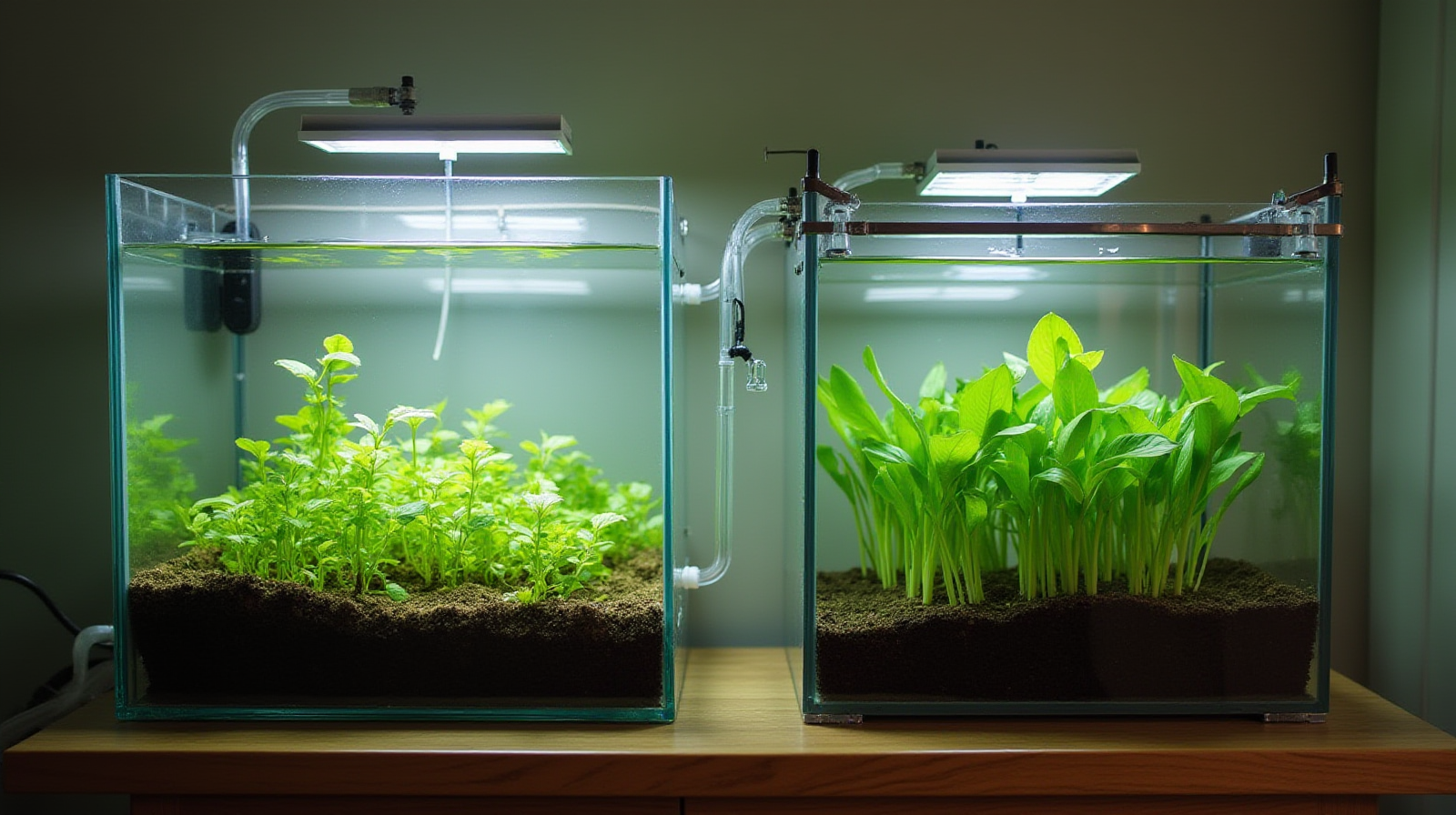
You don’t need a massive industrial setup to start small, but you do need the basics to make the loop work. For a home setup, think of it as three main components: the fish tank (where your livestock lives), the grow bed (where the plants sit in a medium like expanded clay or gravel), and the pump.
The pump is the heart of the operation; its job is to move water from the bottom of the fish tank up into the grow beds. From there, gravity usually takes over, letting the water trickle back down into the fish tank. You don’t need a complex array of valves to start. Just keep it simple:
- The Pump: A standard submersible pump rated for your total volume.
- Grow Bed: A container where plants can take root and filter waste.
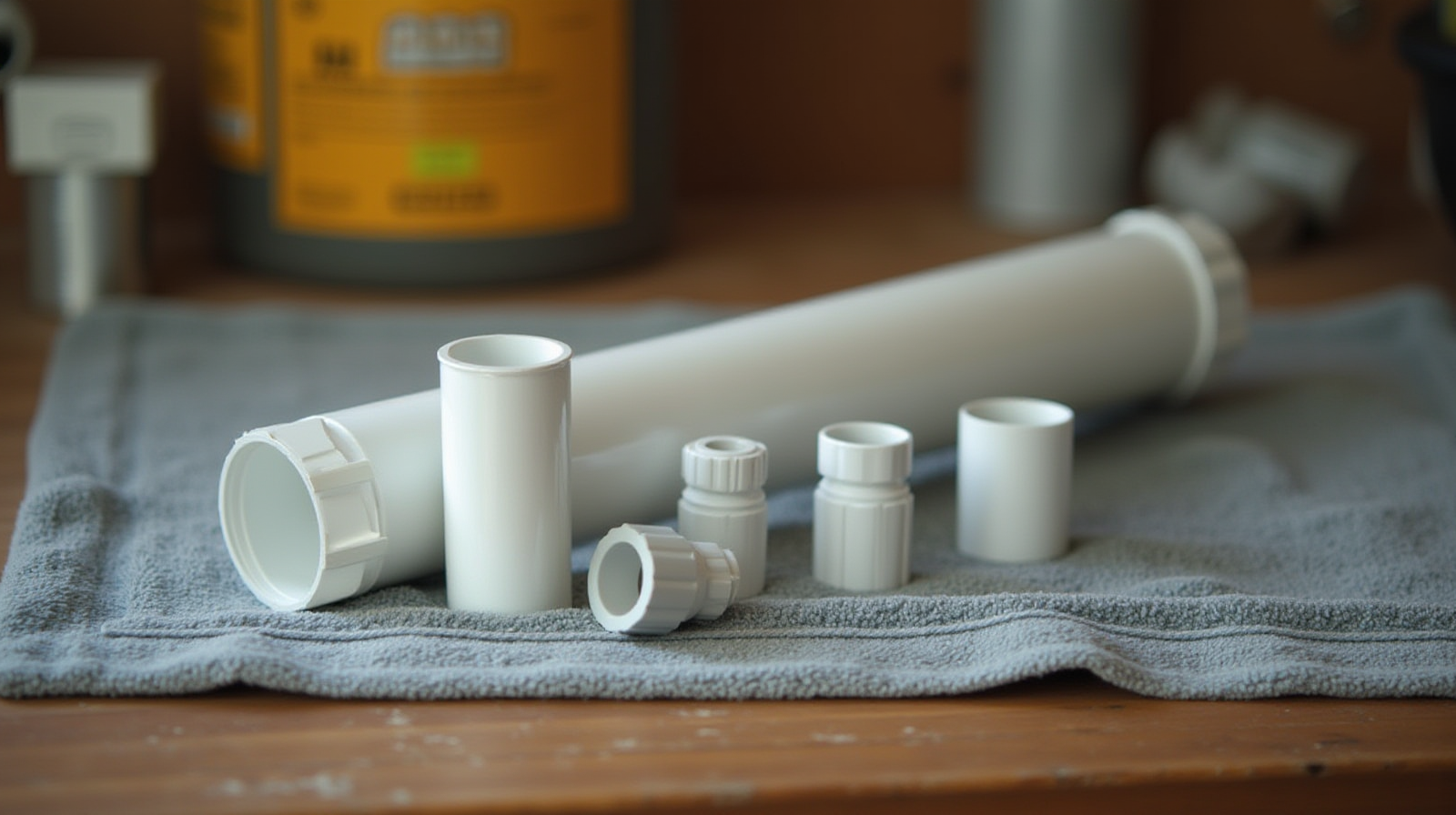
- Piping: Simple PVC or vinyl tubing to connect the two.
Keep the plumbing straightforward. If you have to spend three hours a week just fixing leaks in a complex maze of pipes, it’s not a hobby; it’s a chore.
Getting started: The nitrogen cycle part. Don’t skip this step.
The biggest mistake I see people make when they jump into aquaponics is thinking the plants are what “clean” the water instantly. They aren’t. The bacteria are doing that work. If you add fish to a brand-new system and expect the plants to handle the waste immediately, your fish will likely suffer from ammonia spikes while those bacterial colonies are still trying to find their footing.
Before you put a single fish in the tank or even plant a sprout, you have to “cycle” the system. This means letting the water run through the grow beds with just the pump running for several weeks. You want to establish a robust colony of nitrifying bacteria first. Only once your ammonia and nitrite levels are consistently at zero should you begin adding fish. It takes patience, but skipping this step is the fastest way to lose your livestock before the system even gets off the ground.
Setting up for success in a small space (5 to 125 gallons).
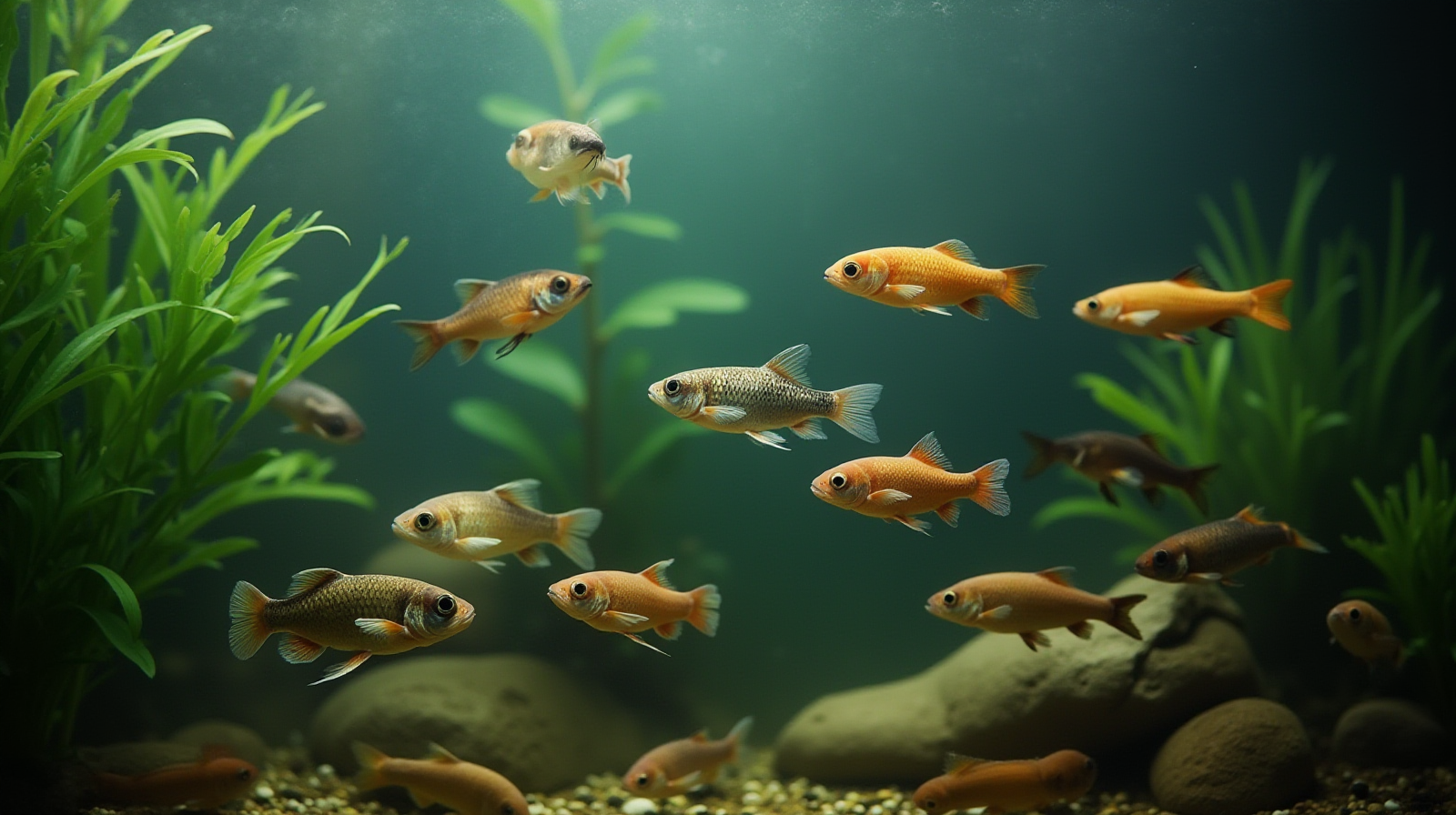
When you’re working with a smaller footprint, like a 20-gallon or 55-gallon setup, balance is everything. You have to be careful not to overstock your fish just because you have “extra” room in the tank. The size of your grow bed should dictate how many fish you can support. A common rule of thumb I follow with my own setups is a roughly 1:1 ratio of volume—if you have 40 gallons of water, try to have about 20-30 gallons of “grow space” to ensure the plants can keep up with the waste production.
For beginners, start small and conservative.
- Small Tanks (under 30g): Focus on hardy fish like goldfish or molly’s and easy herbs like basil.
- Medium/Large Tanks (40-125g): You can move toward more ornamental fish and larger leafy greens or even some fruiting plants.
Start with a small “fish load” to see how your specific plumbing handles the flow before trying to max out the capacity of the system on day one.
Troubleshooting common hiccups: algae, low water flow, etc.
Even in a well-planned system, things can go sideways. One of the most common issues is an algae bloom. This usually happens because you have too much light hitting the water surface or your grow beds are staying too wet for too long. If you see green film appearing, look at your lighting timers and your flow rate.
Another common headache is “dead zones” in the grow bed where water isn’t circulating properly. If parts of your media stay stagnant, it can lead to anaerobic pockets that smell like rotten eggs. To fix this without buying expensive high-pressure pumps, you can often just adjust the angle of your plumbing or add a simple air stone near the intake. Most problems in an aquaponic setup are caused by physics—water not moving where it needs to go or staying somewhere it shouldn’t. Address the flow first, and usually, the other issues will settle down on their own.
Keeping the ecosystem balanced (The long-term view).
Once your system is running, the goal shifts from “building” to “monitoring.” An aquaponic system isn’t a static thing; it changes as the plants grow larger and the fish get bigger. You’ll need to keep an eye on two main things: water levels and nutrient balance. Because you are constantly losing water through evaporation (and some through the transpiration of your plants), you’ll need to top off the system periodically with dechlorinated water.
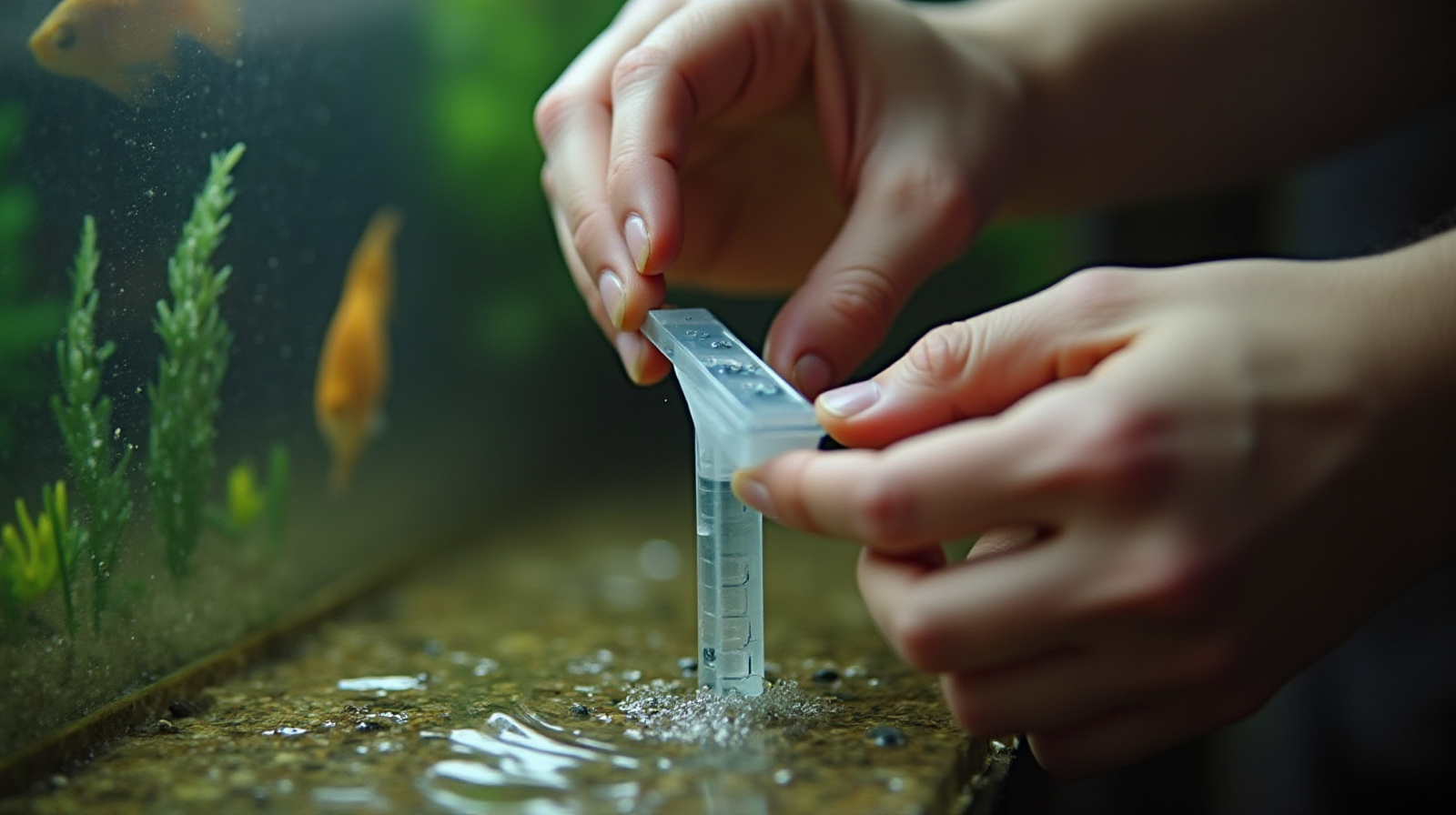
Don’t just add water blindly; check your pH and ammonia levels once a week to make sure they stay within stable ranges. As your plants get bigger, they might start “starving” for specific nutrients like iron, while the fish might produce more waste than you expected. It’s all about finding that sweet spot where the fish are happy, the water is clear, and the greens are thriving. Every home setup will have its own quirks based on your local water source and the types of plants you choose, so take it one adjustment at a time rather than trying to fix everything at once.
Source: AquaticRig
Get new newsletter issues, guides, and product updates by email.