Are Your Fish Gasping? What to Check First.
Written by Diamond Dave — September 30, 2026
A checklist for when things suddenly look wrong with your water life.
The newsletter for anxious aquarium owners who need a clear emergency flowchart instead of vague advice.
First things first: Don’t panic and don’t overreact.
When you look into your tank and see a fish hanging out at the surface, gasping for air, it’s easy to feel like everything is falling apart. Your heart rate goes up, and your instinct might be to start dumping chemicals in or changing 50% of the water right that second. I’ve been there, and it’s a hard habit to break. However, panicking usually leads to mistakes—like adding too much of something because you think it needs to happen fast.
Before you do anything drastic, take a breath. Most issues in an aquarium can be diagnosed by observing the tank as a whole rather than just reacting to one fish’s behavior. Sudden changes are often worse for fish than the original problem. Unless there is a visible fire or a massive chemical spill, give yourself a moment to observe and gather information before you start moving things around. We want to solve the root cause of why they are struggling at the surface, not just mask the symptom with a quick fix that might backfire.
Is it ‘gasping,’ or something else? Quick checks for natural behavior vs. trouble.
Not every fish at the surface is in distress. Some species, like certain types of goldfish or large koi, naturally have large gills and will come to the top occasionally just to gulp a bit of air. It’s not an emergency; it’s just how they operate. You need to distinguish between “casual” behavior and “distress” behavior.
Look for these specific signs:
- Frequency: Is one fish hanging out there once every few minutes, or are they staying there constantly? Constant presence is a red flag.
- Grouping: Is it just one fish acting up, or is the whole school moving toward the surface together? If everyone is doing it at once, you have an environmental issue with the water.
- Body Language: Is the fish swimming erratically or flopping? A fish that looks “lazy” but stays in one spot might just be resting near a high-flow area. A fish that is frantically trying to get oxygen is a different story entirely.
If only one fish is acting up and it’s otherwise active, it might have an internal issue. If the whole tank seems to be struggling, look at your water chemistry first.
The environmental suspects: Low oxygen, bad chemistry, or toxins?
When multiple fish are gasping at the surface together, it almost always points to a problem with the environment rather than a disease hitting individual fish. Usually, this boils down to three main culprits. First is dissolved oxygen levels—if the water can’t hold enough oxygen, they have to go to the surface where it’s easier to gulp air. This often happens in warmer water or in tanks with poor circulation.
Second is ammonia or nitrite spikes. These are waste products that can burn a fish’s gills, making it hard for them to breathe even if there is plenty of oxygen available. Third is a sudden spike in nitrates or other toxins from something new added to the tank—like a new batch of heavy mulch or an overfeeding incident. Each of these has a different fix, but identifying which one is happening determines how you handle the situation. You have to figure out if they can’t breathe because the air isn’t there, or if they can’t breathe because their gills are irritated by bad chemistry.
Your Emergency Checklist: What to test and what to check immediately.
If you see multiple fish struggling at the surface right now, follow this progression of checks. Start with the things that don’t require chemicals first, as these provide immediate physical relief.
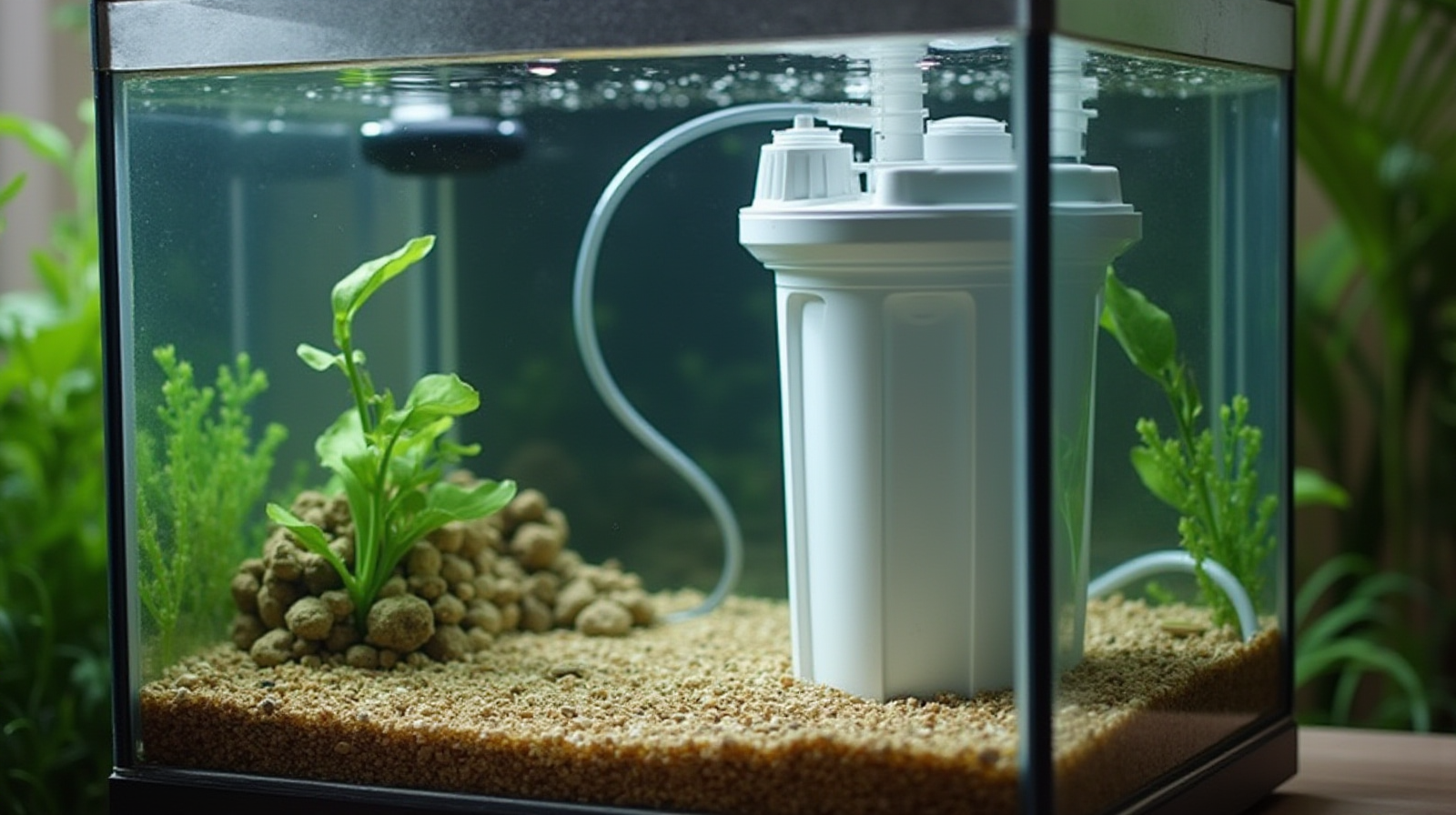
- Increase Aeration: Turn on every air stone or bubbler you have. If you have a powerhead, aim it toward the surface to create more surface agitation. This breaks up the surface tension and allows gas exchange.
- Check Temperature: Is the water significantly warmer than usual? Warm water holds less oxygen. Use your thermometer to see if you’re in a dangerous range for your specific species.
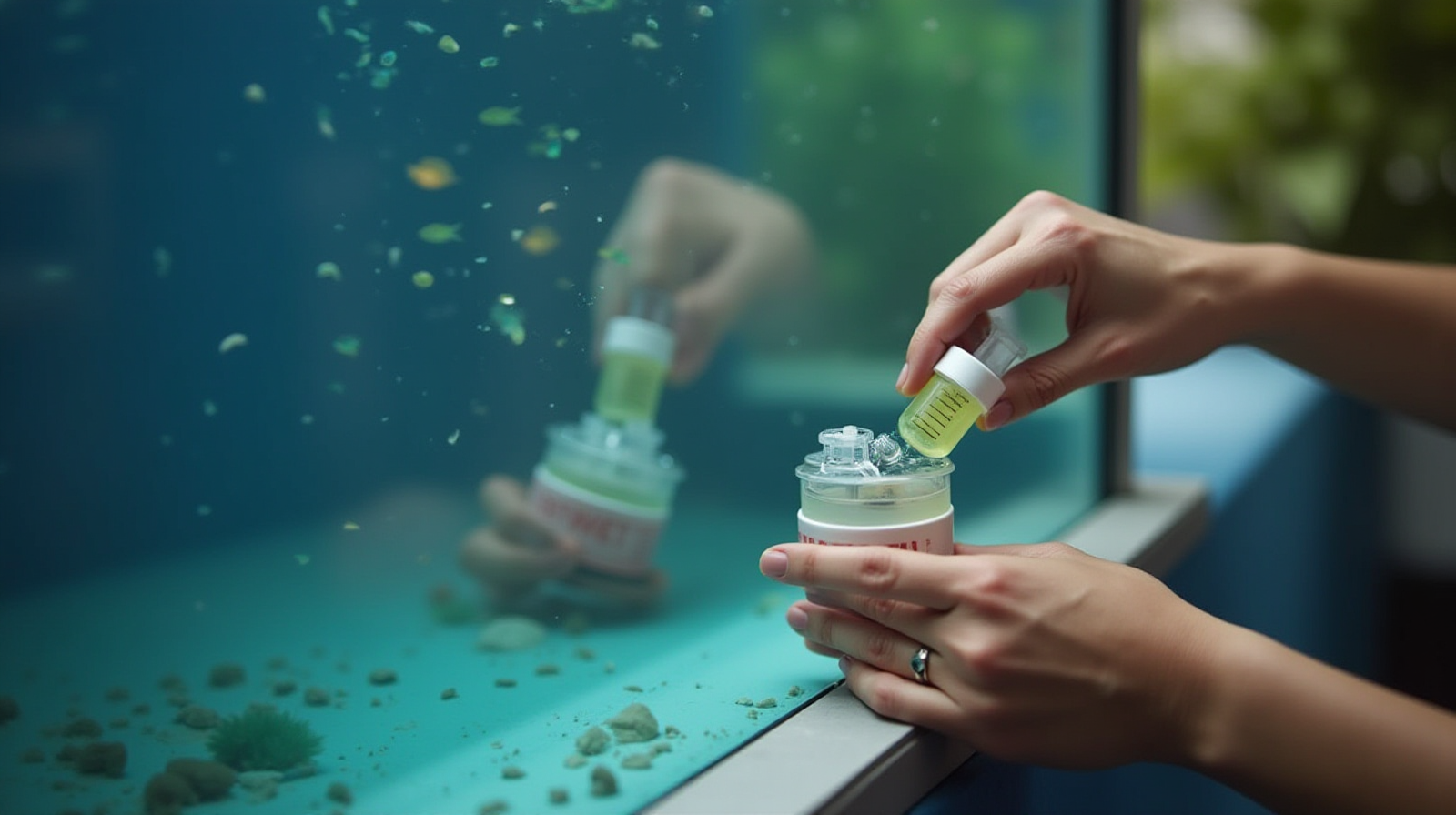
- Test Your Water: Grab your test kit. You are looking specifically for Ammonia and Nitrite. These should both be at zero. If they aren’t, you have a chemical spike that needs addressing via a water change.
| Potential Issue | Observation | Immediate Action |
|---|---|---|
| Low Oxygen | Multiple fish gasping; high temperature. | Increase surface agitation/bubbles. |
| Ammonia Spike | Sudden behavior change after cleaning or feeding. | Perform a 25-30% water change with treated water. |
| Nitrite Spike | Fish appearing “washed out” or listless at surface. | Perform a water change and check filter health. |
When in doubt, keep it simple. A few basics that fix most problems.
The best way to handle these emergencies is to prevent them from happening in the first place. Most of my advice over the years comes down to consistency rather than complex chemistry “hacks.” If you maintain a steady routine, your fish won’t have to deal with sudden spikes that cause gasping episodes.
Keep your filtration running 24/7 and don’t skip your weekly or bi-weekly water changes. Even if the test results look okay, regular water changes remove nitrates and keep things stable. Also, be careful with what you add to the tank; big changes in “hardscape” or heavy amounts of new food can throw off the balance. If you find yourself constantly dealing with gasping fish because your oxygen levels are low, it might be time to look at a more robust air pump or a different way to move water across the surface. Keeping things simple and stable is almost always better for the fish than trying to “fix” a crisis after it starts.
If you want to dive deeper into how to set up your filtration correctly to avoid these issues, check out our guide library in the shop.
Source: AquaticRig
Get new newsletter issues, guides, and product updates by email.