
Bacterial vs. Fungus: What's Actually Sick in Your Tank?
Written by Diamond Dave — October 1, 2026
A plainspoken guide to spotting the difference and knowing what medicine—if any—to use.
The newsletter for beginner freshwater keepers who want fewer panic calls about mysterious white spots.
First thing: Don’t panic and don’t overreact.
I know that feeling when you spot a white fuzzy patch on a fish or see them gasping at the surface. It’s easy to want to grab every bottle of “all-in-one” medicine off the shelf and dump it into the tank immediately. My advice is to take a breath first. Overreacting often does more harm than good; dumping heavy chemicals into a system without knowing what you’re fighting can crash your beneficial bacteria, which ends up stressing the fish even more.
Before you reach for the medicine cabinet, look at the whole picture. Is one fish acting odd, or is the entire school? Are they hiding in corners, or are they just being a bit slow today? Most of the time, an issue can be managed by stabilizing your water parameters and improving oxygen levels before jumping to heavy-duty treatments. Take ten minutes to observe their behavior from behind the glass before you make any big moves. A calm approach gives you the clarity to treat the actual problem rather than just reacting to a scary sight.
Fungus vs. Bacteria—How it looks in your own tank?
One of the most common mistakes I see is treating a harmless fungal growth with heavy antibiotics, or letting a bacterial infection like Columnaris run its course because “it’s probably just fungus.” You have to be able to tell the difference by looking closely at the texture and location.
Fungus usually looks like fuzzy cotton, white tufts, or small “blooms” that sit on top of the scales or fins. It often appears in patches and doesn’t always move quickly. Bacterial infections, specifically Columnaris, look different. They tend to look more like “sloughing” tissue—it might look like a white or grayish film, but it’s often concentrated around the edges of fins or the base of the gills. If you see an area where the fin looks like it’s rotting away or has ragged, melting edges, that is usually bacteria.
| Feature | Likely Fungus | Likely Bacteria (Columnaris) |
|---|---|---|
| Texture | Fuzzy, cotton-like, “hairy” | Slimy, filmy, or like a white/grayish crust |
| Location | Random patches on body/fins | Edges of fins, base of gills, open wounds |
| Progression | Slow growth over days/weeks | Rapid progression; can spread in hours |
| Appearance | Distinct “blooms” or tufts | Looks like the tissue is melting or rotting |
When you suspect trouble: The immediate quarantine protocol.
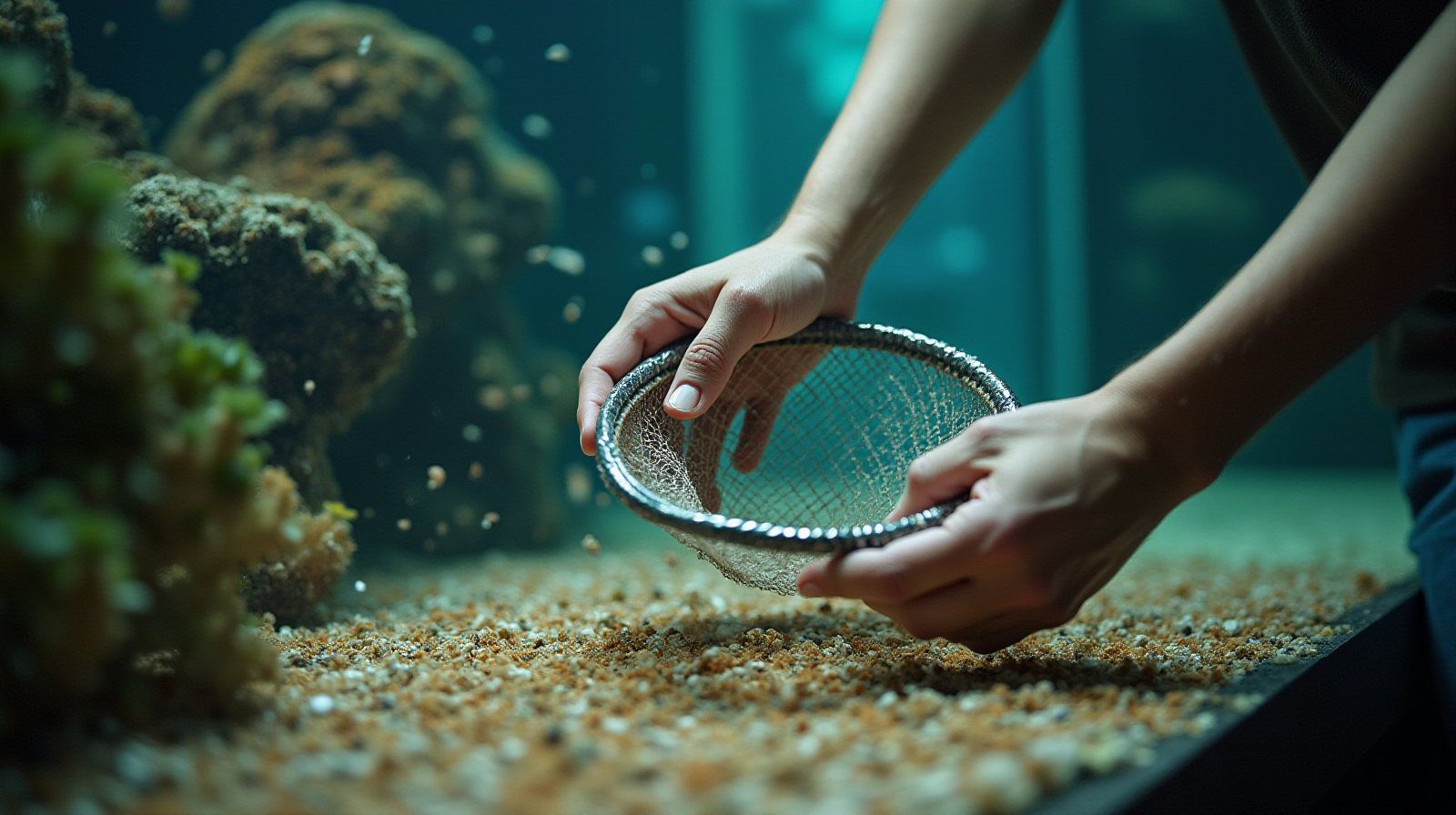
If you see a fish that looks genuinely sick—whether it’s struggling to breathe, showing signs of rot, or looking lethargic—the first step isn’t medicine; it’s isolation. You want to get that fish out of your main display as soon as possible. This isn’t just about keeping the other fish safe from a potential infection; it’s about making it easier for you to manage the treatment without stressing the rest of your tank.
Move the fish to a dedicated hospital tank or a large, clean bucket with an aerator. Once they are isolated, do some honest testing. Check your ammonia and nitrite levels in both the main tank and the quarantine area. If your main tank has high nitrates or spikes in ammonia, you’ve found part of the “why.” Having a separate space allows you to treat the fish more aggressively with chemicals if needed, without worrying about those medications killing off your beneficial bacteria in the primary display.
Treating the actual problem (Bacterial vs. Fungal): What medicine works?
Once you’ve identified what you’re dealing with, you can choose the right tool for the job. If it is a fungal infection, products containing malachite green or specialized anti-fungal agents are typically used. These work on the surface of the fish. However, if you have confirmed a bacterial infection like Columnaris, you need an antibacterial treatment.
The biggest mistake I see people make is mixing multiple different “all-in-one” treatments at once. This can create chemical reactions that do nothing for the fish but wreak havoc on your water quality. Stick to one clear path: if it’s a fungus, treat for fungus; if it’s a bacterial infection (the melting fins and rapid spread), use an antibacterial medication. Always read the instructions carefully regarding dosage based on your specific tank volume. If you aren’t sure which one it is, start with the most likely culprit but keep your water quality as stable as possible while they recover.
The best ‘or treatment’ is always preventing it from happening.
I’d much rather talk about how to keep fish healthy than how to treat them once they get sick. Most of the issues we see in home tanks, especially bacterial ones like Columnaris, are symptoms of an underlying environmental problem. Bacteria thrive when water quality isn’t where it needs to be or when the fish are under constant stress from poor water chemistry.
Prevention means maintaining a consistent routine. This includes regular water changes—not just occasionally, but on a schedule that keeps nitrates low and waste levels down. It also means being careful with new additions; never put a fish straight from the pet store into your display tank without a quarantine period to let them adjust and ensure they aren’t carrying a heavy load of bacteria or parasites. A stable environment is like a shield for their immune systems. If the water is clean and consistent, most common “outbreaks” simply won’t happen in the first place.
Quick Checklist: Is my tank setup helping or hurting?
Take a look at your current setup and see if these basic fundamentals are being met. These aren’t just “nice to haves”; they are the foundation of keeping fish alive and healthy over the long haul.
- Aeration: Are your fish gasping at the surface? If so, you need more surface agitation. A simple air stone or a stronger return pump can make a huge difference in oxygen levels during warmer months.
- Filtration Capacity: Is your filter sized correctly for your tank volume? A common mistake is using a “small” filter for a large tank because it’s easier to clean, but this leads to rapid waste buildup.
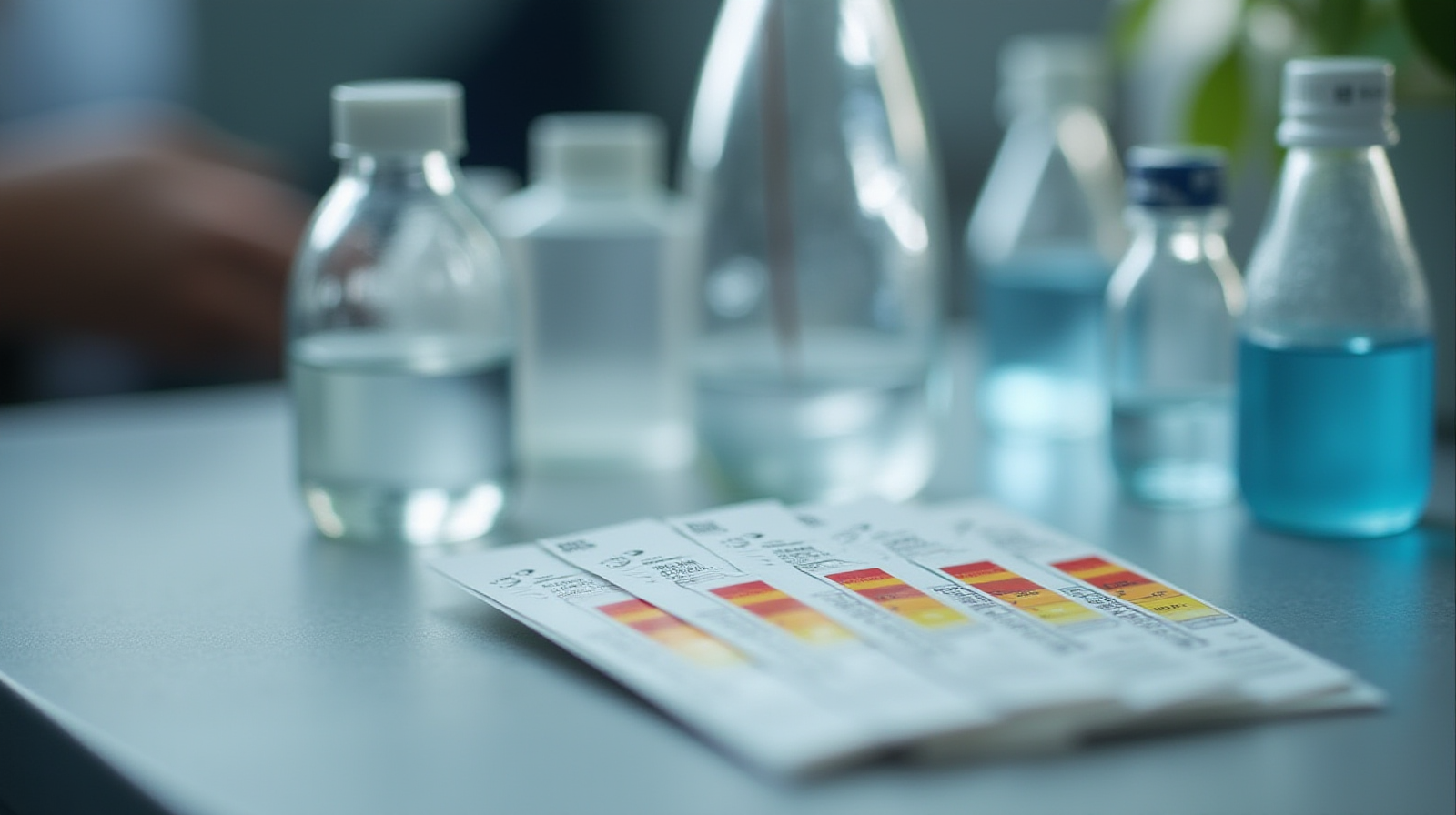
- Testing Routine: Are you testing for Ammonia and Nitrite regularly? These should always be at zero. High nitrates can also stress the fish over time.
- Stocking Levels: Do you have too many fish for the amount of water you have? Overcrowding leads to faster waste buildup and lower oxygen levels, which is a breeding ground for bacteria.
If any of these are red flags, start there first before worrying about meds. If you need help figuring out your filtration needs or how to set up a proper quarantine area, check out the guide library on our site.
Source: AquaticRig
Get new newsletter issues, guides, and product updates by email.