

Blackout Prep: Keeping the Reef Running When the Power Goes Out
Written by Diamond Dave — October 15, 2026
A look at running essential life support on portable power during a multi-hour outage.
The newsletter for reef keepers who want their corals to survive unexpected Oklahoman weather without guessing.
What exactly are we trying to keep running?
When the lights go out, it’s easy to panic and think every piece of gear needs to stay powered on. It isn’t. If you have a massive display tank with high-intensity LEDs and heavy CO2 injection systems, those can usually sit dark for a few hours without much drama. What you actually need to worry about is life support. For my reef tanks, that means the return pump and the protein skimmer (or its equivalent). In a freshwater setup, it’s your primary filter pump and perhaps an air stone if you have high-bioload fish like goldfish or koi. You want to focus your energy—and your battery capacity—on moving water and oxygenating it. If the water stops moving, waste builds up quickly, ammonia spikes, and oxygen levels drop. Identify the one or two pieces of equipment that keep your inhabitants breathing and your chemistry stable; those are your non-negotiables for a backup power source.
The power station reality check.
I’ve seen a lot of folks get caught up in the marketing of “portable power stations.” They look like big heavy batteries with plugs on them, and they’re great tools, but you have to understand what they can actually do. A common mistake is thinking that because a battery says it has enough capacity to run a heater for ten hours, it can run your whole system. It won’t. Most consumer-grade lithium units are designed for “intermittent” use or lower-draw items like phones and lights. When you hook up a high-torque aquarium pump, the startup surge and constant load will drain those batteries much faster than advertised. I’ve found that these stations are best used as a bridge—something to keep your critical pumps running for 4 to 8 hours while you wait for the grid to come back online or for a generator to kick in. They aren’t meant to replace your main power indefinitely, but they are excellent for buying you some peace of mind during a localized outage.
Calculating your runtime: It’s not just about wattage.
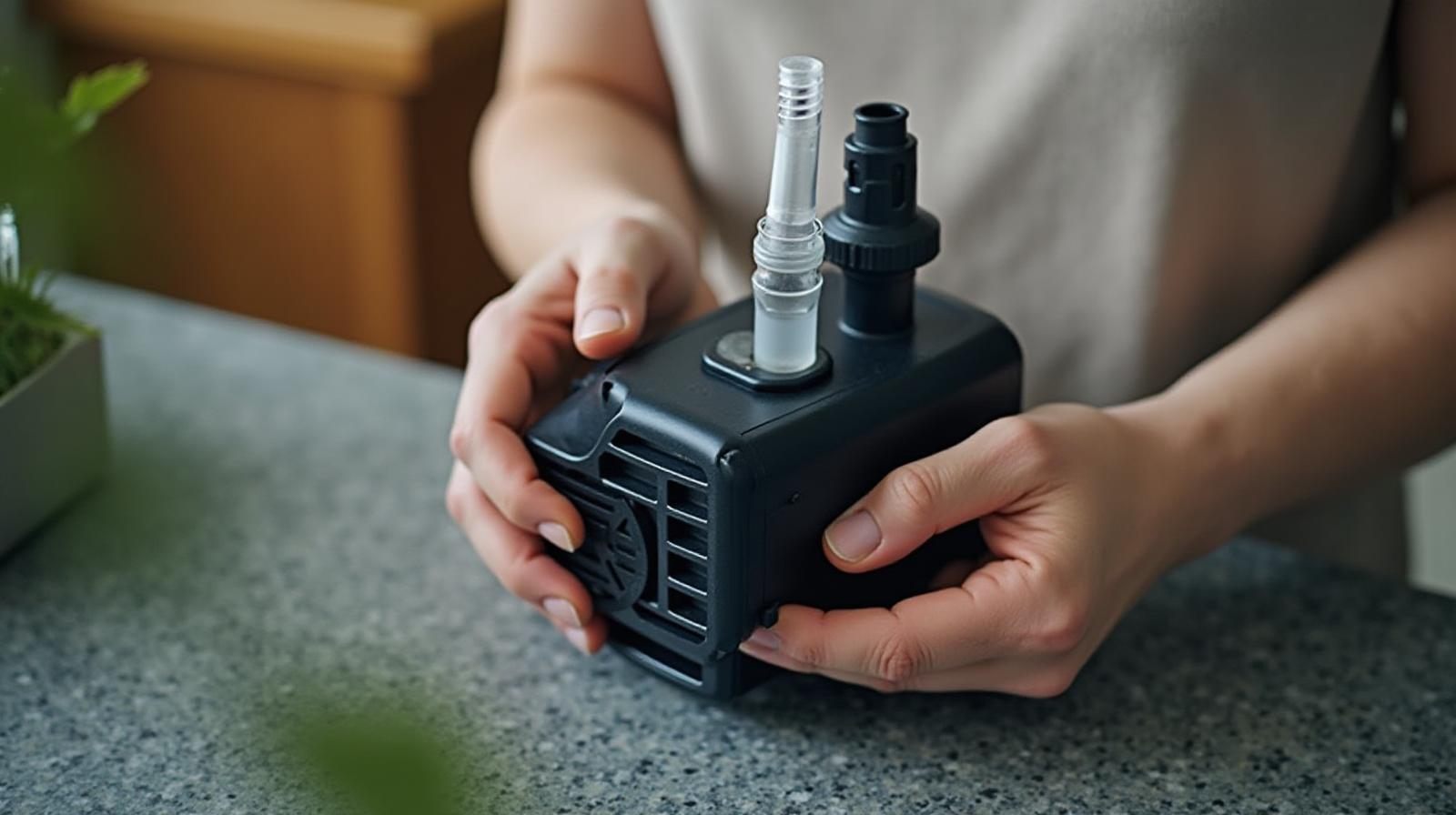
This is where most people get tripped up because the math isn’t always straightforward. Most portable power stations give you a “Wh” (Watt-hour) rating, but that doesn’t mean 100 Wh equals 10 hours of run time at 10 watts. There are conversion losses when moving power from the battery to your equipment. To get a real sense of what you have, I recommend looking at the actual amperage of your pump and doing some basic math, but since that can be a headache for most folks, try this rule of thumb:
- Identify the Wattage: Look at the sticker on your pump or skimmer (e.g., 60W).
- Account for Efficiency: Assume about 15-20% loss due to the inverter converting DC to AC power.
- Estimate Runtime: Take your battery’s total Wh capacity and divide it by the wattage of your gear, then multiply by 0.8.
If you have a 1000Wh station and a 100W pump (accounting for losses), that’s roughly 8 hours of runtime. If you want to run two pumps, you’ve just cut that time in half. Knowing these numbers ahead of time keeps you from guessing when the lights go out.
The ‘What If’ checklist before the storm hits.
Don’t wait until a storm is knocking on your door to see if your setup works. You need to test the “daisy chain” of your equipment before it matters. I recommend creating a dedicated “emergency circuit.” This means having a heavy-duty power strip specifically for your backup items, plugged into the portable station, so you aren’t scrambling to find adapters in the dark.
- Test the Startup: Plug your pump into the battery and turn it on. Does it stay running?
- Check the Connections: Ensure all plugs are secure. Vibration from pumps can sometimes loosen loose connections over time.
- Location, Location: Keep the power station in a dry area with good ventilation. These batteries can get warm during use.
- The “Switch Over” Plan: Know exactly which items go on the battery and which ones stay off to save juice.
Don’t forget the basics when the grid goes down
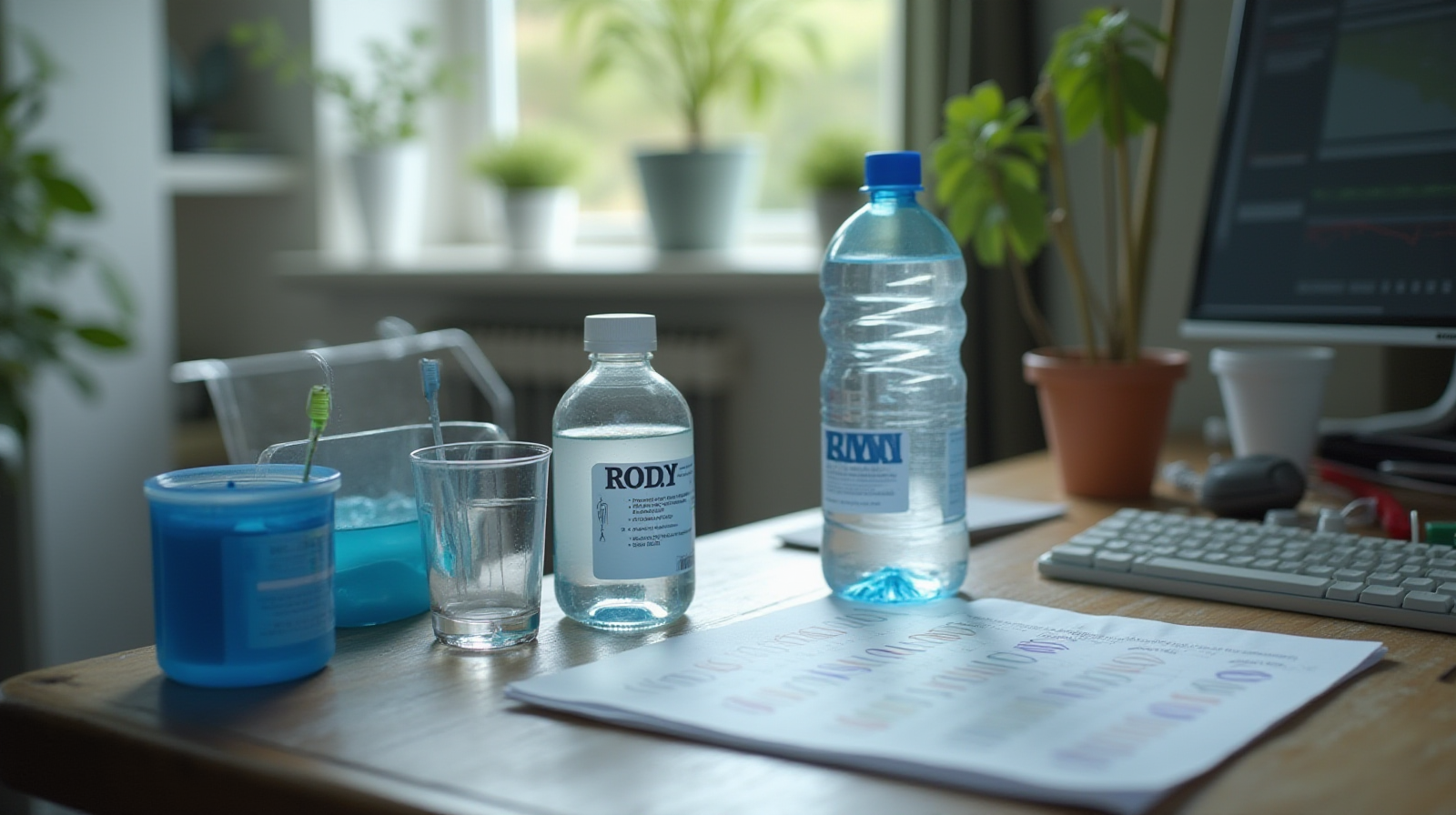
Electricity is only one way to keep a tank running, and sometimes it’s not enough. If you know an outage is coming or if one lasts longer than your battery can handle, you need manual redundancies. For example, if your main pump fails, having a dedicated air stone with a battery-operated bubbler can provide oxygen for several hours—or even days—on a very small power draw compared to a large return pump. Also, keep some heavy-duty buckets and a basic water testing kit handy. If the pumps stop entirely, you may need to manually aerate the water or perform a partial water change to dilute any ammonia buildup. Sometimes just knowing you have the tools to manually intervene gives you the breathing room you need when technology fails. It’s about having layers of protection so that one failure doesn’t become a catastrophe for your fish.
Wrapping up and what to do next.
Preparing for a blackout isn’t about over-engineering your hobby; it’s about making sure your fish stay safe when the unexpected happens. By identifying your critical life support, calculating your actual battery runtime, and testing your gear before an emergency occurs, you can move from a state of worry to a state of readiness. You don’t need a massive industrial generator to keep your tank stable; you just need a plan that addresses the specific needs of your livestock. If you want to dive deeper into how to manage these technical hurdles or if you need help figuring out exactly what equipment is worth “saving” during an outage, I can walk you through it. You can find more detailed breakdowns in our guide library, or if you have a specific question about your pump’s power draw, feel free to reach out through the contact page and we can take a look at your specs together.
Source: Reefs.com
Get new newsletter issues, guides, and product updates by email.