Don't Panic: How to Change Stuff in Your Tank Without Killing It
Written by Diamond Dave — October 13, 2026
A measured approach for when your tank needs a tweak—whether it’s lighting, water chemistry, or new plants.
The newsletter for anxious beginner hobbyists who are tired of over-correcting their tanks and losing things to panic changes.
First things first: What are we even trying to fix?
Before you reach for a bucket or start tweaking your controller settings, take a breath and figure out what’s actually wrong. It’s easy to see a bit of algae or a fin that looks slightly frayed and think the whole system is crashing, but most problems in an aquarium aren’t emergencies—they are symptoms of something being out of balance. We need to distinguish between a “problem” (like a spike in ammonia after adding too many fish) and a “preference” (like wanting your plants to grow faster). If you can’t pinpoint exactly what is bothering you, don’t start changing variables yet. Trying to fix three things at once—like changing the light cycle, adding new livestock, and switching fertilizers simultaneously—makes it impossible to tell which change worked or which one caused a new problem. Identify your primary goal first. Is the water chemistry unstable? Is there too much hair algae? Or are you just trying to move toward a specific look? Know your “why” before you touch a dial.
The ‘1 Baby Steps’ Rule for Any Change
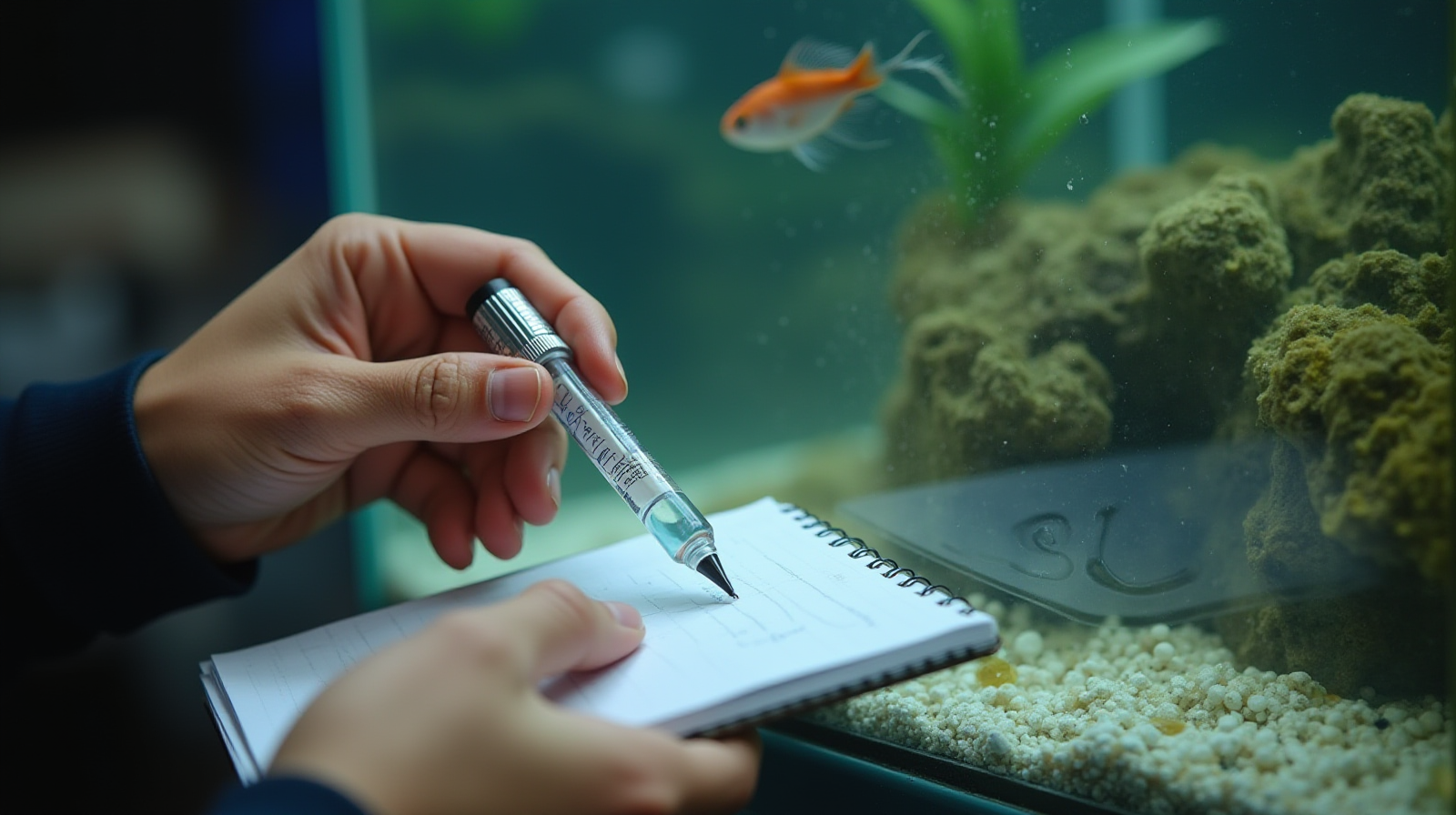
The biggest mistake I see people make is trying to overhaul their tank in a single weekend. In my experience, the most successful tanks are those where every change was made slowly enough that the inhabitants barely noticed it happened. Think of your aquarium as an ecosystem; even if it’s a small one in your living room, it relies on a delicate balance of bacteria and chemistry. When you change something—anything at all—you are throwing a wrench into that balance. The rule is simple: make one change, then wait. Give the system time to stabilize before you move on to the next adjustment. If you want to increase your nitrates or switch out a light bulb, do it and then let things sit for a week or two. This gives you a “control” period where you can see how the tank reacts specifically to that one change. If something goes wrong, you’ll know exactly what caused it because nothing else was moving at the same time.
Lighting, Water Chemistry, or New Plants? How they require different caution levels.
Not all changes carry the same level of risk, and your approach should reflect that. For example, adding a new plant is usually a low-risk move; unless you’re dumping in a massive amount of heavy root tabs at once, the chemistry shouldn’t swing wildly overnight. However, lighting and water chemistry are different beasts entirely.
- Lighting: Sudden changes in light intensity or duration can cause rapid algae blooms or stress your fish. If you want more light for your plants, increase it by only 10-15% every week.
- Water Chemistry: This involves the literal “air” and food of your tank. Adjusting pH, GH, or KH should be done in small increments over several days. Sudden jumps can shock fish gills or disrupt their ability to process waste.
If you want a bigger change, don’t do it all at once. If you need more light, get there in stages. If the water chemistry is off, move toward your goal in small steps rather than trying to “fix” it with one massive dose of chemicals.
What to Watch For When Things are Changing (The Observation Period)
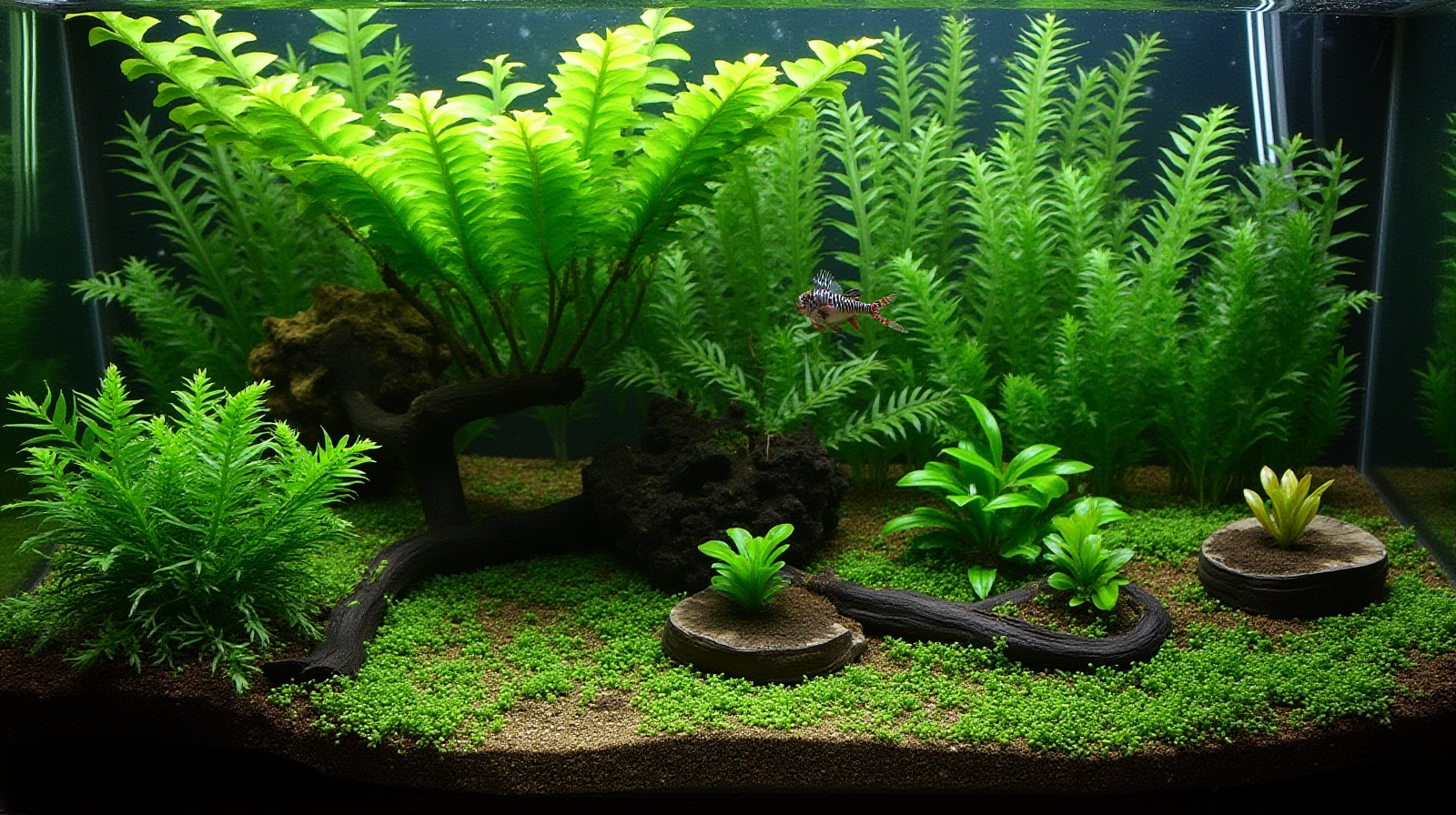
Once you make a change, your job shifts from “doer” to “observer.” You need to watch for specific signs that the tank is struggling to adapt. This isn’t about waiting for something to die; it’s about spotting the warning signs early enough to back off. Keep an eye on these three things during any transition:
- Fish Behavior: Are they hiding more than usual? Is their breathing heavy or rapid? Are they “gasping” at the surface? These are signs of immediate stress.
- Algae Growth: A sudden bloom of green hair algae often means your lighting is too high or your nitrates are spiking, and you need to dial back.
- Water Clarity/Color: If the water suddenly turns cloudy or changes color, something in the chemistry has shifted significantly.
If any of these things happen, stop making new changes. Hold steady for at least a week. Take notes on what happened so that if it happens again, you know exactly where the limit is for your specific setup.
Mistakes I Made: Don’t Over-Correct
Early on in my hobby, I had a tendency to over-correct when I saw something I didn’t like. If I saw a bit of algae, I’d blast it with heavy chemicals; if the water looked slightly off, I’d do massive water changes all at once. I was trying to “fix” things too fast because I wanted results immediately.
The problem is that extreme actions often cause more harm than good. A massive water change in one day can strip out beneficial bacteria or shock fish, and a huge dose of fertilizer might solve a yellowing leaf today but cause an uncontrollable algae explosion next week. You have to be patient enough to let the tank find its own equilibrium. It is much easier to move toward your goal slowly than it is to fix a disaster caused by moving too fast. If you’re feeling frustrated and want to “blast” something, take a step back. Slow progress is almost always better for the fish in the long run.
The Quick Checklist Before You Touch Anything
Before you make any changes—whether it’s adding new plants, adjusting your timer, or changing your dosing routine—run through this checklist. If you can’t check every box, wait a week before trying again.
- Is the goal clear? (e.g., “I want to reduce green hair algae,” not “I just want it to look better.”)
- Am I only changing one thing at a time? (No multi-tasking on adjustments.)
- Have I planned for small increments? (Instead of 100% change, can I do 10% this week?)
- Do I have an observation period set? (I will wait X days before making the next move.)
- Is there a “fallback” plan? (If things get weird, I know exactly what to adjust back to normal.)
If you’re ever unsure about how to balance these variables or need help figuring out which specific adjustment is causing an issue in your tank, feel free to reach out through the contact page.
Source: AquaticRig
Get new newsletter issues, guides, and product updates by email.