Getting New Critters Acclimated Without Killing 'Em On Arrival
Written by Diamond Dave — September 26, 2026
A practical guide to dealing with osmotic shock for shrimp and delicate fish.
The newsletter for new and intermediate hobbyists who want their livestock to settle in stress-free right from the start.
Before we even talk about the drip: What’s actually happening to your new livestock?
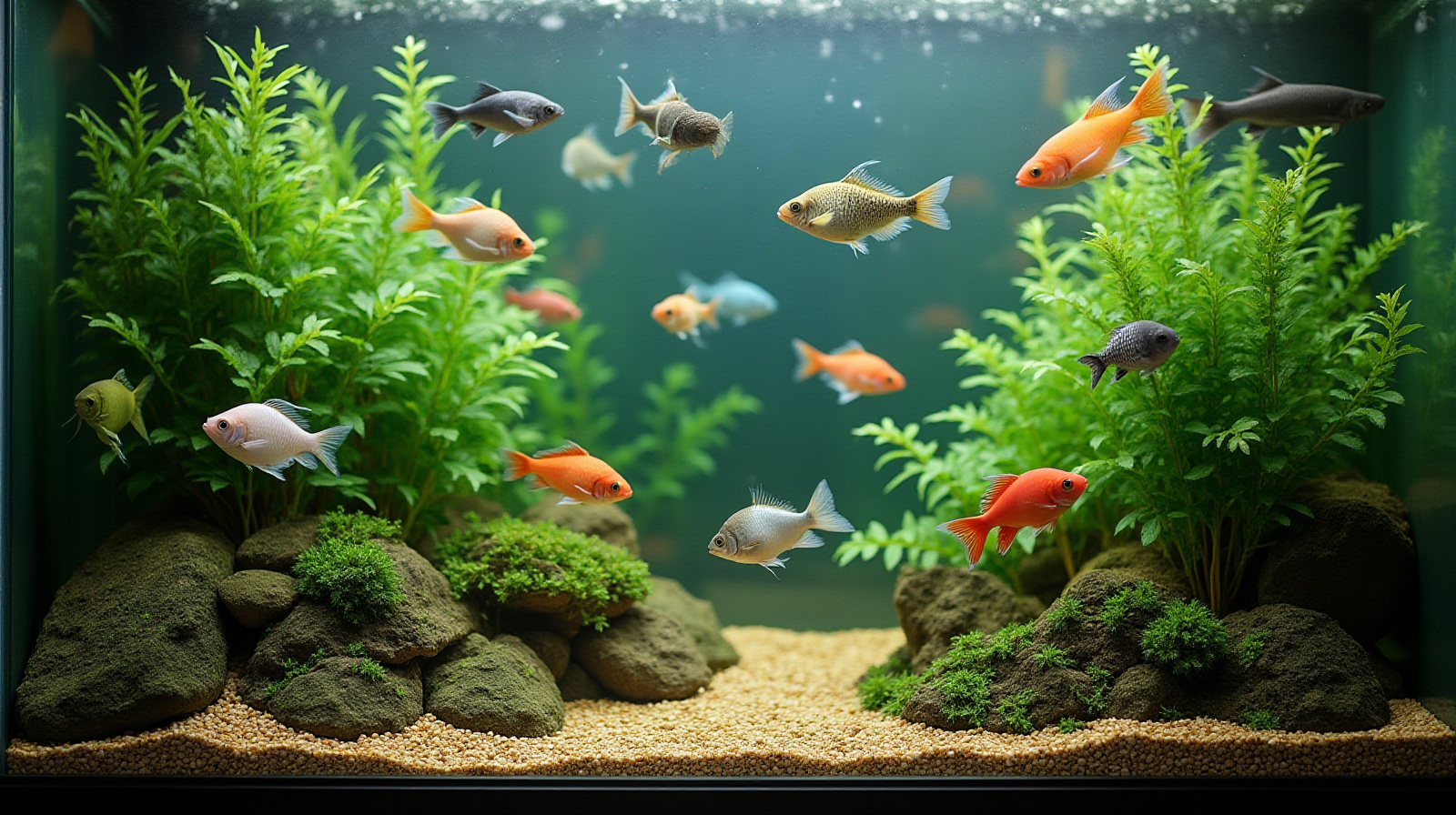
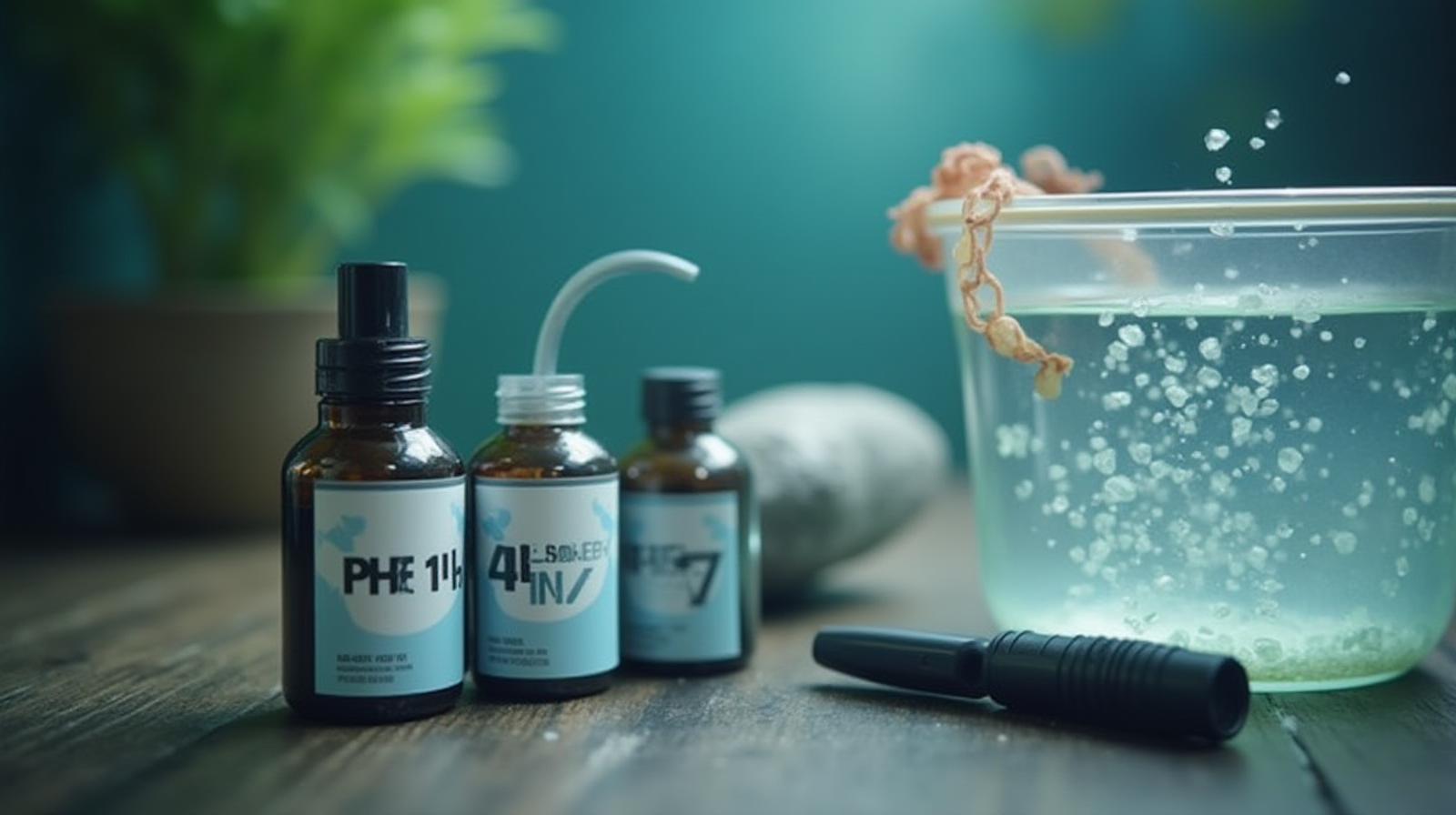
When you bring a new fish or shrimp home, they aren’t just adjusting to a new “house”—they are trying to survive a massive chemical shock. In my early days of keeping aquatic life, I used to think that as long as the water looked clear and moved around, the animals would be fine. I was wrong. Every body of water has its own signature: different levels of pH, GH (general hardness), KH (carbonate hardness), and salinity.
When you move a creature from one environment into another without a transition period, their systems can go into shock because they are trying to process these chemical differences all at once. It’s called osmotic shock. Think of it like a person suddenly being plunged into freezing water; the body has to work overtime just to regulate its internal chemistry. For delicate species, that sudden jump in parameters is often enough to shut down their systems entirely. We use acclimation not because we want to be fancy, but because we want to give their bodies time to adjust slowly so they don’t have to fight a losing battle against the water chemistry the moment they hit your tank.
Float vs. Drip: Knowing which method fits the job
I get asked all the time when I should just “float the bag” and when I need to set up a slow drip. There is a time for both, but you have to know what you’re moving into the water first. Floating the bag—where you let it sit in your tank for 15_20 minutes—is mostly about temperature. If the bag feels significantly different than your tank’s thermometer reading, floating ensures they don’t get hit with a sudden heat or cold spike.
However, floating doesn’t do much to change the chemistry of the water inside that bag. For most hardy fish like certain types of tetras or goldfish, a good float and a slow pour might be enough. But for anything delicate—especially shrimp or high-end tropical fish—you need a drip acclimation. This involves slowly adding your tank’s water into the bag (or a bucket) over 30 to 60 minutes. This gradual introduction allows the chemistry to shift incrementally, so by the time they are released, their bodies have already “practiced” adjusting to your specific water parameters.
The Shrimp Way: Gentle steps for sensitive critters
Shrimp are notoriously finicky when it comes to acclimation because they are extremely sensitive to mineral fluctuations and oxygen levels. If you want to keep shrimp alive long-term, I always recommend a slow and steady approach. They don’t have the same “toughness” as some fish; even a small spike in ammonia or a sudden shift in pH can be a death sentence for them during the transition phase.
When moving shrimp, I prefer using a dedicated bucket system rather than just the bag they came in. Here is how I handle it:
- Temperature Match: Float the container until the temperature is identical to your tank.
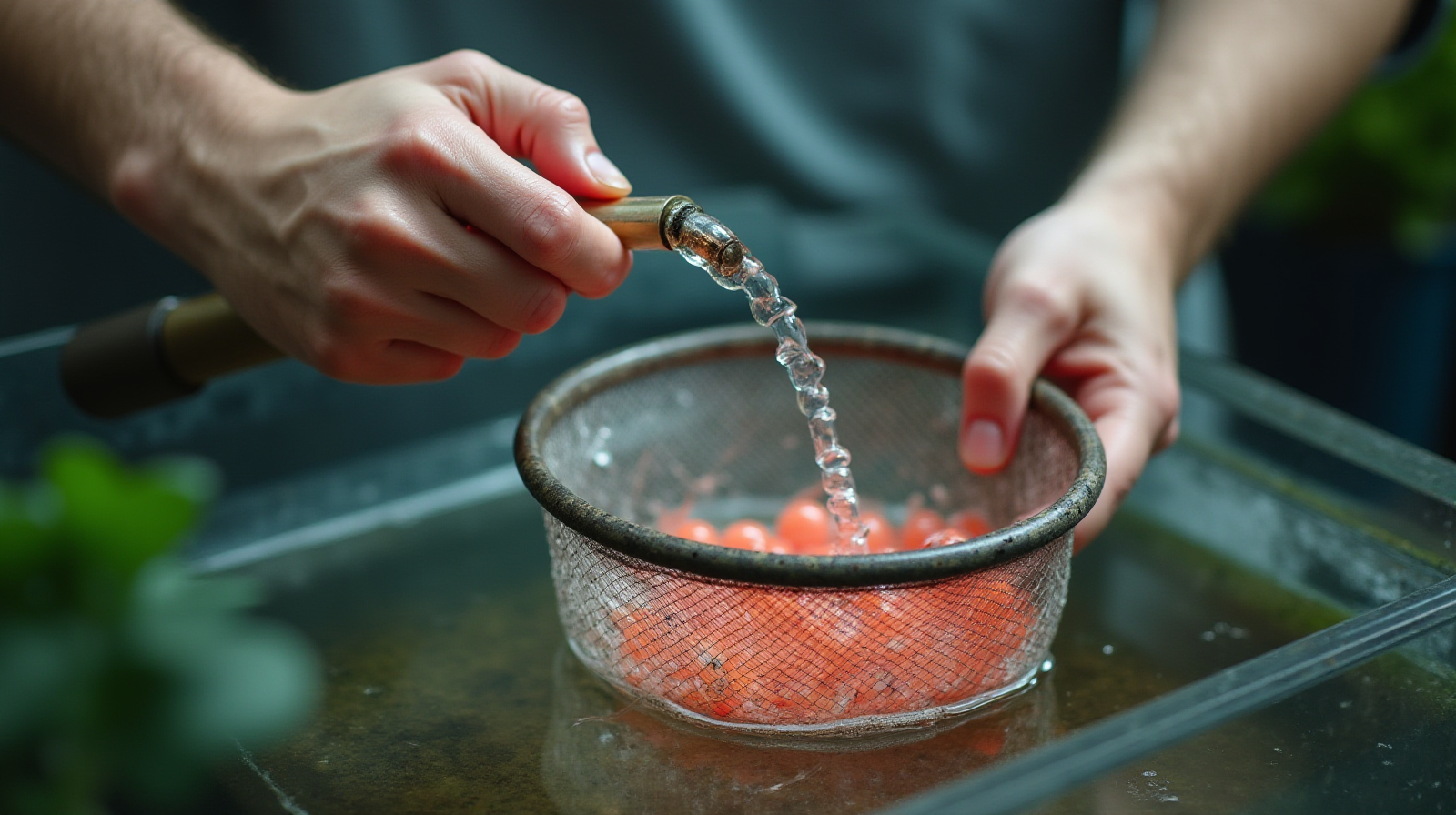
- Slow Drip: Use a small airline tube or a gravity-fed drip to add tank water into the bucket slowly over an hour.
- Water Exchange: Instead of dumping the bag water into your aquarium, I replace about half of it with fresh, pre-treated tank water during the acclimation process. This ensures they are moving into “known” territory rather than a soup of whatever chemicals were in their transport container.
When to worry (and when it’s just stress)
It is important to distinguish between “new home jitters” and an actual emergency. Almost every fish will act a bit weird for the first few hours—they might hide, stay at the bottom, or move sluggishly while they figure out where the food is and how to navigate your layout. This is normal stress.
However, there are signs that the acclimation went poorly and you need to take action. You should watch for:
- Erratic Swimming: If a fish is darting wildly against the glass or swimming in circles.
- Gasping at the Surface: This usually indicates a struggle with oxygen levels or an immediate chemical shock.
- Lethargy/Unresponsiveness: If a shrimp won’t move even when disturbed, it may be in shock.
If you see these signs immediately upon release, it often means the transition was too fast. In those cases, keep the lights off for a few hours to lower their stress levels and let them settle into your environment without being “on display.” It gives them a chance to recover from the initial shock of the move.
A Quick Syllabus for Next Time You Buy New Stuff
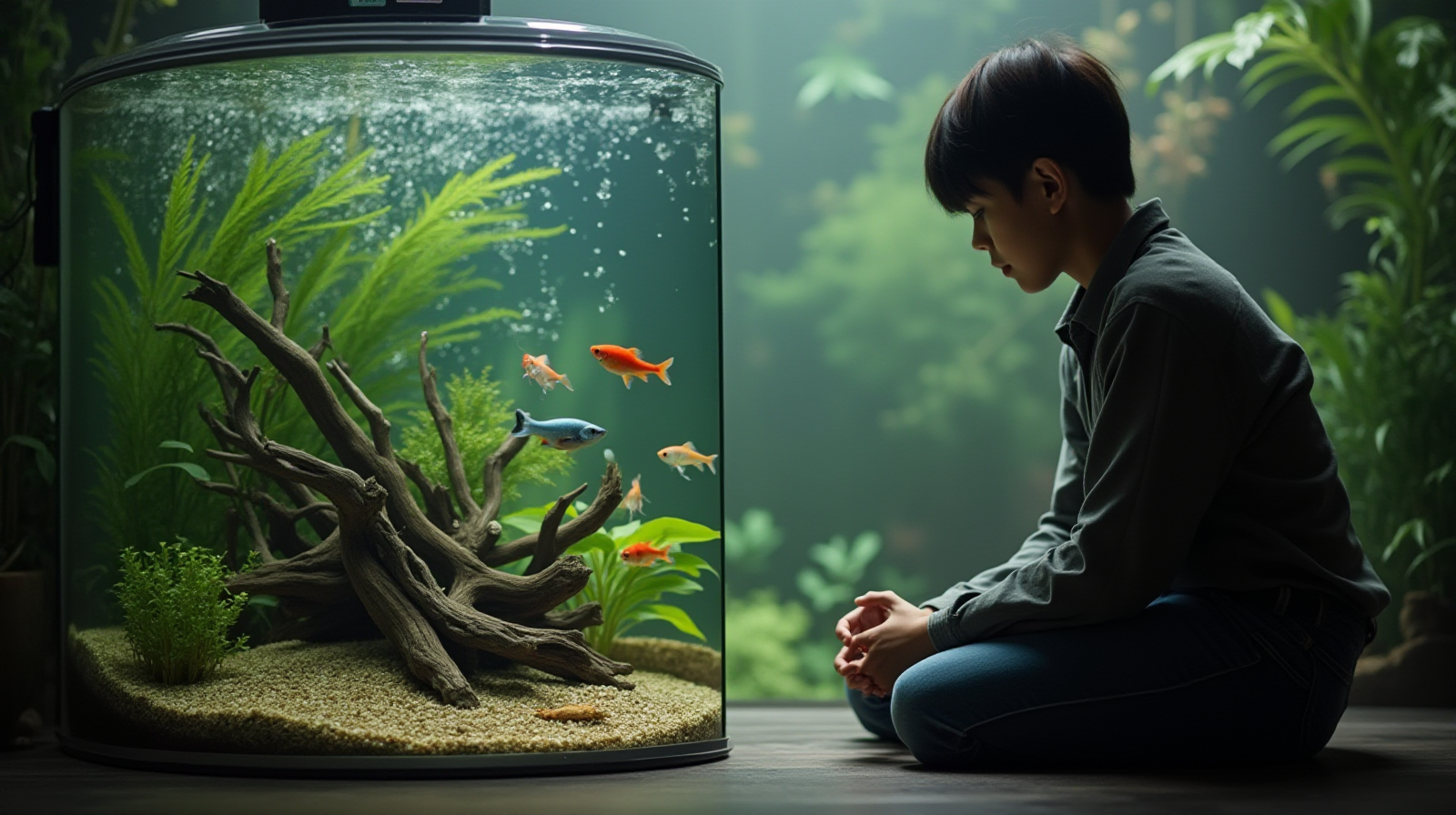
To make things easier next time you head to the shop or receive a shipment, I find it helps to have a mental (or physical) checklist before the livestock even leaves the bag. Having a plan reduces your stress and theirs.
| Step | Action Item | Why It Matters |
|---|---|---|
| 1 | Check Temperature | Prevents thermal shock from moving between different environments. |
| 2 | Drip Acclimation | Gradually introduces your tank’s chemistry to the animal. |
| 3 | Water Swap | Ensures you aren’t pouring “bag water” into your main system. |
| 4 | Quarantine Period | Gives new arrivals time to show symptoms before they can affect your whole tank. |
| 5 | Observation Window | Give them 24-48 hours of low light and no disturbance to adjust. |
If you ever find yourself unsure about the specific chemistry of a new species or need help figuring out if your current setup is ready for a “high-maintenance” addition, I’m happy to take a look at your parameters. You can reach out through my contact page or check out the guide library to see more detailed breakdowns on different livestock types.
Source: AquaticRig
Get new newsletter issues, guides, and product updates by email.