
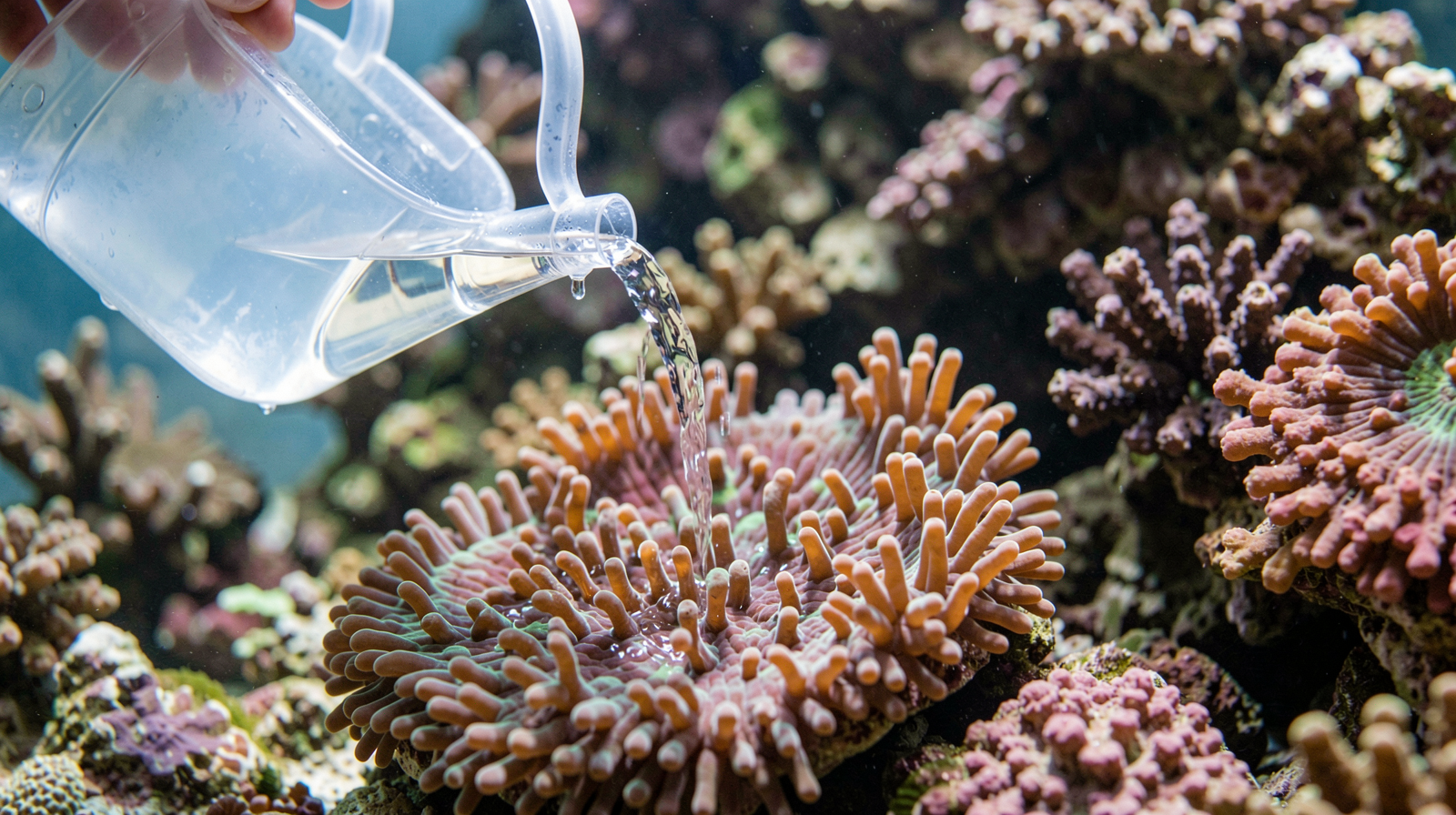
Getting New Reef Fish Home: Slow and Steady Wins the Race
Written by Diamond Dave — November 13, 2026
A no-nonsense guide to keeping your new saltwater arrivals alive through acclimation.
The newsletter for reef keepers who want their expensive livestock to survive the trip home safely.
First things first: Why we take our time
I see this a lot when people come into my shop—they’ve spent weeks getting their reef tank ready and they want to get those new fish in right now. I get it; the excitement is real. But here’s what I’ve learned from years of running these tanks: most of the time, it isn’t a sudden spike in ammonia that kills a new arrival—it’s sheer stress.
When you move a fish from one body of water to another, its system is trying to figure out how to handle a brand-new environment. If those changes happen too fast, the fish’s body can’t keep up with the internal pressure shifts. Think of it like moving into a new house; if you try to unpack every box and rearrange every piece of furniture in ten minutes, you’re going to have a breakdown. Acclimation is just about mimicking how these changes would happen in nature—slowly over time. We aren’t trying to “fix” the water instantly; we are just making sure the transition doesn’t overwhelm their systems while they’re already dealing with the shock of being moved.
Matching up the basics: Temp and Salinity Checks
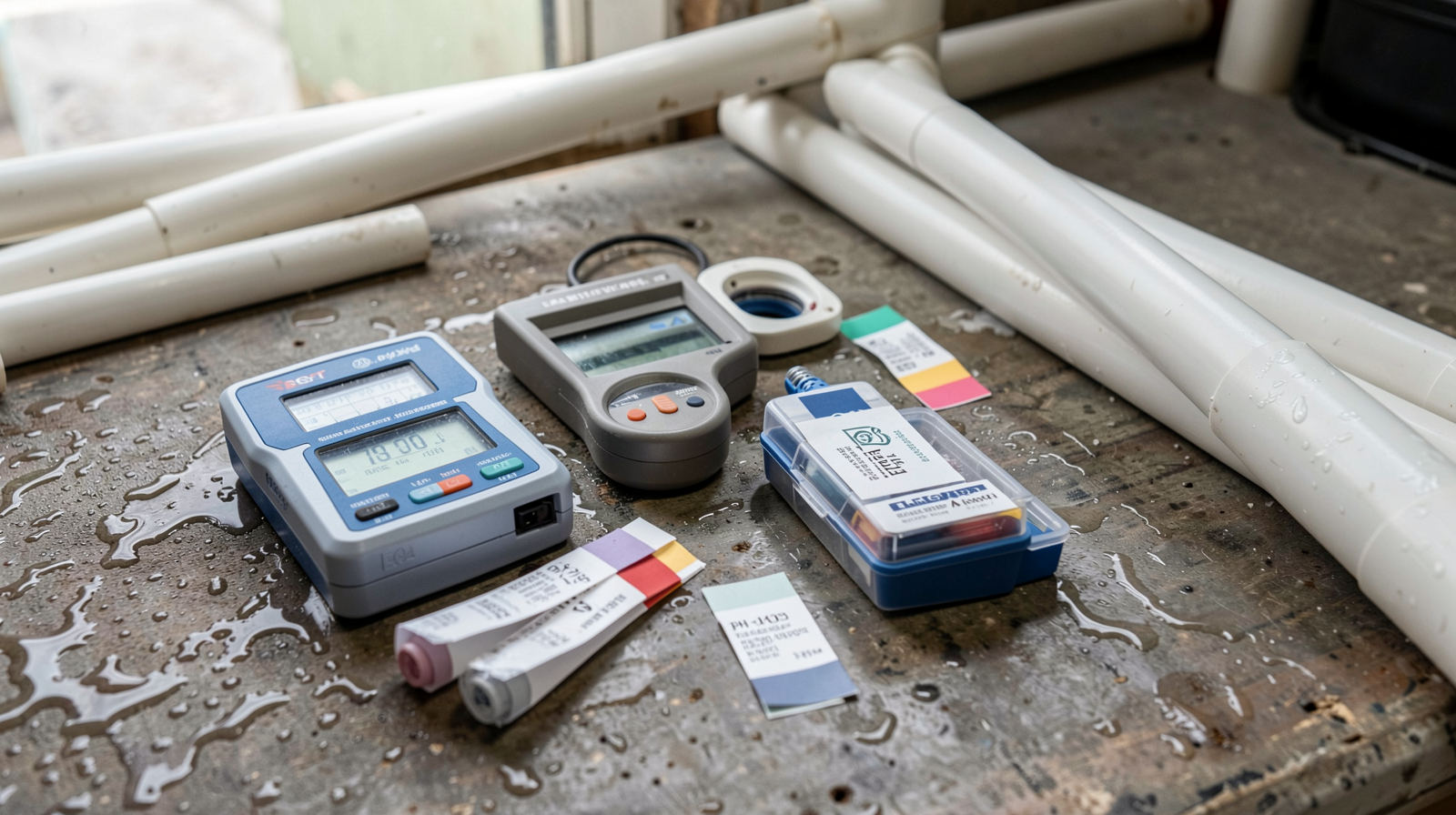
Before you even think about moving a single drop of water into that transport bag, you need to get your numbers in the same ballpark as the store’s water. If there is a massive gap between what the fish is used to and what sits in your display tank, they’re going to go into shock before the acclimation even starts.
I always tell people to grab their refractometer or hydrometer and a reliable thermometer first. You want to get as close as possible to the source water parameters without actually dumping the bag contents into your tank yet. Here is how I generally approach it:
- Temperature: Use a thermometer to check both the transport bag and your display tank. If there’s a gap, you can use a heater or a cold pack (depending on which way you’re moving) to bridge that distance.
- Salinity: This is non-negotiable. You need to know exactly what “parts per thousand” (ppt) the fish are coming from. If your tank is at 1.026 and their bag is at 1.020, you have work to do before they get moved over.
The Drip Method Explained: Bringing in pH slowly
Once your temperature and salinity are matched as closely as possible, that’s when we start the drip. This is where a lot of people get impatient, but this is the most important part for preventing osmotic shock—which is basically when the water inside the fish’s cells tries to move out (or in) too quickly because of a concentration difference.
I prefer using a small airline tube and a bucket or reservoir system. You want a slow trickle of your tank’s water into that transport bag. The goal isn’t to fill the bag; it’s to slowly introduce the specific chemistry of your reef—the minerals, the carbonates, and the trace elements—into their current environment.
A good rule of thumb is to aim for a change so slow that you barely notice it happening over an hour or two. If you see the water level in the bag rising significantly every few minutes, you’re going too fast. You want those fish to think they are just swimming in slightly different-tasting water until eventually, the difference becomes negligible enough that they can move into the main tank safely.
Don’t Forget the Chemistry Stuff (pH and Alkalinity)
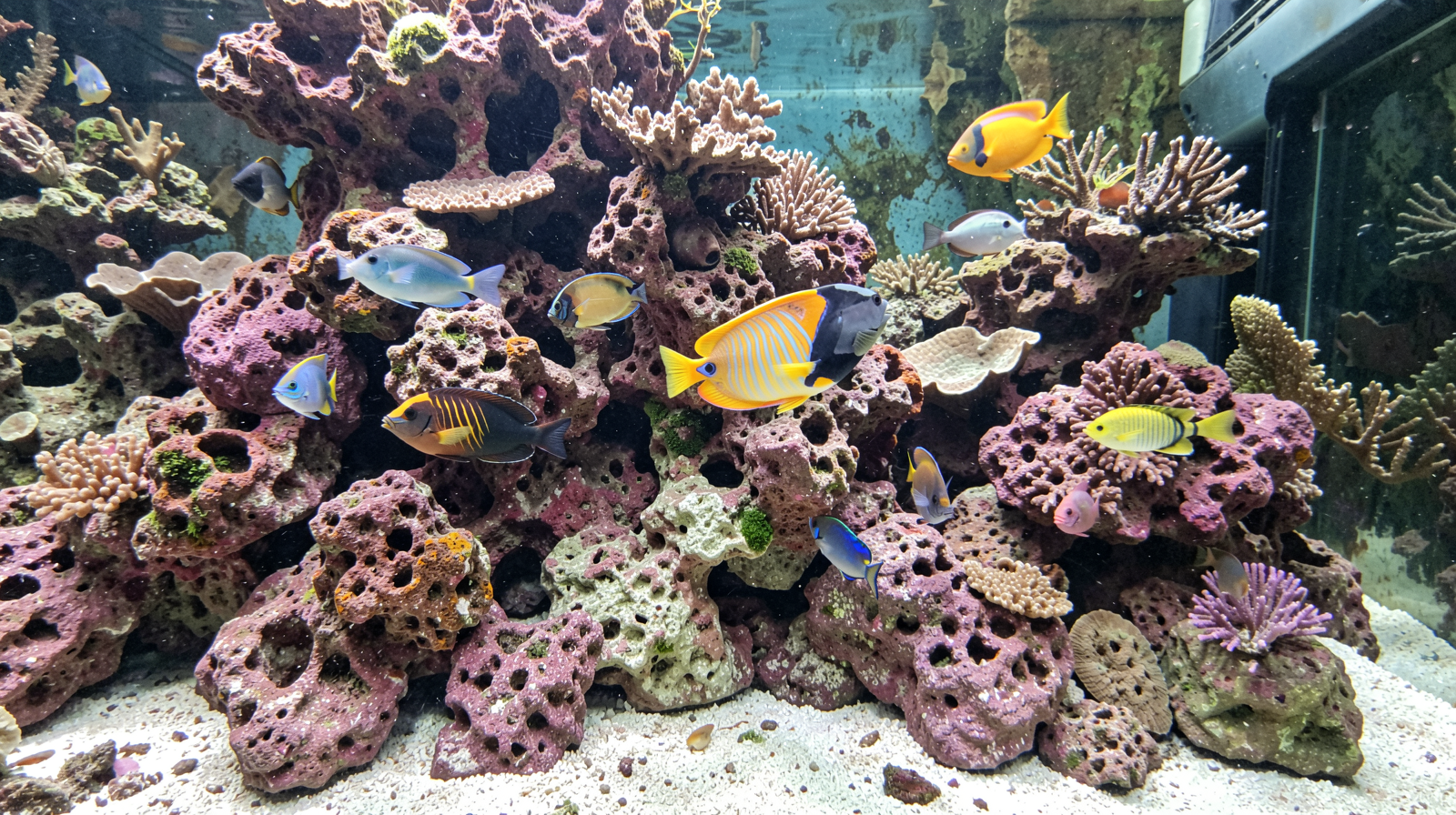
A lot of beginners focus so hard on temperature and salt levels that they completely forget about pH and alkalinity. While these don’t usually need to be perfectly matched to the decimal point, a massive swing during the move can still cause issues. If your display tank is significantly more acidic or alkaline than what the fish are coming from, a slow drip helps buffer that transition.
During the process, I like to keep an eye on things just to make sure we aren’t seeing wild swings. You aren’t looking for perfection here—most reef tanks have some natural fluctuation—but you don’t want to be dumping them into a tank where the pH is wildly different from their source. It’s about stability. If your alkalinity is steady and your pH isn’t crashing or spiking, you’ve done the heavy lifting of preparing the environment for them to succeed in the long run.
What trips up most people? Common Rookie Mistakes
I’ve seen some pretty heartbreaking mistakes made by well-meaning hobbyists who just want to see their new fish thrive. The biggest one is “dumping.” This is when someone sees a fish looking a bit sluggish and thinks they are helping it by just pouring the bag water into the tank. In reality, that sudden change in chemistry is often what finishes them off.
Other common mistakes I see include:
- Skipping the temperature match: Moving a fish from 78 degrees to 82 degrees instantly can cause immediate stress.
- Using “dirty” water for the drip: If you’re using a bucket of tap water for your drip, you’re introducing chlorine and heavy metals into their bag. Always use your actual display tank water for the drip.
- Moving too many fish at once: If you have five new arrivals, don’t try to acclimate them all in one 20-minute window with a single setup. Give each species—or at least each group of similar sizes—the time they need.
The Final Check: Settling In After the Move
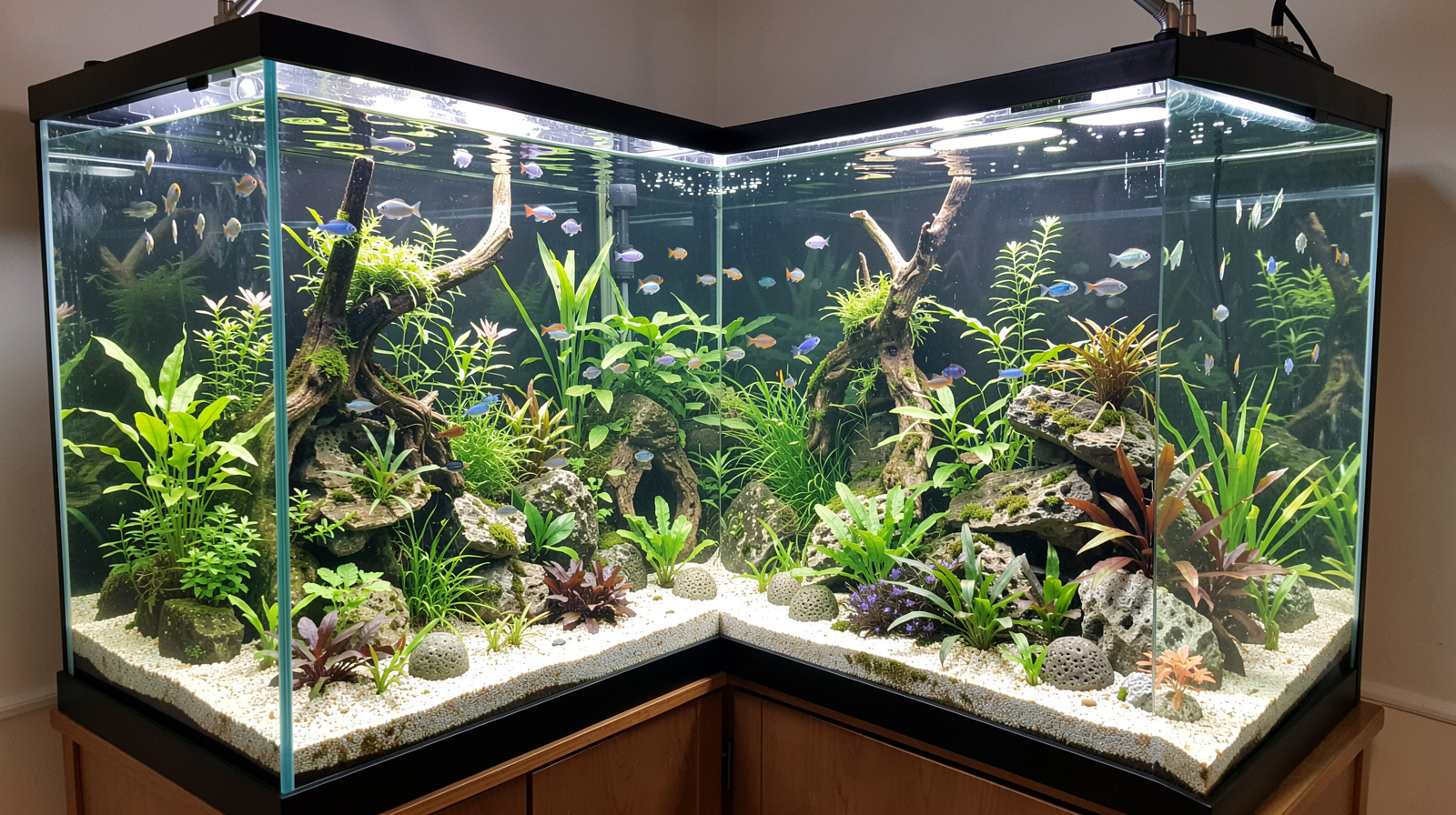
Once you finally open that bag and let the fish swim into your reef, the job isn’t quite over. The first 24 hours are critical because the fish are still recovering from the stress of being handled and moved. I usually tell people to give them some space. Don’t go poking at them or trying to move them around again.
Here is a quick checklist for that first day:
- Observe behavior: Are they swimming normally? A little bit of hiding is expected, but extreme lethargy is a red flag.
- Check water parameters: Take a reading of your tank’s chemistry an hour after the move just to ensure everything stayed stable during the introduction.
- Minimize noise/light: Keep things calm. Let them get used to the flow of your pumps and the placement of your rocks without any extra distractions.
If they make it through that first night looking active, you’ve done the hard work correctly. Now it’s just about letting them find their favorite hiding spot and start getting comfortable in their new home.
Source: Reefs.com
Get new newsletter issues, guides, and product updates by email.