
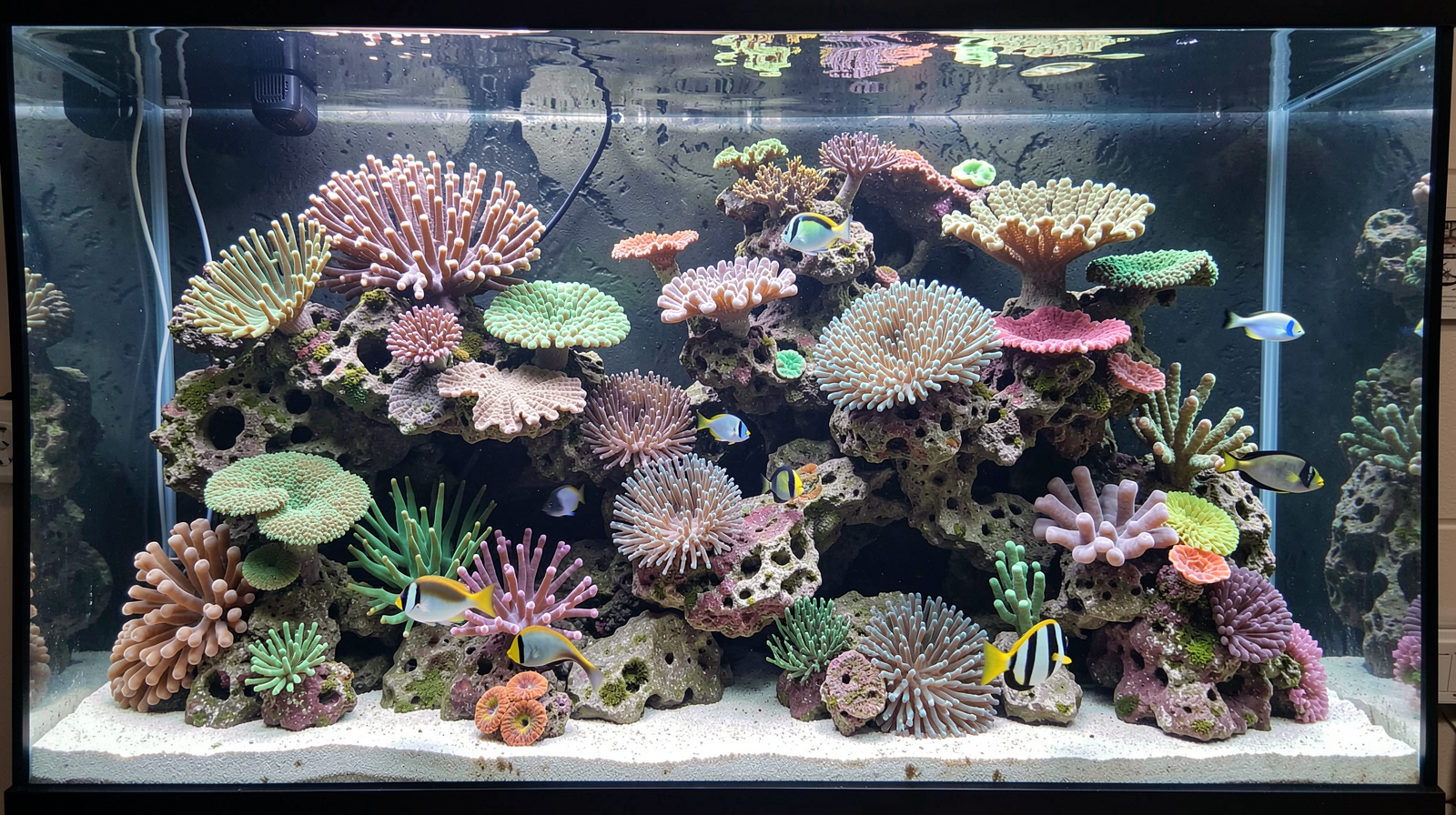
Getting Your Mushy Corals to Really Thrive
Written by Diamond Dave — November 8, 2026
A deep dive into stabilizing the environment for high-value soft corals like Bounce and Jawbreaker.
The newsletter for experienced reef keepers who want maximum color saturation with minimum guesswork on their prized, delicate LPSs.
Before we get into the fancy stuff: What are these corals actually doing?
When you start looking at high-value soft corals like Bounce or Jawbreaker, it’s easy to get caught up in the “magic” of their growth. But before we talk about specific dosing schedules or specialized lighting, we have to look at what’s happening under the surface. These are essentially tiny, living factories. They rely on a symbiotic relationship with zooxanthellae—microscopic algae that live inside their tissues. The coral provides the house and minerals; the algae provide the food via photosynthesis.
The biggest mistake I see people make when they move into these “high-end” corals is trying to force growth through aggressive intervention. If your parameters are swinging wildly, the coral spends all its energy just trying to survive the fluctuations instead of building new tissue. Stability isn’t a luxury; it’s the baseline. Your goal isn’t to create a laboratory environment with perfect numbers every second, but to ensure that those numbers don’t move so much that the coral gets stressed out and stops producing.
Tuning up your water flow—it’s not just about turning on a pump.
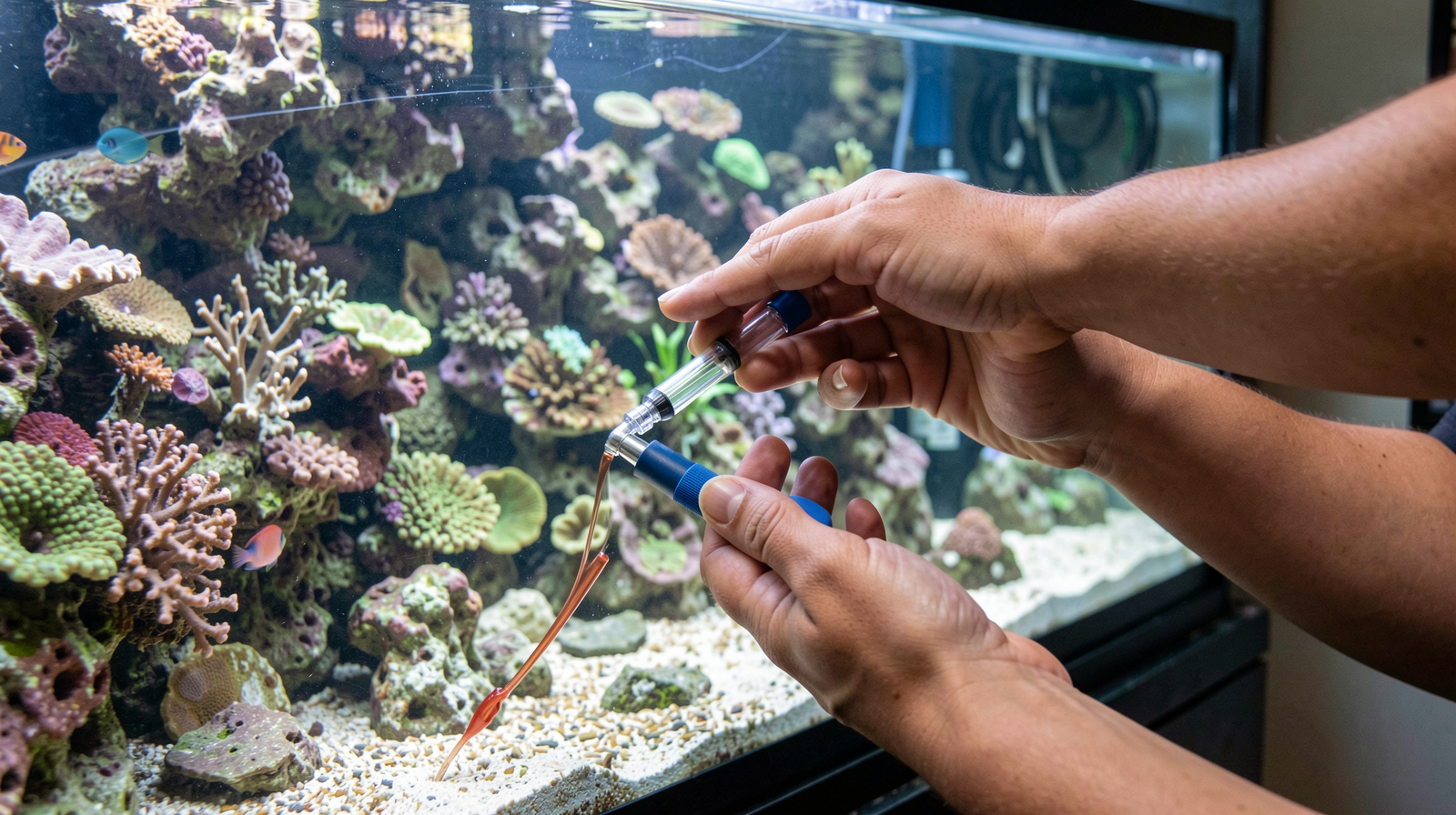
I used to think “flow” just meant having some movement in the tank. I was wrong. For corals like Jawbreaker, the goal is nutrient delivery. You want enough current to carry oxygen and food particles across the surface of the polyp, but you don’t want it so strong that the coral has to spend all its energy “anchoring” itself against a gale-force wind.
Think of it like a gentle breeze versus a hurricane. If your flow is too stagnant, waste products settle on the tissue and can cause localized rot or algae blooms. If it’s too violent, you’ll see the coral start to shrink back or look “tired.” I find that aiming for a consistent, indirect flow works best—where the water moves past the coral rather than hitting it directly like a jet stream. Adjust your powerheads so there is some turbulence in the water column, but make sure the actual coral isn’t being hammered by a concentrated blast of water.
The tricky business of light: PAR, intensity, and the difference between too much and just right.
This is where things get personal because every tank setup reacts differently to lighting. You’ll see brands pushing high-intensity “full spectrum” lights for everything, but if you crank it too high on a soft coral like a Bounce, you’re going to cook it. These corals need enough light to fuel their internal algae, but they don’t have the same structural defenses as some of the hardier SPS species.
Instead of just looking at what your light fixture says its “max” output is, focus on how the coral reacts over a week-long period. You’re looking for consistent expansion and color stability. If you see bleaching (turning white) or rapid tissue recession, your PAR is likely too high. Conversely, if they look pale and thin, they might not be getting enough energy to maintain their mass. It’s about finding that “Goldilocks” zone where the coral looks vibrant but isn’t being stressed by excessive radiation.
When things go sideways: Spotting stress vs. actual sickness.
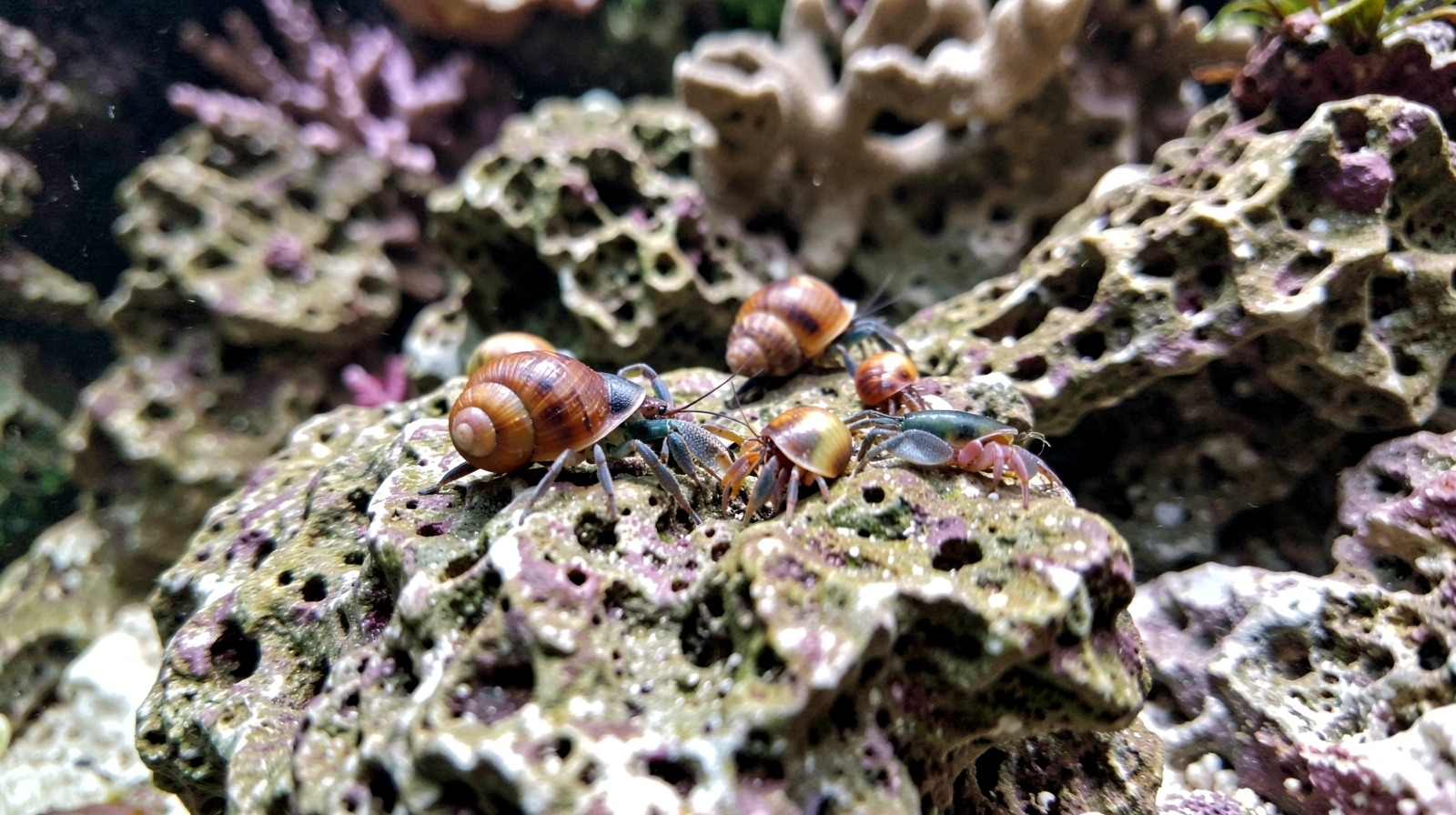
One of the hardest parts of reef keeping is knowing when to panic and when to just give it a day. Corals are moody creatures; they will contract if you move them, change the temp slightly, or even if someone walks by the tank too quickly. I always tell people to wait at least 48 hours before assuming something is “wrong.”
However, there are clear signs that distinguish stress from an actual pathogen outbreak:
- Normal Stress: The coral shrinks back into its base but remains firm and maintains its color over a few days.
- Nutrient Deficiency: You might see specific patches of fading or thinning tissue, often appearing as “melted” spots without obvious white fuzz.
- Active Pathogen/Rot: This is the emergency. Look for rapid, “liquefying” tissue loss that happens in hours rather than days. It often looks slimy or has a distinct change in texture that feels mushy to the touch.
If you see it happening fast across multiple corals at once, stop everything and check your water chemistry immediately.
The maintenance mindset: Keeping the chemistry dialed in without over-treating.
There is a temptation to start dosing every possible trace element the moment you buy an expensive coral. I’ve seen plenty of hobbyists “over-treat” their tanks until they’re swimming in minerals, which can be just as bad as having too little. The secret isn’t constant heavy dosing; it’s consistent baseline chemistry.
You want your Calcium (Ca), Alkalinity (Alk), and Magnesium (Mg) to stay within a stable range. If these numbers are jumping around every few days, the coral’s skeleton-building process gets interrupted. I prefer a “test first, dose second” approach. Use a reliable test kit to establish what your tank naturally holds, then only add enough of a supplement to keep that number from dropping too far. It’s better to have a slightly lower but very stable Alk than a high Alk level that fluctuates by 10 points every weekend.
A simple checklist for dialing up care for high-end corals
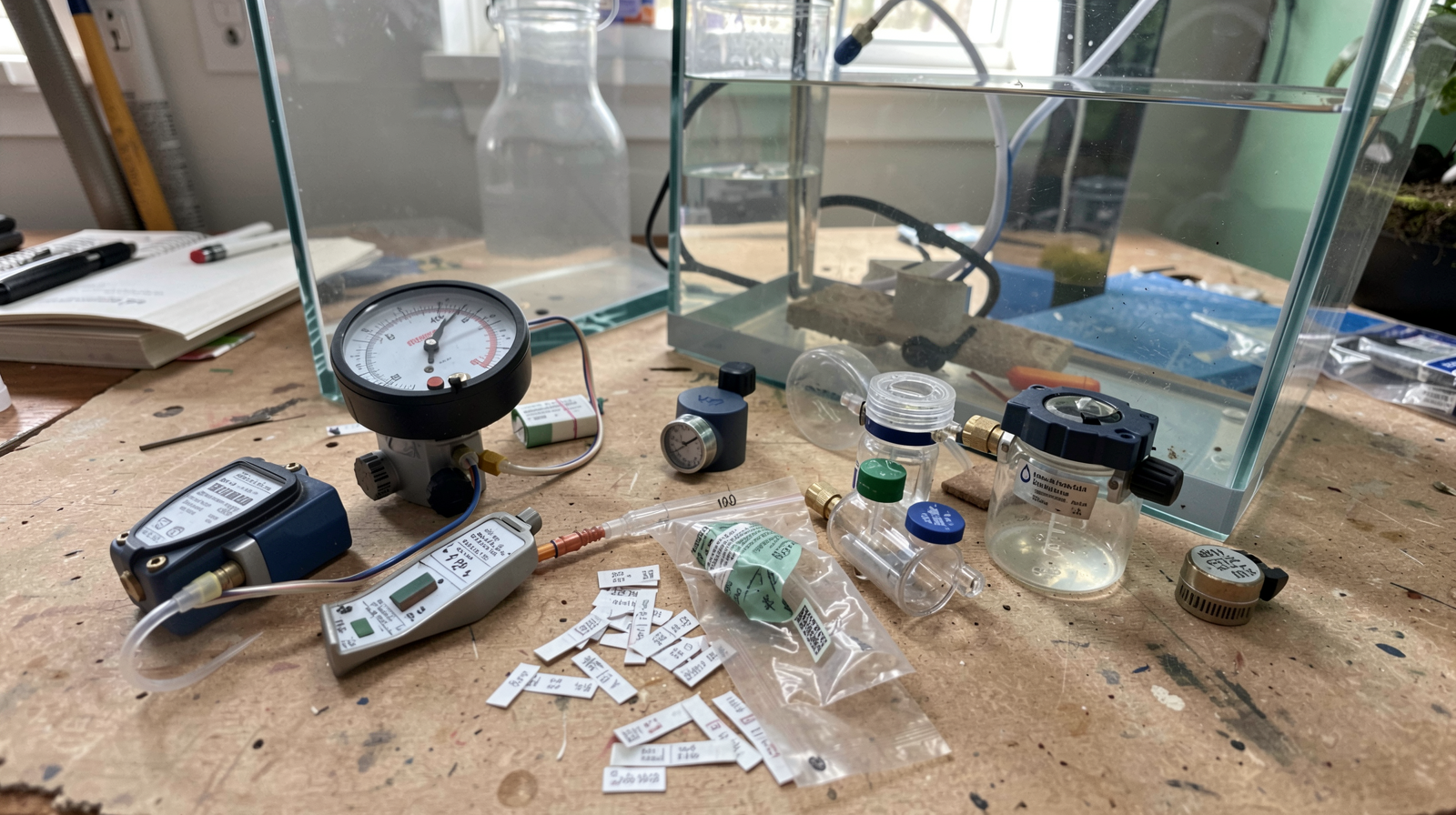
Before you make any big changes or start worrying about your new additions, run through this quick review of your current setup. It helps keep the “big picture” in mind when things feel overwhelming.
| Category | What to Check | Goal |
|---|---|---|
| Flow | Is the water moving past the coral? | Consistent nutrient delivery without physical stress. |
| Lighting | Has there been any bleaching or rapid shrinking? | Find the balance between photosynthesis and heat/radiation. |
| Stability | Are your Alk and Calcium levels steady over 7 days? | Prevent “shock” to the coral’s internal systems. |
| Observation | Is tissue loss happening in hours (bad) or days (stress)? | Determine if you need a dose of medicine or just more patience. |
| Cleanliness | Are there any large pieces of detritus sitting on the coral? | Prevent localized rot from trapped waste. |
Source: Reef Builders
Get new newsletter issues, guides, and product updates by email.