
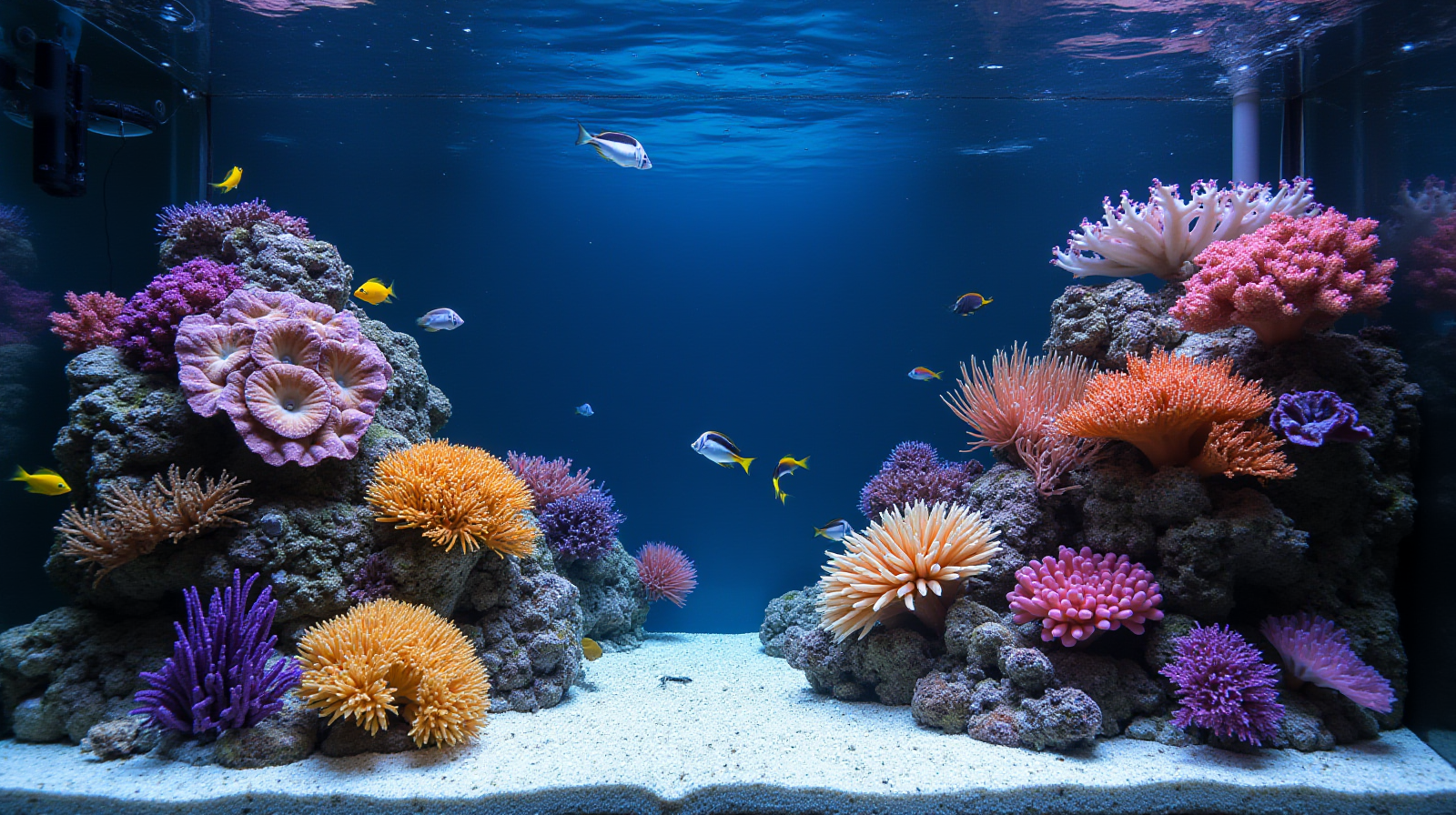
Getting Your Reef Chemistry Straight: Calcium and Alkalinity.
Written by Diamond Dave — October 11, 2026
A dive into managing the two numbers that make or break your coral health.
The newsletter for intermediate reef keepers who want their corals to look vibrant without having to become a full-time chemist.
What are we even talking about? Ca and Alk 101.
If you’ve moved past just keeping fish alive and started looking at corals, these two terms—Calcium (Ca) and Alkalinity (Alk)—are going to start showing up everywhere. I know it sounds like high school chemistry class, but let’s keep it practical. Think of Calcium as the “bricks” and Alkalinity as the “mortar.” For your corals to grow their skeletons, they need both. Calcium is a physical building block; without enough of it, growth slows down or stops entirely. Alkalinity is a bit more abstract—it’s essentially a measure of how much buffering capacity your water has. It keeps the pH from swinging wildly as things break down in the tank. In my experience, if you ignore Alk while focusing only on Ca, you’ll find yourself fighting a losing battle with stable water chemistry. They are the foundation of any reef system that wants to stay healthy over the long haul.
The ‘Why’ Behind the Numbers: Keeping Them Balanced.

The biggest mistake I see people make—and I’ve made it myself in my earlier tanks—is trying to treat Calcium and Alkalinity as two completely separate problems. They are inextricably linked. When you add something to raise your Calcium, it almost always affects your Alkalinity too. If one is wildly out of whack while the other stays steady, it usually means something else is happening in the tank, like a massive algae bloom or an over-active skimmer. You want these numbers to move together in harmony. When you see a drop in one, you should generally expect to see a corresponding shift in the other. Keeping them balanced isn’t about hitting a perfect “magic number” every single second; it’s about maintaining stability so your corals don’t have to deal with constant chemical swings while they are trying to grow.
Dosing Stuff vs. Water Changes: Which Way to Go?
There is a big debate on whether you should be dosing chemicals daily or just sticking to large water changes. My take is that it depends on the size of your system and how much time you actually have. For smaller “nano” tanks, chemistry can fluctuate quickly because there isn’t much water to buffer those changes, so a consistent dosing routine often makes more sense to keep things stable between weekly maintenance. In larger systems, I find that big, regular water changes are often the easiest way to reset your parameters and bring them back into range without having to babysit a dosing pump every night. If you choose the dosing route, consistency is everything. If you go with water changes, you need to be more diligent about testing frequently enough to catch trends before they become problems for your livestock.
Troubleshooting When Things Get Murky (or Ugly).
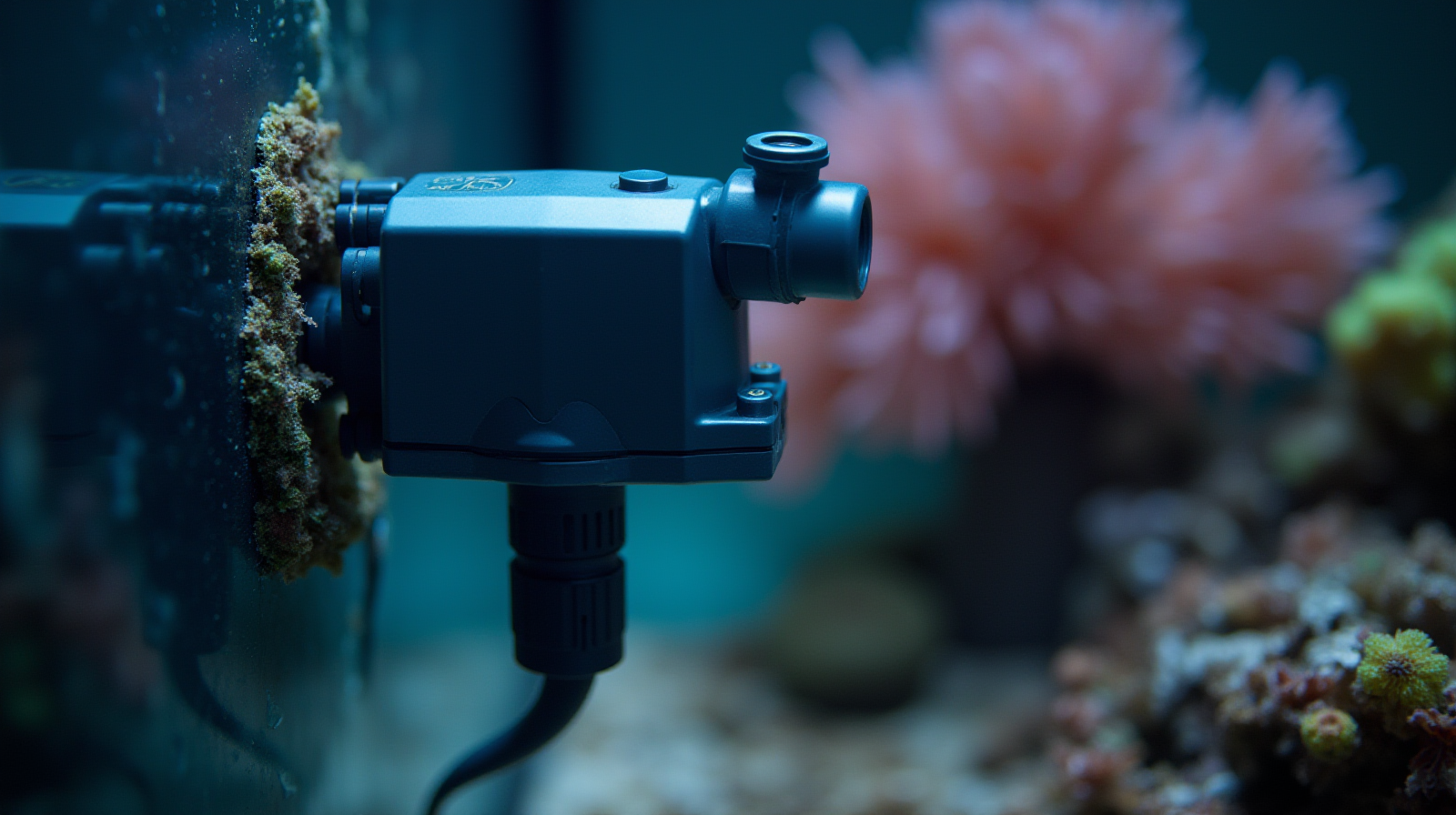
Sometimes you’ll test your water and see numbers that just don’t make sense—maybe a sudden drop in Alkalinity or a spike that makes you want to throw the test kit across the room. This is where it gets frustrating, but it’s usually just a sign of an imbalance somewhere else. For example, a sudden drop in Alk might mean your corals are growing faster than expected or your nitrate levels are spiking. I’ve had plenty of days where my readings were wonky because of old test reagents or dirty test tubes. When things get weird, the first thing I do is re-test with fresh supplies before I panic and dump a bunch of chemicals into the tank. Don’t react to one bad test; look for a trend over three or four tests. If you see a steady slide downward over a week, that’s when it’s time to adjust your routine.
A Quick Check List Before You Dose Anything.
Before you grab a bottle and start pouring anything into your reactor or dosing pump, take a breath and follow a simple process. It prevents “panic dosing,” which is the fastest way to mess up your chemistry. I always recommend this sequence:
- Verify your tools: Use fresh reagents and clean test tubes for every reading.
- Establish a trend: Check if today’s number is an outlier or part of a downward/upward slide over several days.
- Check related parameters: Look at your pH, nitrates, and phosphates to see if they correlate with the shift in Ca or Alk.
- Calculate the move: Don’t try to fix a week’s worth of drop in one day. Aim for a small, manageable increase that gets you back into your target range over 24-48 hours.
If you aren’t sure what those numbers mean for your specific setup, I can help walk through the math and the logic behind it with our online tools.
Source: Reefs.com
Get new newsletter issues, guides, and product updates by email.