
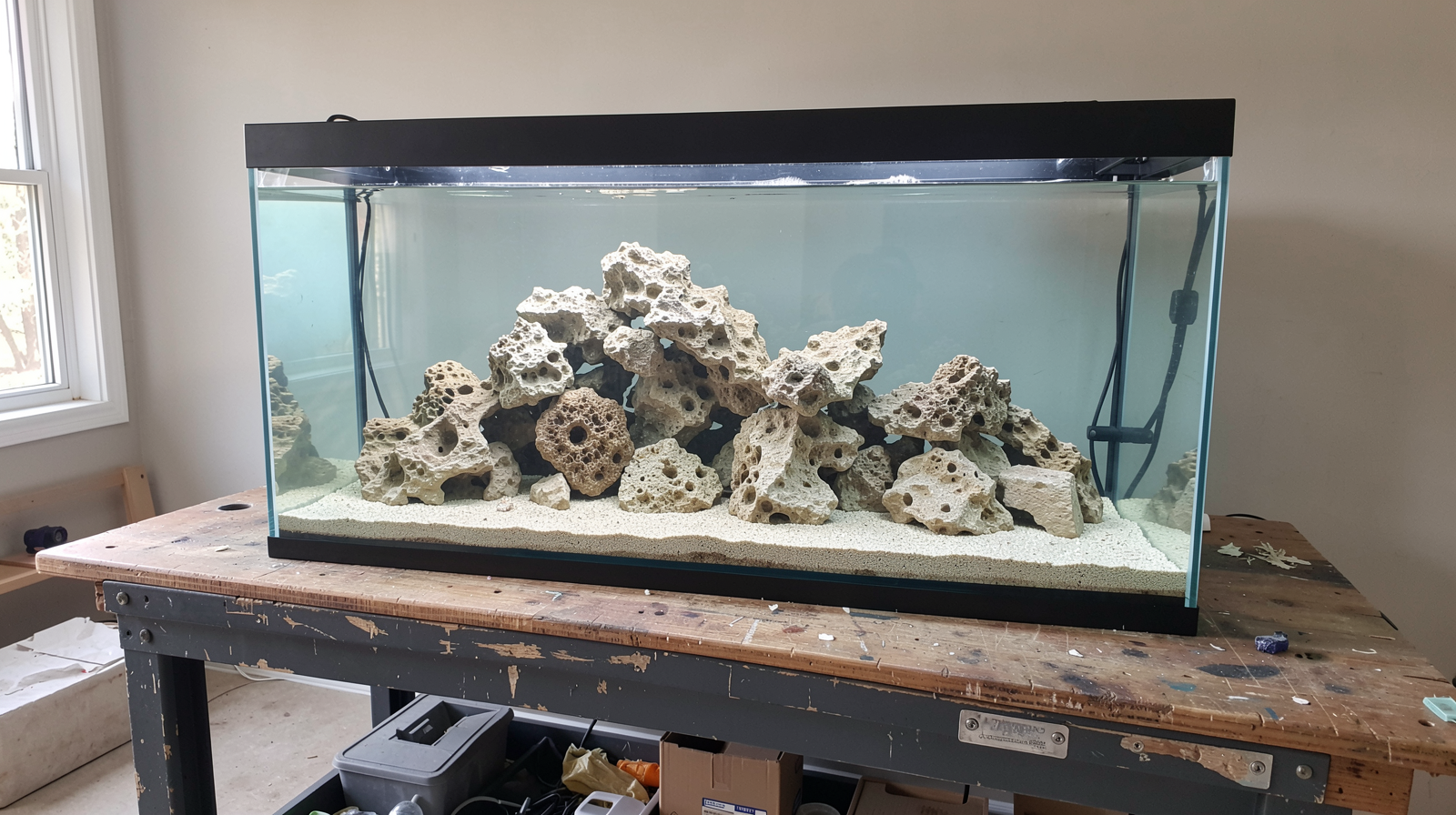
Getting Your Saltwater Tank Started: The Cycling Guide
Written by Diamond Dave — November 3, 2026
How to build the bacterial foundation before you add a single piece of livestock.
The newsletter for beginner reef keepers who want their tank inhabitants to survive past week one.
Before we even think about adding salt
One of the biggest mistakes I see people make is rushing to get their “ocean” set up by just mixing some salt into a bucket and putting it in a tank. If you want a stable reef or marine setup, you have to start with the foundation: your water source. You can’t just use tap water; the minerals and chlorine in city water will mess with your chemistry before you even get started.
Before I even touch a bag of salt, I make sure my RO/DI system is dialed in. This ensures your base water is pure so that when we add our sea salt, it’s actually what we think it is. You also need to have your hardware ready—your heater, your flow and filtration—running for at least a day or two just to make sure everything works without leaking. It feels like a lot of prep work before you see a single fish, but skipping these steps usually leads to headaches three months down the road when things start crashing.
The actual cycling process: Getting the bacteria to work
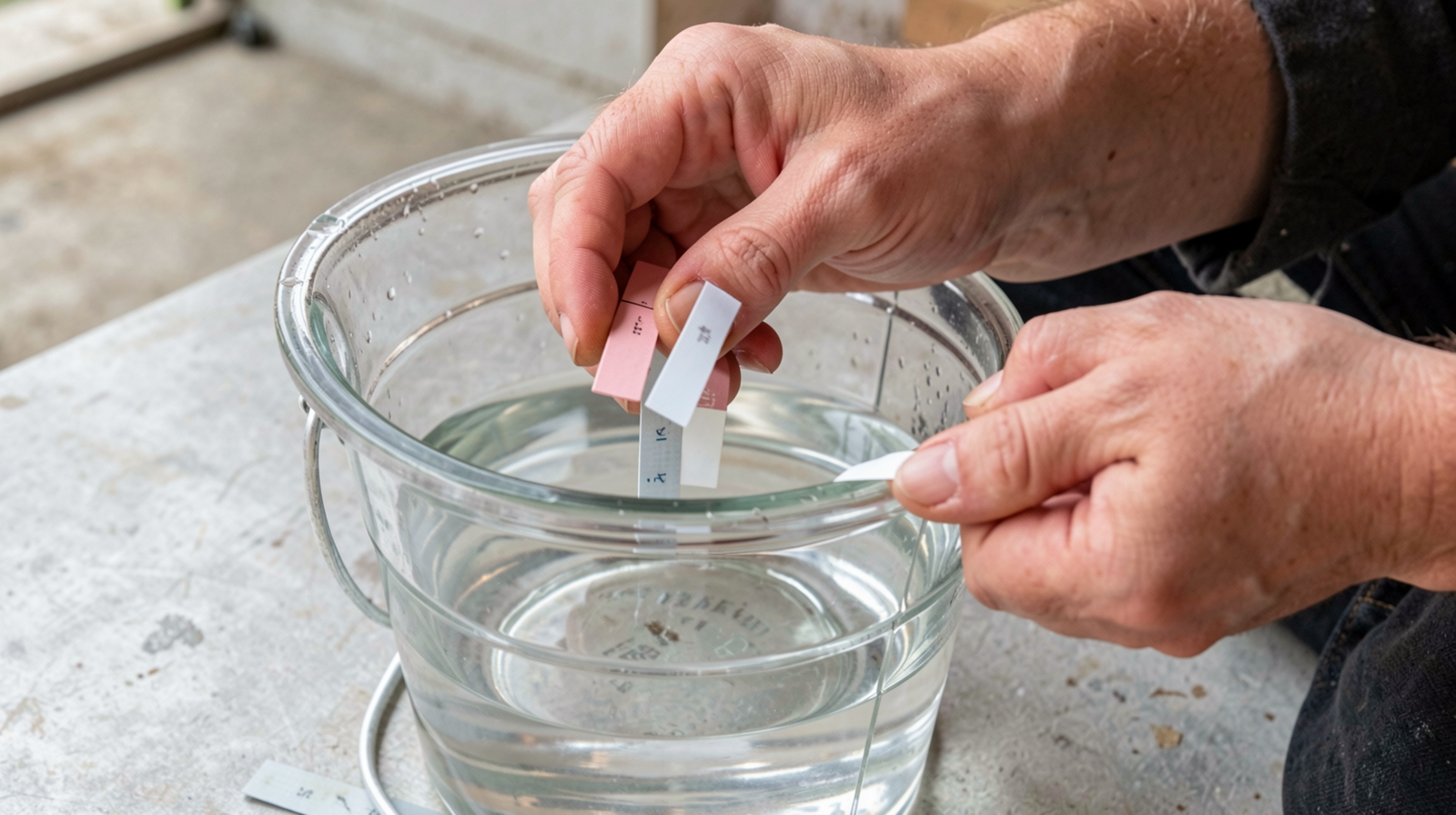
Once your water is mixed and the equipment is humming, we have to “cycle” the tank. This is just a fancy way of saying we need to grow a colony of beneficial bacteria that live in your filter and on your rocks. Since we aren’t putting fish in yet (which would be risky), we use the fishless method.
I usually start by introducing a source of ammonia into the system. You can do this with a small amount of pure ammonia or even some high-protein fish food left to rot in a small container inside the tank. The goal is to give those bacteria something to eat so they can multiply. Every few days, you’ll take your test kit and check the levels. You aren’t looking for “perfect” water yet; you are trying to build an ecosystem. It takes patience—sometimes weeks depending on your temperature and surface area—but it’s the most important thing you do in this hobby.
What we are actually looking for? (Ammonia, Nitrite, Nitrate)
If you don’t have a test kit yet, get one before you start this process. You need to track three specific things as they move through your cycle. Think of it like a relay race where the “baton” is being passed from one group of bacteria to the next.
- Ammonia: This is the primary waste. It’s toxic to almost everything. In a healthy cycle, this should eventually hit zero.
- Nitrite: The first group of bacteria eats ammonia and turns it into nitrite. Nitrite is still very dangerous for fish, so we want to see this number drop as well.
- Nitrate: This is the final byproduct. It’s much less toxic in small amounts but can cause algae growth if it gets too high.
Your goal is a “completed” cycle where ammonia and nitrite stay at zero, even while you have an ammonia source present. When that happens, your biological filter is officially ready to handle waste from actual livestock.
When things go sideways: Common stalls and mistakes
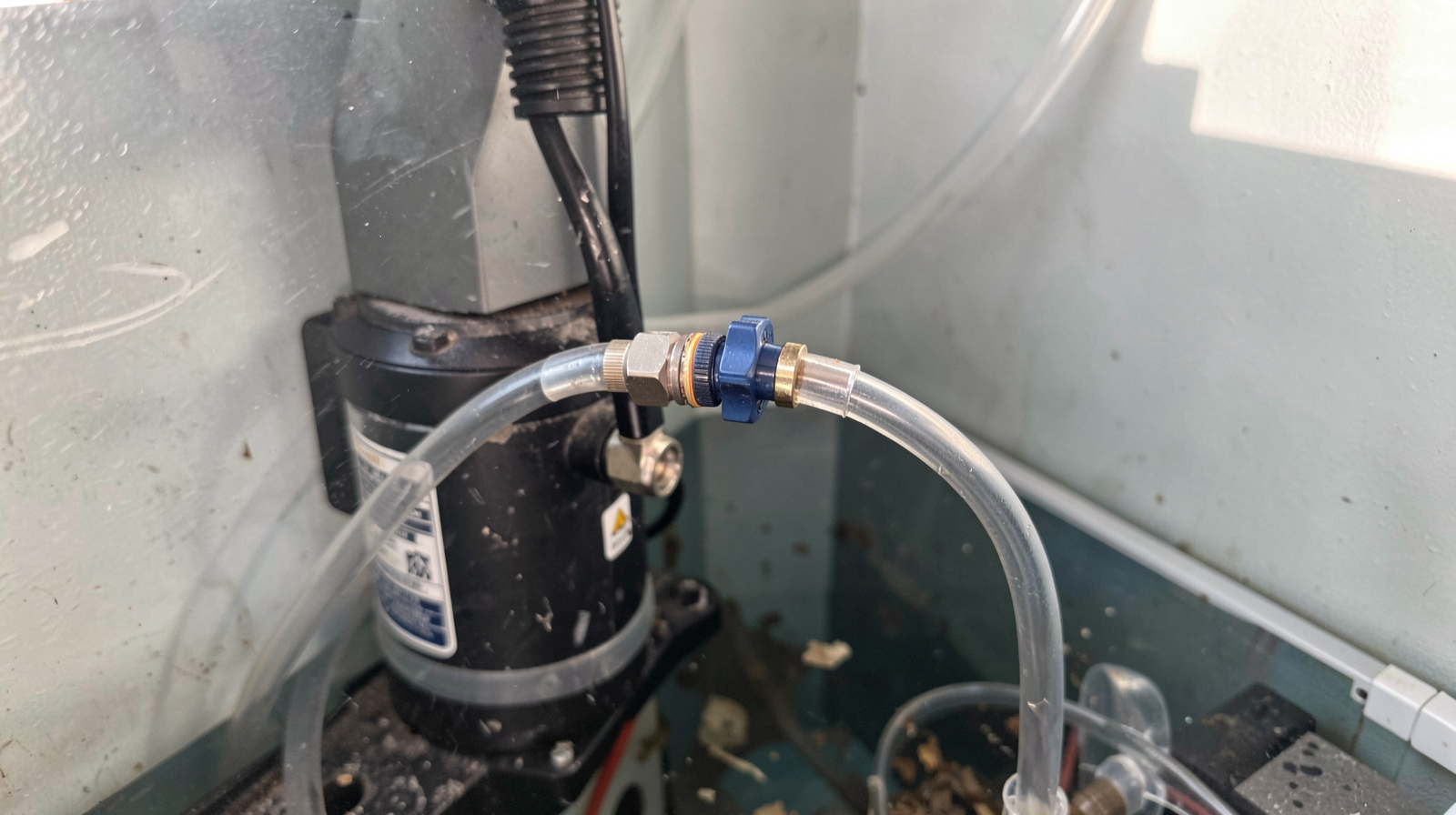
It’s very common for the cycle to stall out. I’ve seen tanks get stuck on high nitrites for a long time, or sometimes nothing changes at all for ten days straight. If your ammonia isn’t dropping, it usually means there isn’t enough surface area or oxygen for the bacteria to thrive. Check your flow; if the water is stagnant in some corners, those bacteria can’t do their job.
Another thing that trips people up is “over-cleaning.” If you are scrubbing every inch of the rocks and filter media with soap or heavy chemicals during the cycle, you might be killing off the very colonies you’re trying to build. Also, don’t panic if you see a brown film on your rocks—those are diatoms. They show up in almost every new saltwater setup as the water chemistry stabilizes. It’s not a sign of failure; it’s just part of the process.
The big moment: When it’s finally safe to add things
I know it’s tempting to grab that first clownfish and get them into the tank, but you have to wait for the numbers to stay steady. You are ready when your ammonia and nitrite tests both come back as zero (or as close to it as your kit allows) for at least a week straight while there is still a source of waste in the system.
Before that first fish goes in, do one final check on your nitrate levels. You want them at a manageable level—usually under 20ppm or 40ppm depending on how much live rock you have. Once those numbers are stable, you can start with “hardy” livestock. Don’t go for the sensitive stuff first; start with something that can handle a slight fluctuation while your new inhabitants settle in. Take it slow, watch your parameters daily, and let the tank adjust to its new residents.
Source: AquaticRig
Get new newsletter issues, guides, and product updates by email.