
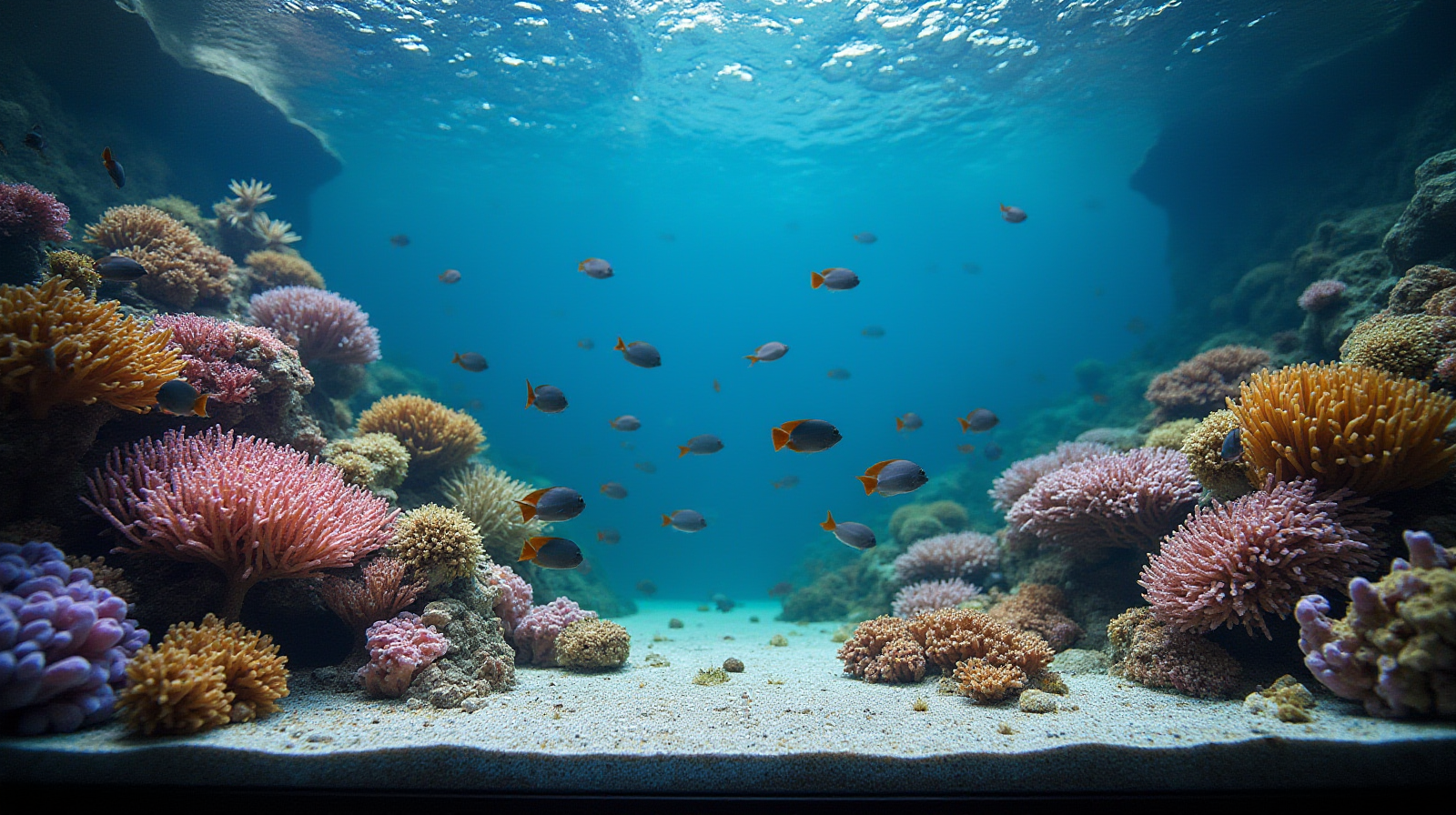
Getting Your Water Right: Understanding RO/DI for Corals
Written by Diamond Dave — October 16, 2026
Why just swapping out the dechlorinator isn't enough when keeping sensitive reef critters.
The newsletter for intermediate to advanced reef keepers who want their stony corals thriving without accidentally poisoning them with tap water chemistry.
Before you buy anything: What are we actually trying to fix?
If you’re running a freshwater setup with hardy fish like tetras or goldfish, your tap water—once treated with a standard dechlorinator—is usually more than enough. But once you move into the reef side of things, the rules change. Corals and delicate invertebrates aren’t just sensitive to chlorine; they are sensitive to everything else dissolved in that water.
Tap water often contains nitrates, phosphates, heavy metals, and minerals from local ground sources or municipal treatments. While these might not hurt a hardy fish immediately, they can cause “invisible” problems for corals over time. High levels of organics can lead to algae blooms, while inconsistent mineral content can stress out more sensitive species. Think of it like cooking: if you’re making something simple, tap water is fine. If you’re trying to make something delicate and high-quality, you want the purest ingredients possible. We use RO/DI because we want to start with a “blank slate” so that when we add our own minerals back in, we know exactly what’s in the tank.
The Basics of RO/DI—What’s the deal with pure water?
The term can sound intimidating, but it’s really just about filtration layers. Reverse Osmosis (RO) is a process where water is pushed through a semi-permeable membrane. Think of it like an incredibly fine sieve that catches almost everything except the water molecules themselves.
When you add “DI” to the mix—Deionization—you’re adding a final stage that strips out any remaining ions. The result is something very close to pure H2O. It doesn’t taste like much, and it doesn’t have many minerals in it at all. For us hobbyists, this purity is a tool for control. If your source water has “junk” in it, an RO/DI system strips that junk out before it ever touches your reef tank. By starting with pure water, you eliminate the guesswork of trying to manage what your local municipality decided to put into the pipes today.
Where do we use this? When is it overkill vs. necessary?
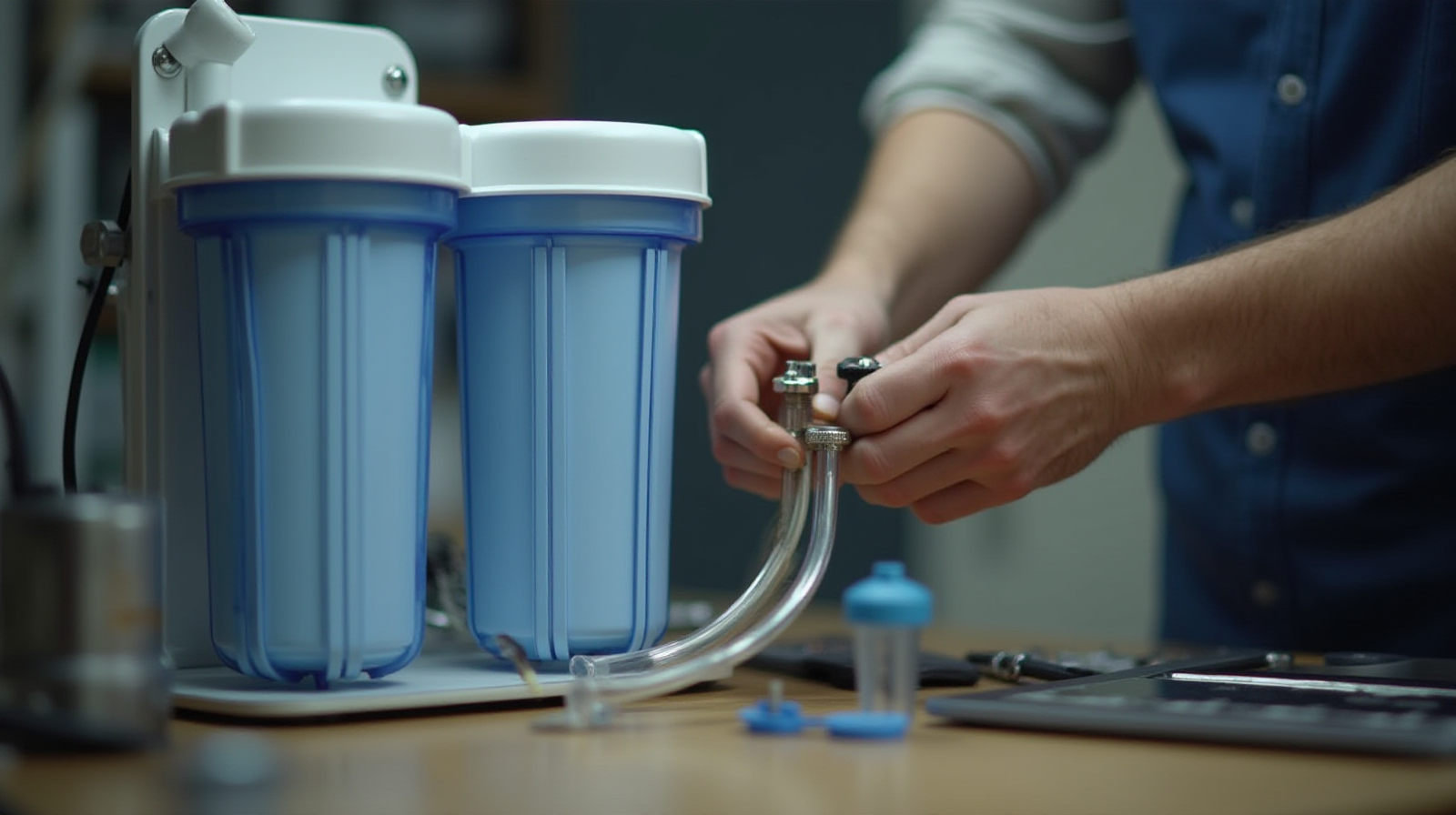
I get asked a lot if they need an RO/DI system for every single tank they own. The honest answer is: it depends on who lives in the water.
- Freshwater Tanks: Generally, you don’t need a full RO/DI setup unless you are keeping very specific, high-end species or have extremely poor local water quality.
- Marine/Reef Tanks: This is where it becomes almost essential. Corals and certain invertebrates (like shrimp) are much more sensitive to the impurities found in tap water.
If you’re just starting out with a saltwater system, I’d recommend getting an RO/DI source for your main reef tank. It saves you from constant headaches regarding algae spikes or mineral imbalances that can stall coral growth. If you have multiple freshwater tanks and only one reef tank, you don’t need three different systems; you just need enough pure water to keep the “sensitive” side of your hobby running smoothly.
Putting it into practice: Connecting your system safely.
Once you have an RO/DI unit, you don’t just hook a hose up and pour it straight into your reef tank. Because the water is so pure, it’s essentially “empty.” If you used only RO/DI water to mix your salt, your alkalinity and calcium levels would be off because those elements are stripped away during the filtration process.
The standard way I handle this is using the RO/DI output as my base. You’ll typically run a line from your unit into a mixing bucket or a dedicated “top-off” reservoir. When it’s time to mix salt, you use the pure water as the base for your concentrated brine. For daily top-offs (replacing water lost to evaporation), you use the RO/DI water directly. This ensures that every drop of new water entering your system is clean and consistent, rather than relying on whatever the city’s treatment plant produced this morning.
What am I missing? Common pitfalls to avoid right out of the gate.
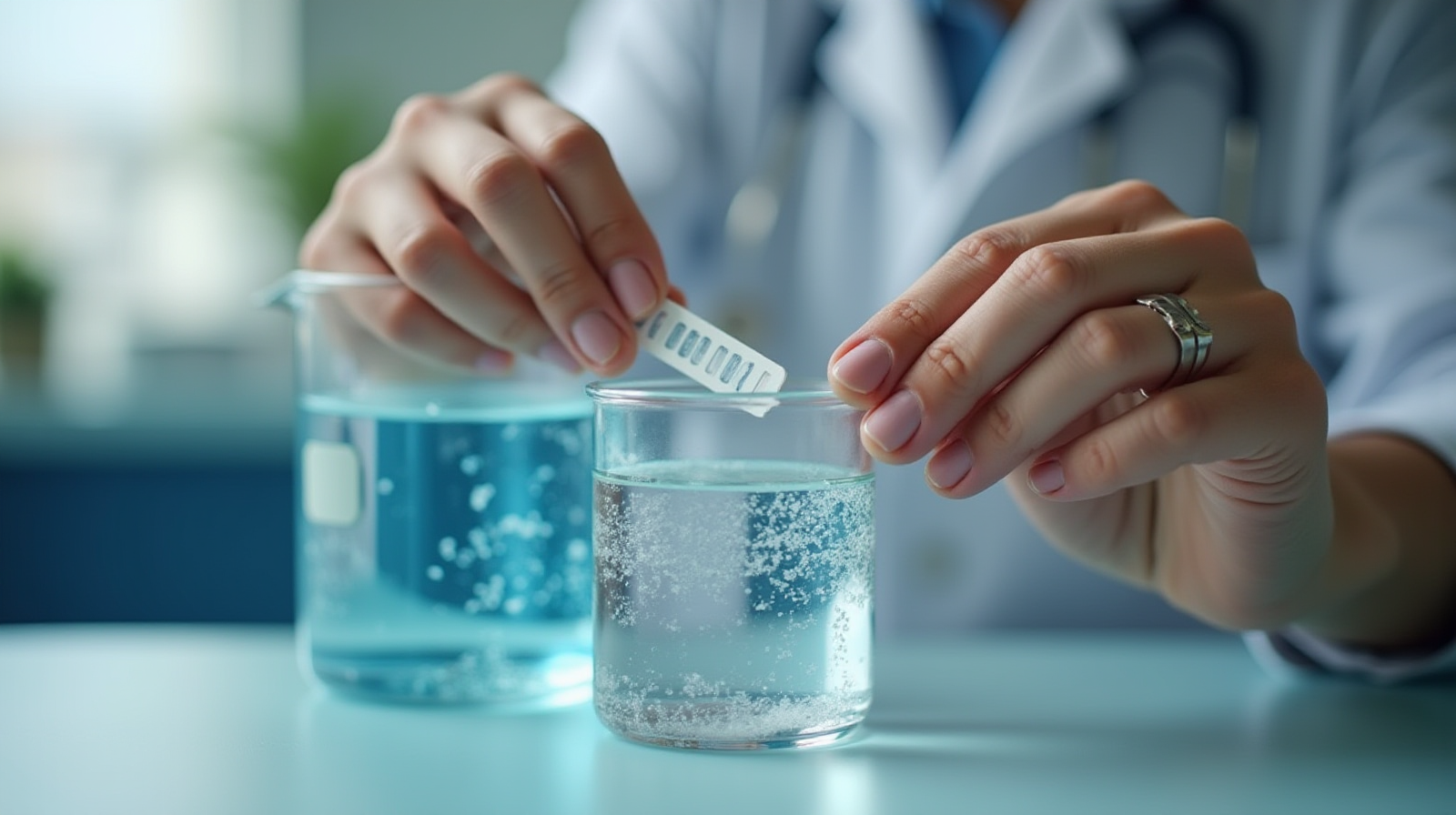
One of the biggest mistakes I see folks make is assuming “pure” means “perfect.” Because RO/DI water lacks minerals entirely, you have to be mindful of your chemistry. If you find yourself using a lot of RO/DI for top-offs in an ultra-low-mineral system, you might need to occasionally check your levels just to make sure they haven’t drifted too low over time.
Another common pitfall is neglecting the maintenance of the unit itself. An RO membrane isn’t a “set it and forget it” piece of equipment. If your pre-filters get clogged with sediment or if the membrane starts to fail, the quality of your water will drop significantly without you noticing right away. It’s worth checking your TDS (Total Dissolved Solids) readings regularly. If that number starts creeping up over weeks or months, it’s a sign that your filters need swapping before the “bad” stuff makes it into your reef tank.
The takeaway checklist for next time you fill up:
Before you jump into buying heavy equipment or changing your entire workflow, take a moment to look at what you actually need based on your goals. Use this list as a guide when deciding if it’s time to add an RO/DI system to your setup:
| Goal / Scenario | Is RO/DI Recommended? | Why? |
|---|---|---|
| Standard Community Fish Tank | Optional | Tap water + dechlorinator is usually sufficient. |
| High-End Saltwater Reef | Highly Recommended | Removes organics and heavy metals that stress corals. |
| Automated Top-Off (ATO) | Recommended | Ensures consistency in your mineral levels daily. |
| Mixing New Salt Batches | Essential | Provides a “blank slate” for accurate chemistry. |
If you’re ready to move forward with getting your water right, I recommend checking out our guide library to see how we handle specific salinity and alkalinity adjustments after using RO/DI water.
Source: AquaticRig
Get new newsletter issues, guides, and product updates by email.