Keeping Our Tanks Clean: Dealing with Ocean Trash at Home
Written by Diamond Dave — October 20, 2026
What finding pollution on a beach means for your local saltwater setup.
The newsletter for reef keepers who want their tanks to be as clean and healthy as the water they are supposed to mimic.
So what are we even talking about?
When people hear “ocean trash,” they usually think of big pieces of plastic floating around a beach. While that’s part of it, for those of us keeping saltwater systems at home, the issue is much smaller and more persistent. It’s about how human waste—from large debris down to tiny particles we can barely see—enters the water cycle. This stuff doesn’t just stay in the ocean; it moves through the food chain. In a reef tank, this matters because even though we are using treated saltwater or RO/DI systems, the health of our fish depends on a stable environment. When pollution levels rise globally, it affects the breeding and survival of the species we love to keep. I’m not trying to spook you into thinking your local tank is a ticking time bomb, but it does mean we have to be more mindful about how we manage our own water sources and understand the pressures these fish face in the wild.
What’s actually coming into our local water? (And why it matters in your tank)
The biggest issue isn’t usually a piece of plastic floating past your intake; it’s microplastics and chemical runoff. These are tiny particles that can get caught in the gills of fish or absorbed by small invertebrates like shrimp and snails. In a home aquarium, we control our water much more strictly than the ocean does, but understanding what happens “out there” helps us appreciate why high-quality filtration is so important for long-term health. When pollutants enter wild ecosystems, they can cause stress to fish, making them less resilient to changes in temperature or salinity.
Specifically, these types of contaminants often include:
- Microplastics (tiny fragments that mimic food)
- Heavy metals from industrial runoff
- Agricultural chemicals and fertilizers
- Residual oils and petroleum products
While our RO/DI systems filter out most of the “scary” stuff before it hits your tank, knowing these risks helps us realize why maintaining a stable biological balance is the best defense against any environmental stress.
Cleaning up our backyard: Practical steps for aquarium owners
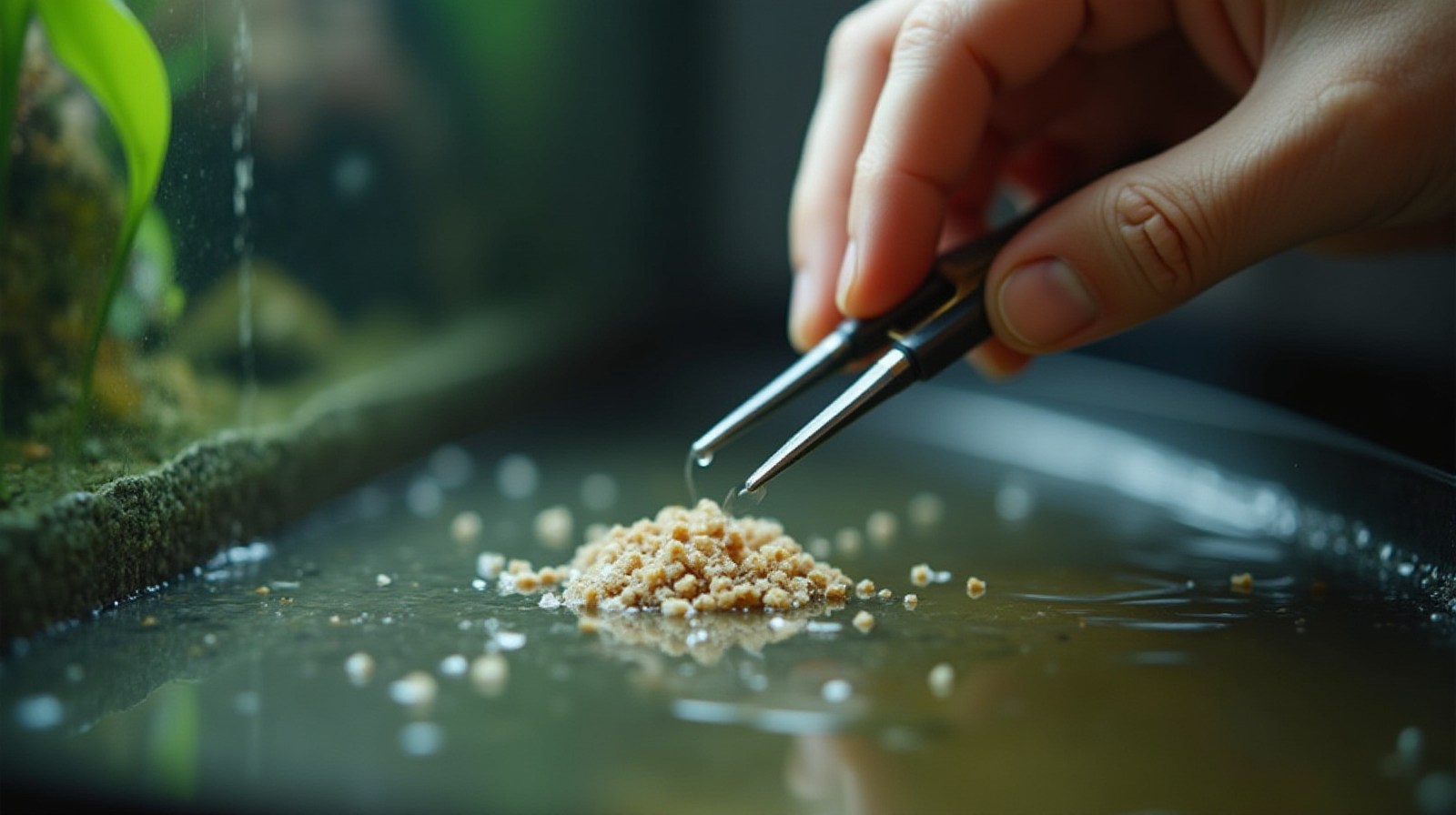
Since we can’t personally clean the entire ocean, our job is to manage what happens in our own “backyards”—which includes our living rooms and backyards where tanks sit. If you have a large outdoor setup or just want to be proactive about your home’s footprint, there are practical steps you can take. First, always use high-quality filtration systems that specifically target particulates; if your water is clean enough for a healthy reef in the wild, it’ll be much easier to manage at home.
Secondly, be mindful of what goes into your local drainage system. If you have a backyard and use fertilizers or pesticides on your lawn, try to keep them away from areas where runoff could enter local creeks or storm drains. Every bit of chemical we keep out of the groundwater eventually makes it easier for us to maintain “clean” water sources. For those who want more control over their specific flow patterns or intake points in a larger setup, I’ve found that custom 3D-printed components can help direct and manage water movement more precisely than some off-the-shelf parts.
Beyond the tank: Being good neighbors to local waterways
Being a responsible hobbyist means looking past our glass walls. When we talk about being “good neighbors,” it means making choices that protect the source of life for these animals. For example, when you are doing routine maintenance and need to dispose of old water or waste, never dump it into storm drains or onto your lawn where it can run off. These systems often lead directly to local streams and rivers without any treatment.
We can also make a difference by reducing our personal use of single-use plastics. It sounds like a big leap from a fish tank, but every piece of plastic we keep out of the waste stream is one less piece that could end up in an ocean current or a riverbed. By being mindful of how we handle chemicals and waste at home, we contribute to a cleaner environment for everyone—both our local community and the global marine environments these species call home.
The ‘What If’ checklist for hobbyists doing cleanups?
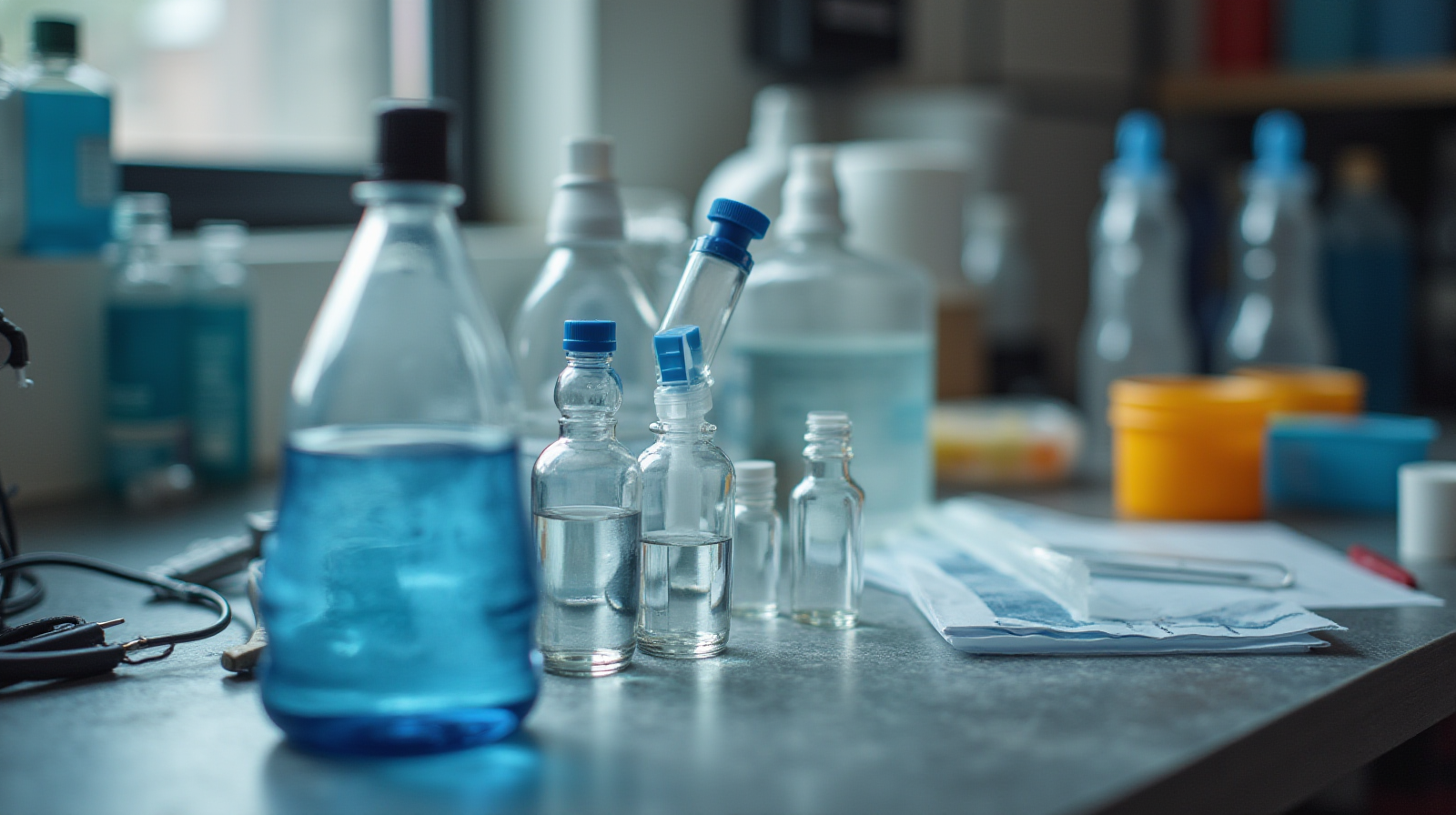
Sometimes, the best way to appreciate the ocean is to get out there and see it for yourself. Whether you are participating in a beach cleanup or just spending time near a local lake or river, it’s important to stay safe while dealing with potential waste. If you find yourself near water where pollution might be an issue, keep these practical tips in mind:
| Situation | Action / Warning |
|---|---|
| Sharp Objects | Use heavy gloves; rusted metal or broken glass is common in debris piles. |
| Chemical Smells | If you smell gasoline or chemicals, move upwind and do not touch the area. |
| Unknown Fluids | Never touch unknown liquids or “sludge” near industrial zones or drainage pipes. |
| Biological Risks | Avoid contact with stagnant water where blue-green algae or bacteria may thrive. |
| Personal Protection | Wear sturdy boots and gloves to protect against both debris and sharp objects. |
If you ever find yourself unsure about a piece of “trash” or an area that looks contaminated, the best move is to leave it alone and report it to local authorities rather than trying to handle it yourself. Safety first always keeps us in the game for longer.
Source: Reefs.com
Get new newsletter issues, guides, and product updates by email.