
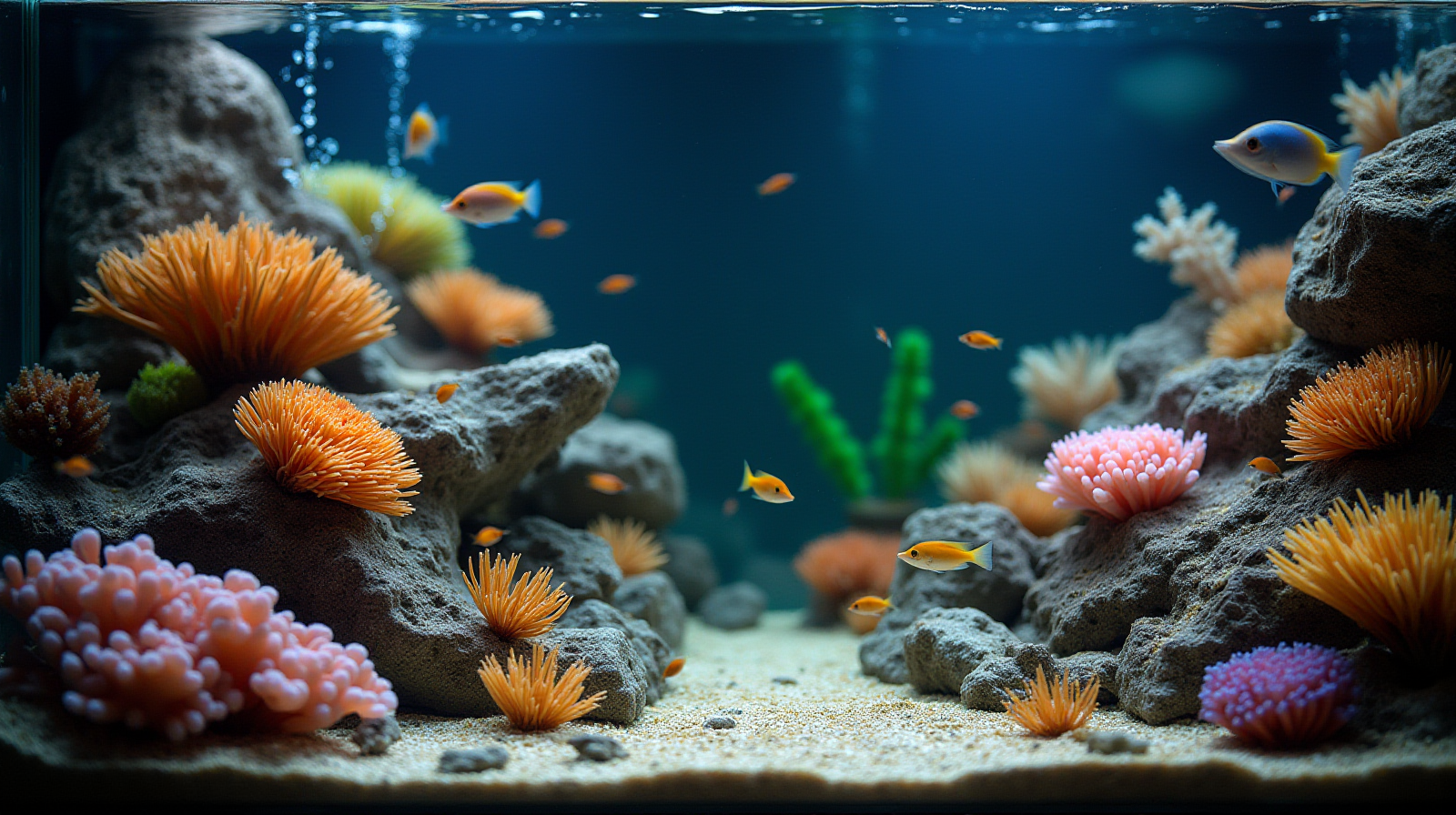
Keeping Seahorses and Deep-Sea Fish in Your Living Room Tank
Written by Diamond Dave — October 17, 2026
A practical guide for making sensitive niche species thrive in a stable home setup.
The newsletter for established marine hobbyists who want to safely house delicate or unusual ocean residents.
Before you buy: Are your current tanks ready for the deep end?
If you’re looking at seahorses or more “exotic” species like ribbonfish (often called needlefish in some contexts), I want to start with a bit of honest truth. These aren’t just another pair of hardy fish that can handle a standard reef setup and still thrive. They are sensitive, and they don’t have the same “buffer zone” for mistakes that a clownfish or a tang might have. Before you head out to buy any specialized livestock, you need to look at your current system’s stability. Are your parameters rock-steady? For these types of animals, even small swings in nitrate levels or sudden temperature spikes can be the difference between success and a loss. You should have a solid grasp on your nitrogen cycle and consistent water chemistry before adding anything that isn’t “hardy.” If you aren’t 100% confident in your ability to maintain stable parameters daily, it’s better to stick with more common reef species for now while you master the basics of advanced stability.
Seahorses 101: More art than animal sometimes.
Seahorses are beautiful, but they behave very differently than most fish. They aren’t swimmers in the traditional sense; they are “drifters” that rely on staying put and moving slowly along structures. Because of this, your tank layout needs to account for their unique movement—or lack thereof. They need plenty of vertical structure (like tall pieces of live rock or specialized branches) so they can anchor themselves. One thing people often overlook is the social dynamic; specifically, in many species, it’s the males that carry the young. If you’re keeping a pair, you have to consider how their behavior changes during breeding cycles and ensure they have enough “territory” within the tank to feel secure. They are peaceful creatures, but they need an environment where they don’t have to fight heavy currents or constantly swim against high-flow nozzles just to stay in one spot.
The Deep Sea Factor: Keeping things low-key for ribbonfish
When we talk about deep-sea species like ribbonfish (or other elongated needle-like fish), the challenge isn’t necessarily recreating the crushing pressure of the abyss—that’s impossible in a home tank. Instead, it’s about mimicking the conditions they are used to: stability and specific flow dynamics. Many people think “deep sea” means no movement at all, but many of these species actually prefer very consistent, low-velocity currents that mimic deep ocean currents rather than crashing waves. You also have to be careful with your lighting and temperature; high-intensity lights intended for reef corals can be too much for some deeper-dwelling fish. The goal is a “calm” environment. Think about using specific zones in the tank where the flow is dampened, allowing them to rest without being tossed around by powerheads.
Water chemistry checkup: The non-negotiables.
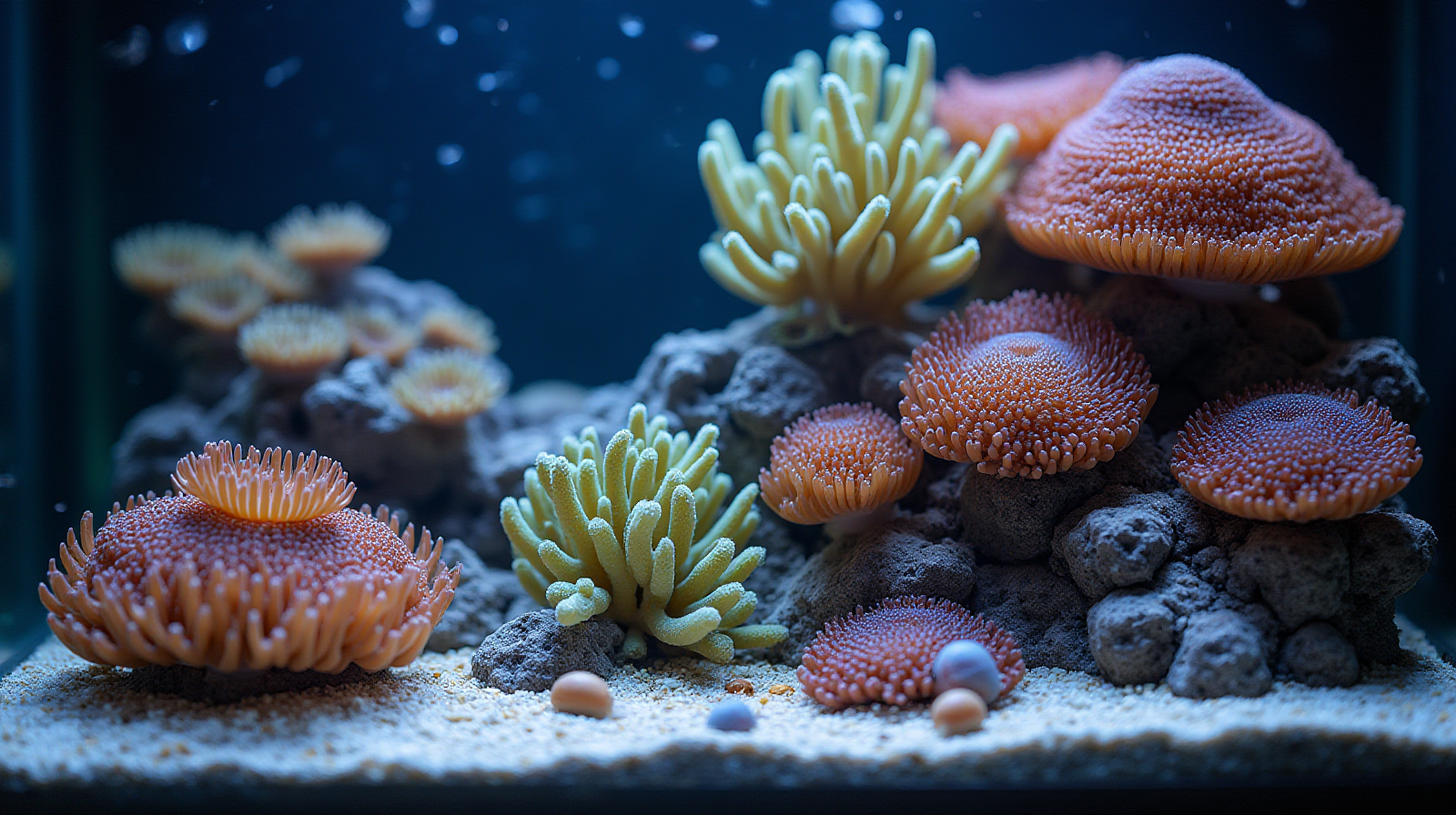
If you decide to move forward with these specialized species, your water chemistry needs to be dialed in much more tightly than a standard community tank. You can’t just “set it and forget it.” For many of the sensitive fish we discussed, stability is the most important factor. Here are some things I keep an eye on when moving into advanced husbandry:
- Alkalinity (kH): Must remain extremely stable to prevent pH swings.
- Calcium: Crucial for skeletal structures and general health in many marine species.
- Nitrates/Phosphates: These should be kept as low as possible, but consistent. Spikes are often more dangerous than a slightly higher baseline.
- Temperature: Even a two-degree jump can stress these fish significantly.
I recommend testing your parameters at least twice a week during the transition period to ensure nothing is drifting outside of your target range.
Space planning for specialized critters
Not every tank layout works for every inhabitant, and seahorses are a prime example of this. Because they move so slowly, you need “stations” in your tank—places where they can hover or attach themselves without being constantly buffeted by water movement. This means adding more complex textures to your rockwork. For deep-sea types like ribbonfish, the opposite might be true; they often benefit from longer, horizontal lines of sight and areas with very gentle flow patterns.
- For Seahorses: Use textured “branch” work or heavy live rock piles where they can grip onto surfaces.
- For Ribbonfish/Needlefish: Create zones with low-velocity water so they aren’t constantly struggling against the current.
When you’re designing your scape, think about whether a fish needs to hide in a crevice (like a seahorse) or if it just needs a clear path and steady flow (like many elongated species).
The ‘Oops’ moments: Common mistakes with rare imports

The biggest mistake I see people make with these types of “specialty” fish is over-eagerness. When you get something rare, it’s tempting to throw in lots of food or try to move them into a new tank quickly. With seahorses, the most common issue is actually feeding; they are slow eaters and can easily be overwhelmed by too much food, which then decays and spikes your ammonia levels. For deep-sea species, the “Oops” moment is often related to flow—using a high-flow pump that works great for reef fish but creates a “washing machine” effect for them. Another common pitfall is failing to acclimate slowly enough. These fish are adapted to very specific environments; any sudden jump in salinity or temperature during the move from the bag can be fatal. Take your time, use a slow drip acclimation system, and let them settle into their new home gradually.
Source: Reefs.com
Get new newsletter issues, guides, and product updates by email.