
Keeping Things Balanced: Low-Effort Paludarium Setup Tips
Written by Diamond Dave — October 5, 2026
How to build a mixed salt/freshwater setup that runs itself with natural processes.
The newsletter for ambitious tank builders who want stability without constantly dosing chemicals or wrestling nutrient spikes.
Starting Simple: Why ‘Natural’ Doesn’t Mean ‘Easy’
If you’re looking for a “set it and forget it” hobby where you just plug in a light and walk away, a paludarium might not be your first choice. I want to be clear from the jump: building a system that mimics nature is rewarding, but it isn’t easy. When we talk about “low-effort,” I don’t mean zero effort; I mean creating a stable environment where biology does the heavy lifting so you aren’t constantly dosing chemicals or scrubbing algae off every surface.
The complexity here comes from trying to balance two different ecosystems in one footprint—freshwater and saltwater zones. Because these environments have different requirements for minerals, salinity, and chemistry, getting them to coexist peacefully takes a lot of front-end work. You have to get the initial setup right so that the system can stabilize on its own. It’s about building a robust foundation now so you don’t have to fight your own tank every weekend later on.
The Real Engine Room: Letting Macroalgae Do the Work
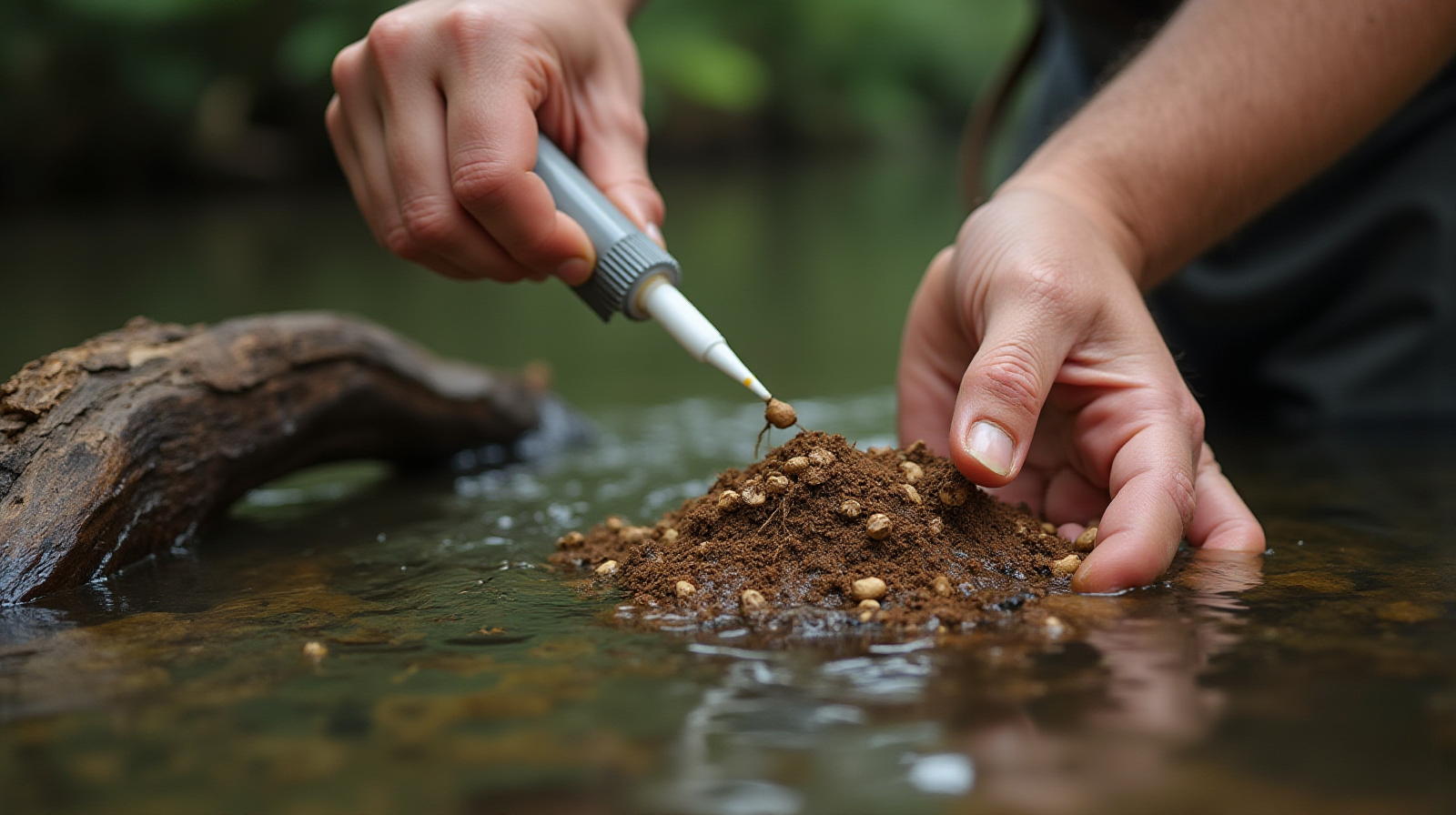
One of the biggest mistakes I see people make is trying to keep their water clean through mechanical filters and chemical additives alone. In a paludarium, we want to lean on biology instead. This is where macroalgae come in. Think of them as your primary “clean-up crew.” Instead of you having to test for nitrates and phosphates every three days and adding a chemical binder when they spike, healthy macroalgae will soak those nutrients up as part of their growth cycle.
By establishing a healthy population of these larger algae species, you create a natural nutrient sink. They compete with the nuisance “hair” algae that usually plagues high-nutrient systems. When your plants are hungry for minerals and nitrates from fish waste or decaying organic matter, they take it in. It’s much more stable than a chemical cycle because as long as the light and water flow are consistent, the plants will keep doing their job.
Bridging Two Worlds: Crossing Over Chemicals and Life
The trickiest part of a paludarium is managing the transition zone where freshwater meets saltwater (or brackish) conditions. You can’t just have a hard line where one ends and the other begins if you want it to be stable; you need a gradient. I prefer using natural transitions rather than aggressive dosing schemes. This means utilizing specific substrates or rock types that naturally buffer the change, and planting hardy species in the “middle ground” that can tolerate fluctuating salinity levels.
To manage this without constant manual intervention, focus on these three areas:
- Gradual Salinity Zones: Create a physical transition where salt concentration slowly decreases as it moves toward the freshwater side.
- Root Zone Stability: Use specific minerals or root tabs in the terrestrial/fresh water zones to provide nutrients without letting them leach into the saltwater side and cause blooms.
- Hardy “Bridge” Species: Select plants that naturally inhabit estuaries or marshes, as they are much more forgiving of fluctuating environments than specialized reef or pond plants.
Watch Out For These Common Pitfalls (The Stuff that Kills Hopes)
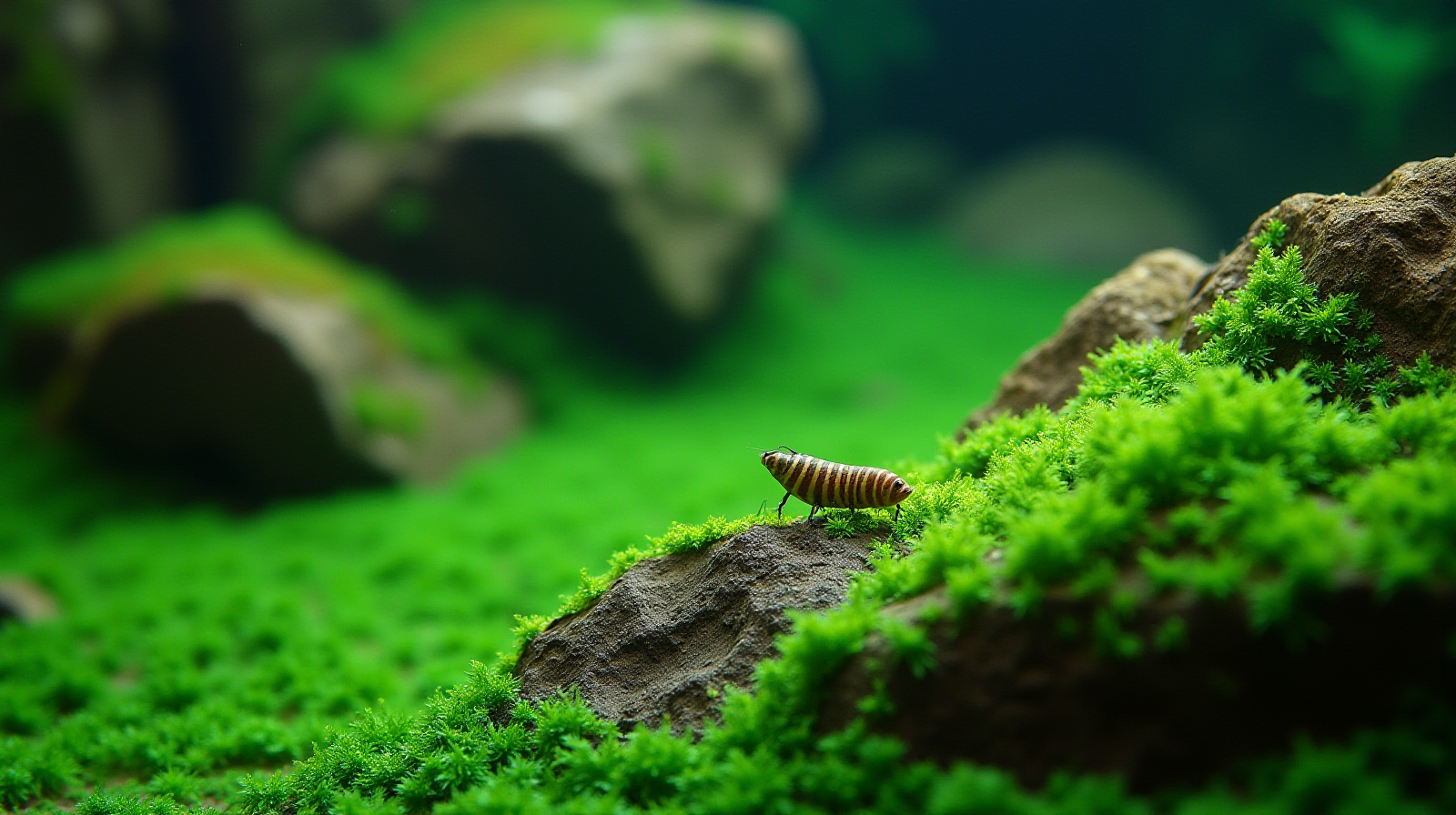
There are a few common traps I’ve seen many hobbyists fall into when trying to build these mixed systems. The most common is improper substrate layering. If your freshwater and saltwater substrates aren’t properly separated or capped, the minerals from one side will bleed into the other, potentially crashing the chemistry for your more sensitive livestock. Another big mistake is over-fertilizing the terrestrial section; if you dump too much “growth” product in to make the land plants pop, it washes into the water and causes a massive algae explosion that no amount of scrubbing can fix easily.
Lastly, many people try to change salinity levels too quickly when they are troubleshooting. If your fish are struggling or your plants look stressed, don’t jump to extreme changes. Sudden spikes in salt or minerals will shock the system and kill off the very organisms you need for a stable bio-balance. Consistency is what keeps the “low-effort” part of this hobby alive.
Building a Maintenance Routine: Observation Over Action
Once your paludarium is established, your role shifts from “mechanic” to “observer.” In my experience, the best way to manage these systems is by looking for trends rather than reacting to every minor fluctuation in a single test. You shouldn’t be adjusting things daily because of one high reading; you should be checking weekly to see if numbers are creeping up or down over time. If your nitrates are slightly higher today but were lower last week, that’s an observation. If they have been steady for a month, your system is balanced.
Your checklist for a healthy, low-maintenance paludarium should look something like this:
- Visual Health: Are the macroalgae growing? Is there any new “fuzzy” algae appearing on rocks?
- Movement Patterns: Are the fish and invertebrates moving naturally through both zones?
- Water Clarity: Is the water staying clear without constant filter cleaning?
- Plant Growth: Are the transition plants showing new leaves or growth?
By focusing on these observations, you can spot a problem before it becomes an emergency.
Source: Reef Builders
Get new newsletter issues, guides, and product updates by email.