
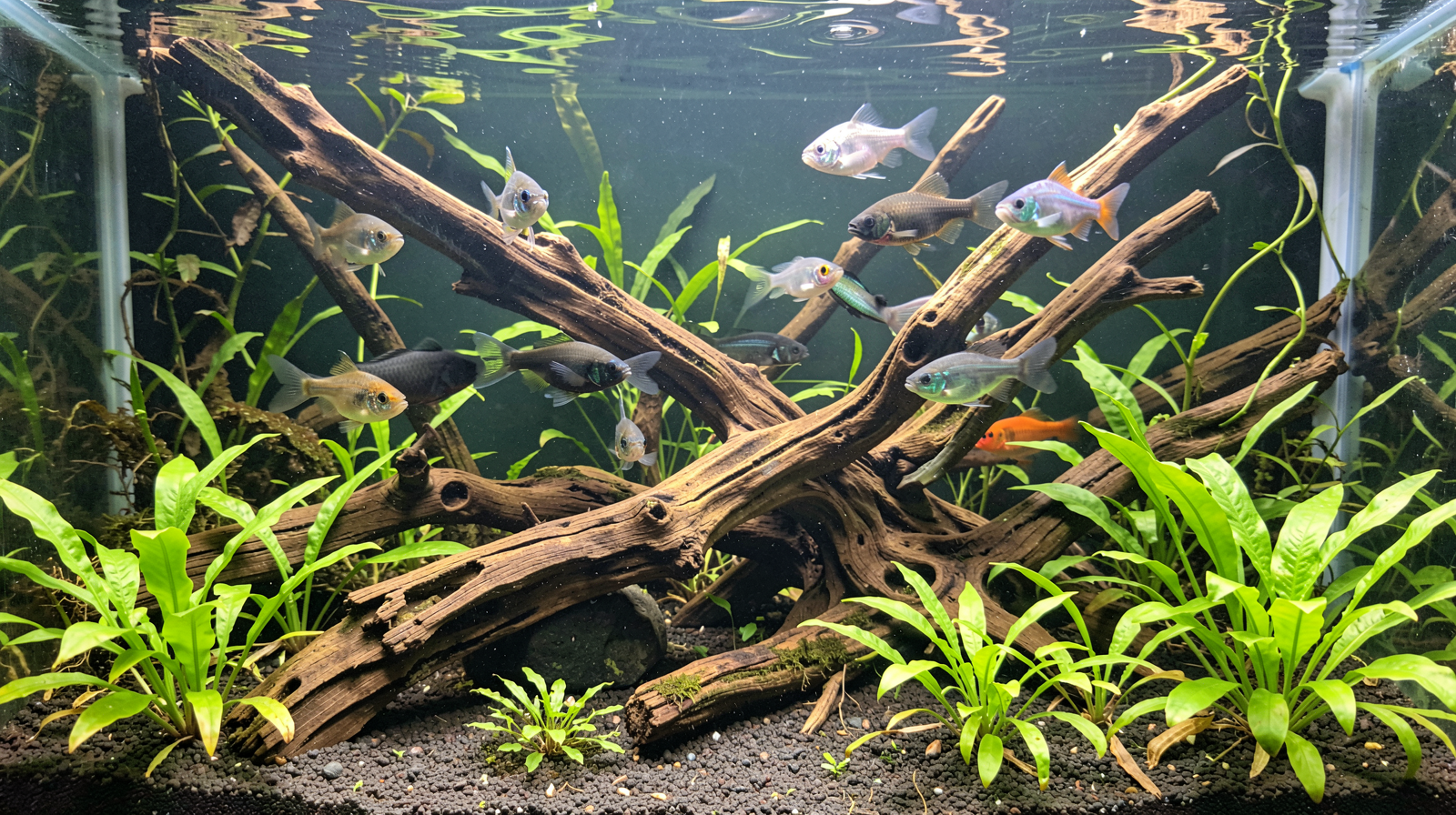
Keeping Your Tank Temperature Steady: What Thermometers You Actually Need
Written by Diamond Dave — November 14, 2026
A plainspoken guide to picking out the right gear and knowing where to stick it for stable water temps.
The newsletter for new and intermediate tank owners who want their livestock to thrive without guesswork over simple equipment placement.
First off: Why does temperature actually matter to my fish?
I get asked a lot by new hobbyists if it really matters if the temp fluctuates by just a couple of degrees during the day or night. The short answer is that even though your fish might look perfectly fine right now, those swings are taxing on their systems. Think of it like how you feel when the weather changes too quickly—it’s draining. For fish, consistent temperature is about metabolic stability. When the water temp moves around, it puts stress on their immune systems. A stressed fish is a fish that is much more likely to succumb to common parasites or bacterial infections that a healthy, stable fish would normally fight off easily. You don’t want your tank to be a rollercoaster; you want it to be a steady environment where the fish can focus on growing and staying healthy rather than constantly adjusting to their surroundings.
Picking your gauge: Glass vs. Digital vs. Controller
When you go to buy a thermometer, there are three main paths you can take, and each has its own trade-offs depending on how much “hands-on” time you want to spend with the tank.
- Glass Thermometers: These are the old-school staples. They are cheap and reliable because they don’t require batteries or power. The downside is that they have a slow reaction time; it can take a while for the liquid inside to reflect a sudden change in water temperature.
- Digital Readers: These give you a quick, easy-to-read number. They are great for checking the temp at a glance. However, they can sometimes be finicky if they aren’t submerged correctly or if the battery starts to die.
- Automated Controllers: This is the heavy-duty route. A controller stays on all the time and shuts your heater off or on based on a specific number. It’s great for peace of mind, but it adds complexity and cost to your setup.
For most home setups, I usually recommend having at least one reliable glass thermometer as a “truth” check against whatever digital gear you might be using.
The placement trick: Where not to stick that thermometer
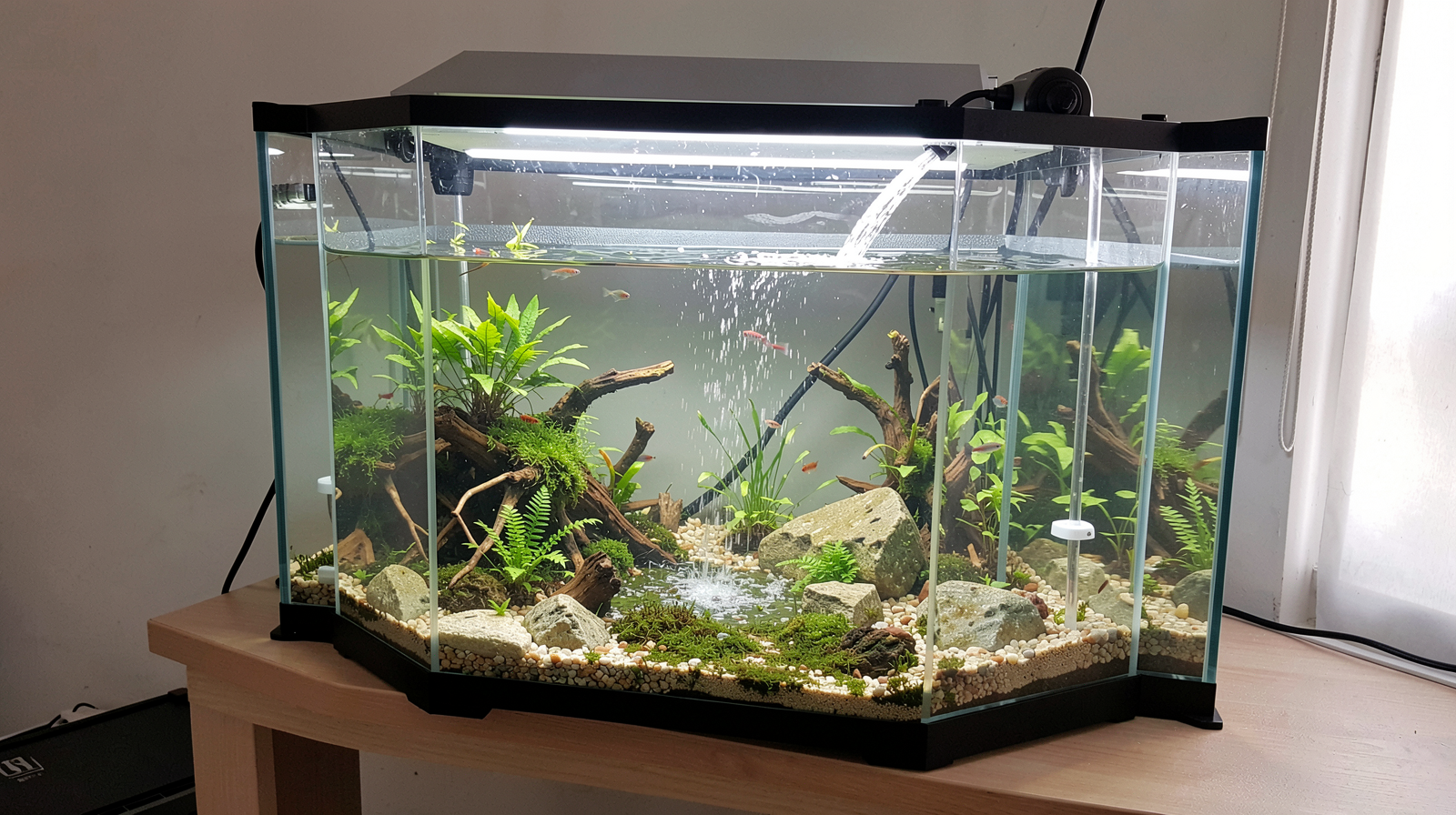
One of the biggest mistakes I see people make is sticking the thermometer right next to the heater or directly under the light. If you do that, your reading isn’t telling you what the water temperature actually is; it’s just telling you how hot the area around the heat source is. To get a real sense of your tank’s environment, you want to place your gauge in a “neutral” zone.
Try mounting it in the middle column of the tank, away from the surface where the lights hit and away from any return nozzles that might be pushing warm water directly toward the sensor. You want to see what the bulk of the water feels like. If you have a large tank, placing one near the bottom and one near the top can help you see if your water is stratifying—which is when different layers of water are holding different temperatures.
Reading the swings: What a big jump means (and what it doesn’t)
It is easy to panic when you look at a thermometer and see a number that looks high or low, but one single reading doesn’t tell the whole story. You have to watch how those numbers move over several hours. If your temperature jumps by three degrees in ten minutes, something is likely wrong with your heater settings or a localized heat source. However, if you notice it slowly drifting up an hour during the day and down an hour at night, that’s often just the natural cycle of your room’s environment interacting with the tank.
Understanding thermal stratification—how water holds different temperatures at different depths—is also key. If the top is much warmer than the bottom, you might have a circulation issue. You want to see a steady line on a graph over a 12-hour period, not a jagged zig-zag. Consistency is the goal here, not just hitting a specific number for five minutes of observation.
Keeping things stable when nature fights back
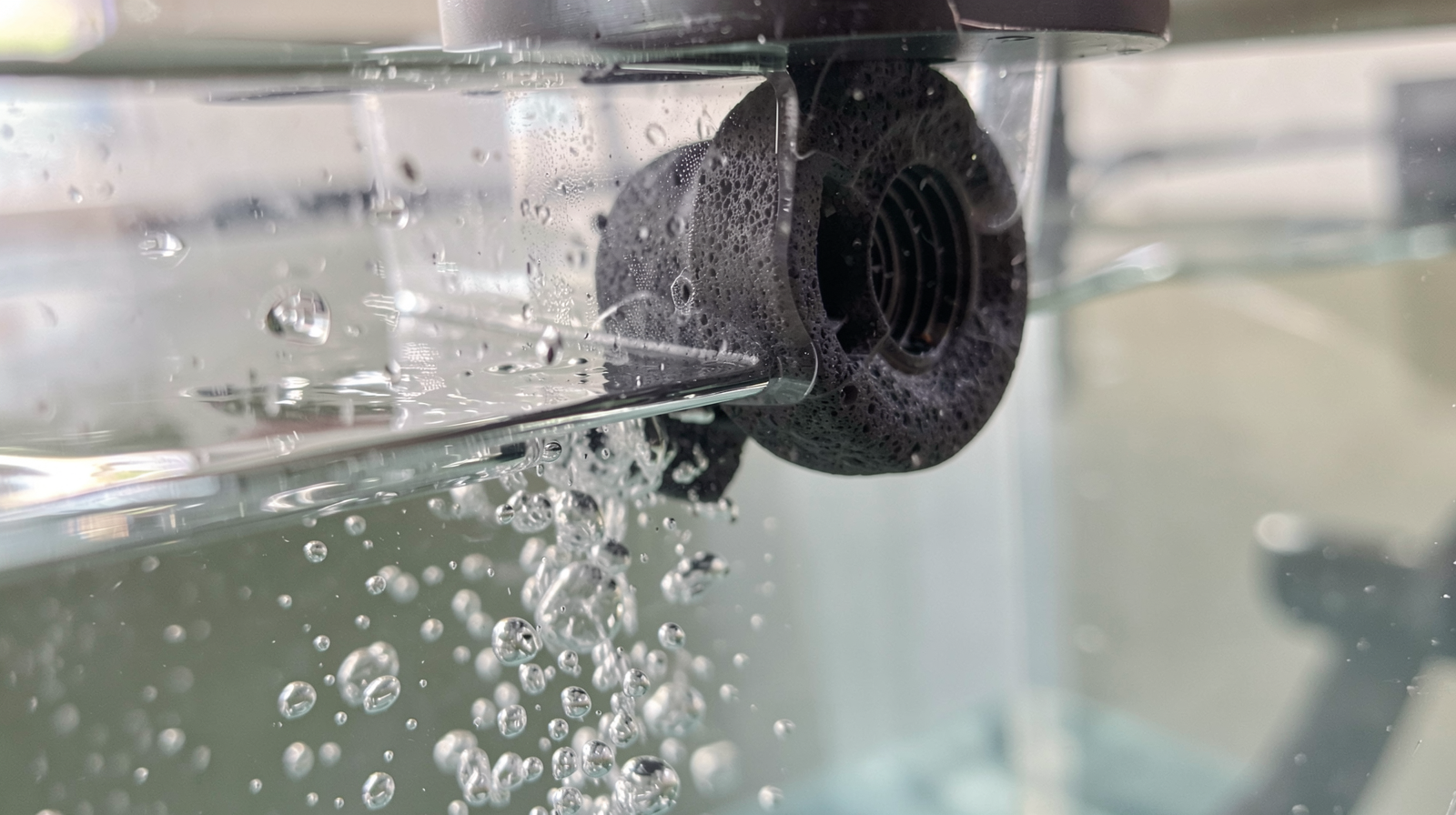
Before you go out and buy a brand new heater because your temp seems slightly off, take a look at the physics of your tank’s layout. Sometimes temperature issues aren’t about the gear; they are about how water moves. If one side of your tank is consistently cooler than the other, it might be because your filter isn’t pushing enough water to that corner to mix the temperatures.
Check your aeration and flow patterns first. Is there a “dead zone” where water is just sitting still? Improving circulation can often stabilize the temperature without spending any extra money on hardware. Also, keep an eye on your room’s ambient environment—a drafty window or an AC vent blowing directly on the tank can cause more issues than a faulty heater ever will. Fix the flow and the air movement first, then look at the equipment.
Source: AquaticRig
Get new newsletter issues, guides, and product updates by email.