
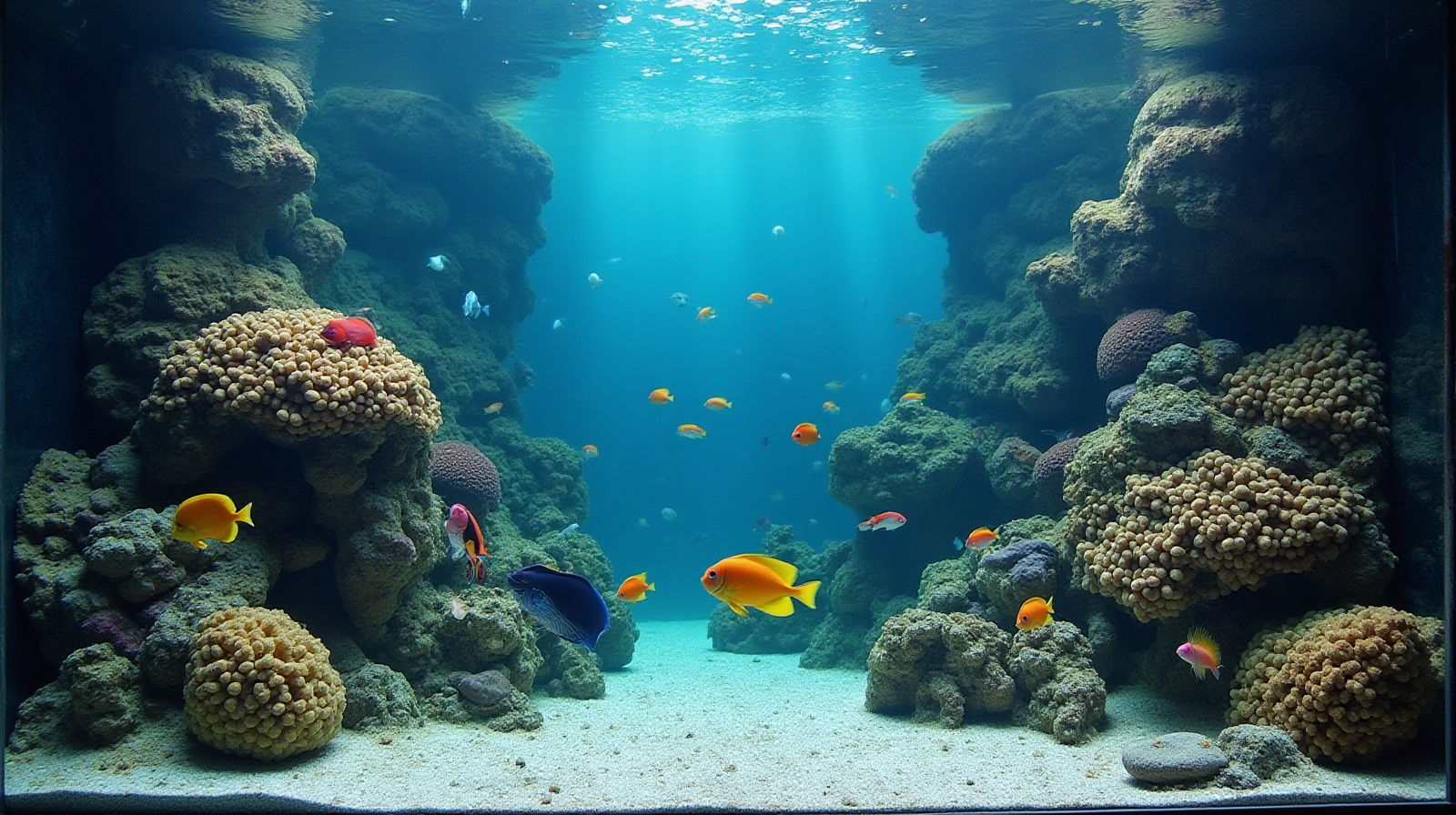
Making Your Reef Flow Right: A Real Talk Guide
Written by Diamond Dave — September 25, 2026
Translating big-scale reef engineering concepts to your backyard setup without needing a commercial facility.
The newsletter for experienced reef keepers who want their tanks running as reliably and healthily as possible, not just surviving.
First things first: What does ‘optimal flow’ even mean for my living room tank?
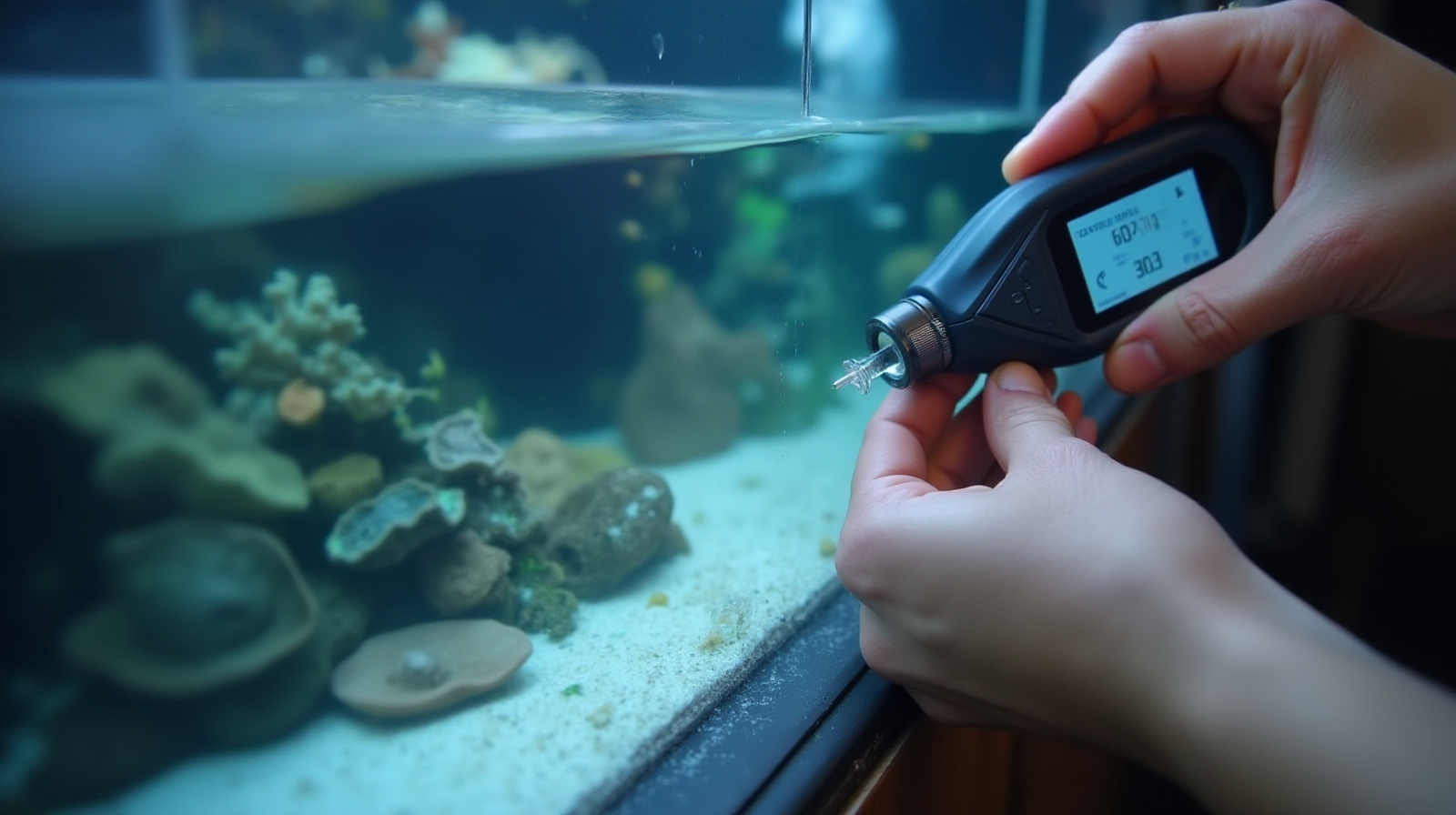
When you start looking into reef keeping online, people will talk about “laminar flow” or “turbulent kinetic energy.” Honestly, most of us just need to know if our fish can breathe and if the waste is moving toward the filter. In a home setup, optimal flow means two things: oxygen exchange at the surface and preventing “dead zones” where fish waste and uneaten food settle on the sand. If you have a spot in your tank where the water looks still or stagnant, that’s a problem area. You don’t need to create a whirlpool; you just want enough movement so that every drop of water eventually makes its way past the intake. I’ve seen plenty of hobbyists over-engineer this by buying massive pumps for small tanks, which just ends up stressing the fish and making it hard for corals to stay put. Keep it simple: if the water is moving consistently throughout the whole tank, you’re winning.
Dialing in the plumbing: Randomizing motion instead of just blasting water.
A common mistake I see—and one I made early on—is pointing a single powerhead directly at a coral or a rock pile and cranking it to high. This doesn’t create “good” flow; it creates a localized jet that can eventually tear tissue or stress the animal. Instead of one big blast, think about movement as a cycle. You want water to move in different directions—up, down, and side-to-side. In my experience, using two smaller pumps aimed at opposite walls is much more effective than one large pump trying to do all the work. This creates “randomized” motion. If you find that certain areas are still stagnant, a small 3D-printed baffle or even just repositioning your intake can help redirect water without needing more electricity. The goal is for the flow to feel like a gentle river current rather than a localized storm.
The chemistry side show: What are those fancy numbers (PO4, Alk) really telling me?
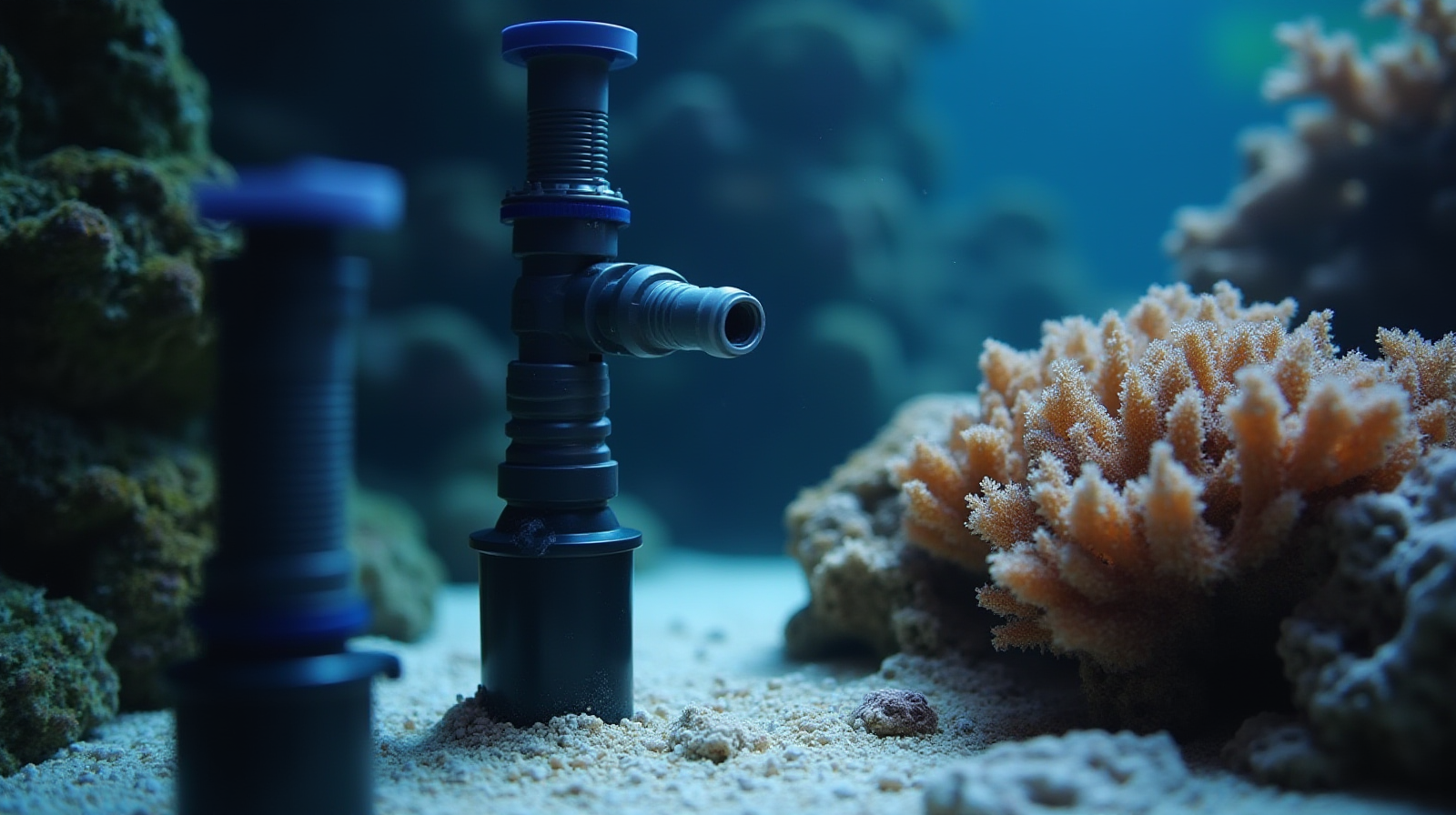
As you move into higher-density reef systems, people start obsessing over test kit results. It can feel overwhelming, but these numbers actually tell very specific stories about your water’s health. For example, Alkalinity (Alk) is essentially the “buffer” of your tank; it tells you how much your pH will swing day-to-day. If Alk is jumping around, your corals are going to struggle to build their skeletons. Phosphate (PO4), on the other hand, is more about what’s growing in your tank—too much leads to algae blooms. Here is a simple way to look at these parameters:
| Parameter | What it tells you | Why it matters for home tanks |
|---|---|---|
| Alkalinity (Alk) | Stability of pH | Prevents “rollercoaster” swings that stress corals. |
| Nitrate | Nutrient levels | Keeps algae in check; high numbers mean more waste than the system can handle. |
| Phosphate (PO4) | Mineral availability | High levels often cause nuisance algae to take over your rocks. |
You don’t need a lab to manage these, but you do need to know what they are warning you about before things go south.
Filtering smarter, not harder: When to use floss and when to skip it.
Mechanical filtration—the stuff that actually catches the “gunk”—is often where hobbyists get stuck in a cycle of over-maintenance. Using filter floss is great for catching large debris, but if you put too much of it in your primary reactors, it can clog quickly and lead to anaerobic pockets (where bad bacteria grow). In my tanks, I find that the best approach depends on what’s being caught. If you have a lot of heavy waste from high-density fish populations, a physical barrier like floss is helpful because it keeps the “chunks” out of your chemical media. However, if you are running a mostly reef-focused system with very few fish, you might find that less frequent cleaning and more stable bio-filtration works better. Don’t let yourself get caught in a loop of cleaning sponges every three days; instead, choose an approach that matches the actual amount of waste your specific livestock produces.
Wrapping up the big picture: Catching mistakes before they cost coral life.
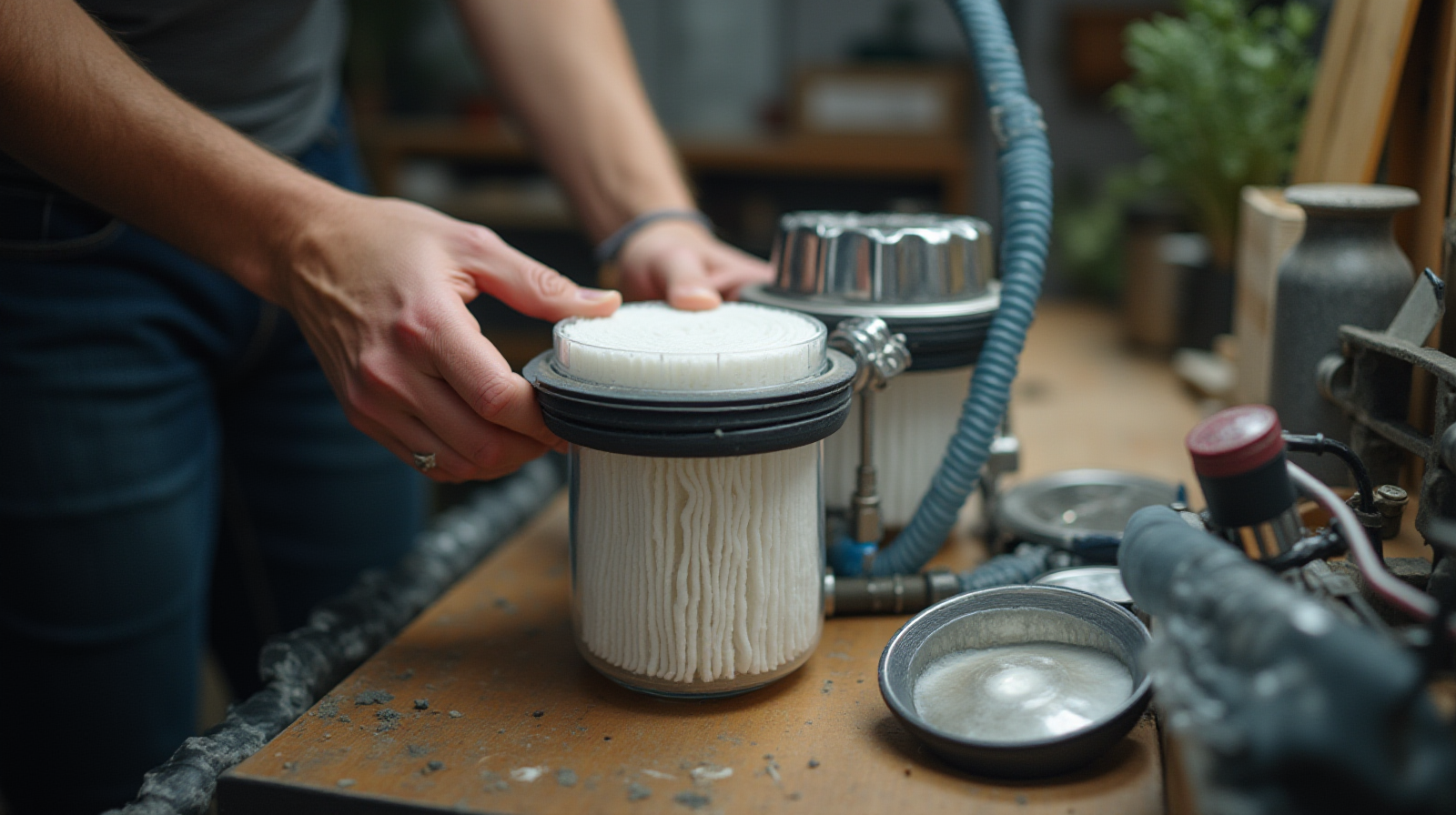
The biggest difference between a hobby that stays stable and one that crashes is consistent, boring maintenance. Most “emergencies” in home reef systems can be traced back to equipment failure or skipped checks rather than sudden biological shifts. For example, many people forget to check their RODI (Reverse Osmosis/Deionized) system regularly. If your salt mix isn’t being mixed with pure water because a filter is clogged or an inline unit has failed, you’ll eventually see spikes in phosphates and nitrates that are hard to flush out quickly. Another common pitfall is neglecting the “hidden” parts of the system, like cleaning the intake screens or checking for cracked hoses. A simple weekly checklist—checking your RO/DI output, inspecting pump heads for debris, and testing your primary three numbers (Alk, Nitrate, Phosphate)—will catch 90% of issues before they become disasters. It’s about being proactive rather than reactive when it comes to the chemistry.
Source: Reef Builders
Get new newsletter issues, guides, and product updates by email.