
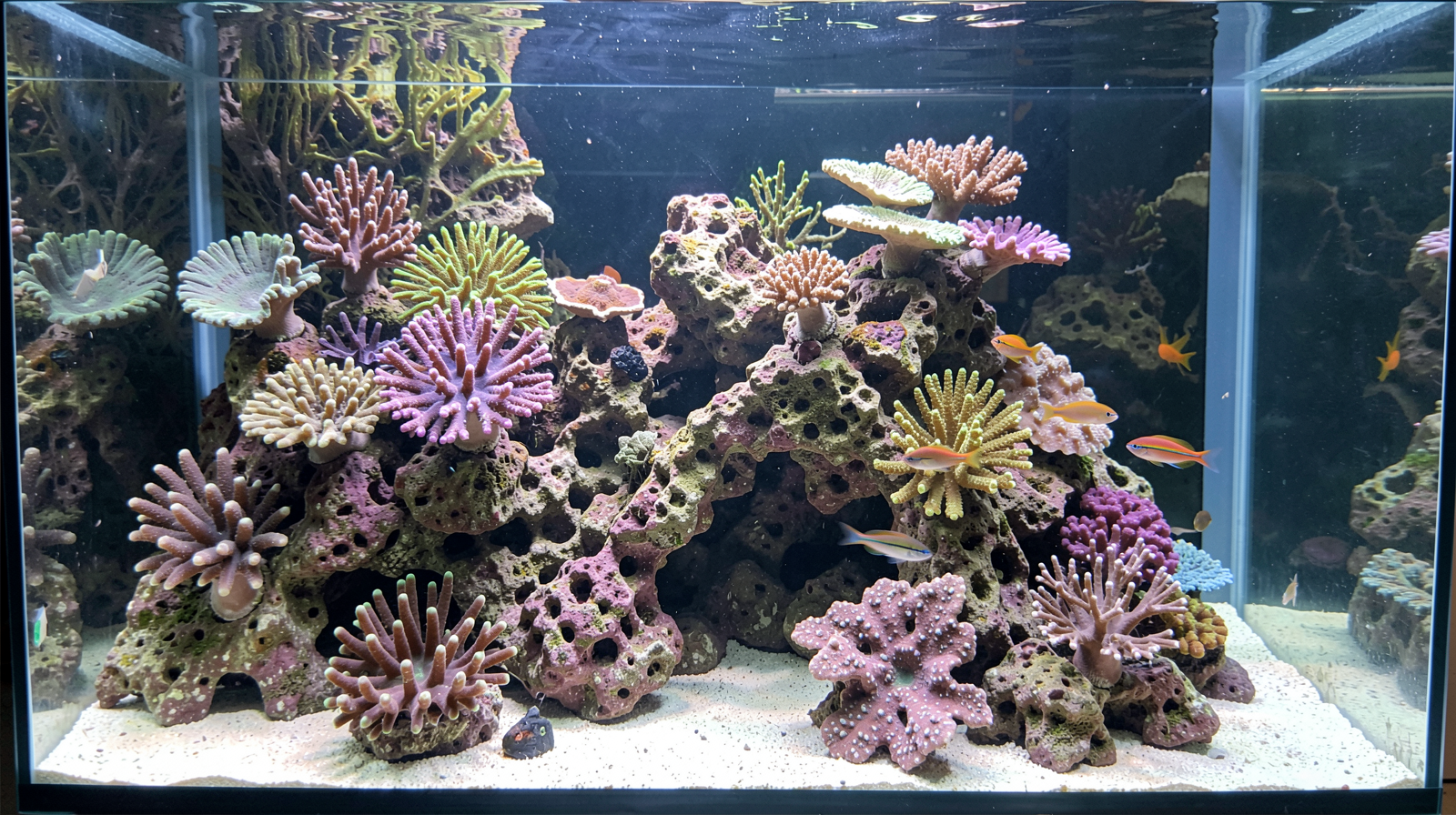
Picking Your Crew: Keeping Damselfish in a Small Reef Tank
Written by Diamond Dave — November 2, 2026
A practical look at what these little guys need to thrive without overdoing it.
The newsletter for established reef keepers who want colorful fish that don't turn into an expensive mess.
So, what are these damselfish anyway?
If you’ve spent any time looking at reef tanks, you’ve probably seen them—the little guys darting around with a lot of personality. Damselfish are some of the most common choices for home reef keepers because they are hardy and have pretty colors. But before you go grabbing one off the shelf, there is something you need to know about their temperament. They aren’t just “fish” in the same way a school of small chromis might be; they are territorial.
In my experience, damselfish can be real characters. Some are peaceful enough to share space with others, but many see a specific piece of live rock as their personal property and will defend it against anyone else who tries to move in. They aren’t mean for no reason, they just have high-energy personalities that can lead to some drama if you don’t plan the layout correctly. Understanding this behavior is the difference between a peaceful tank and one where your fish are constantly nipping at each other.
Picking the right species for your tank size
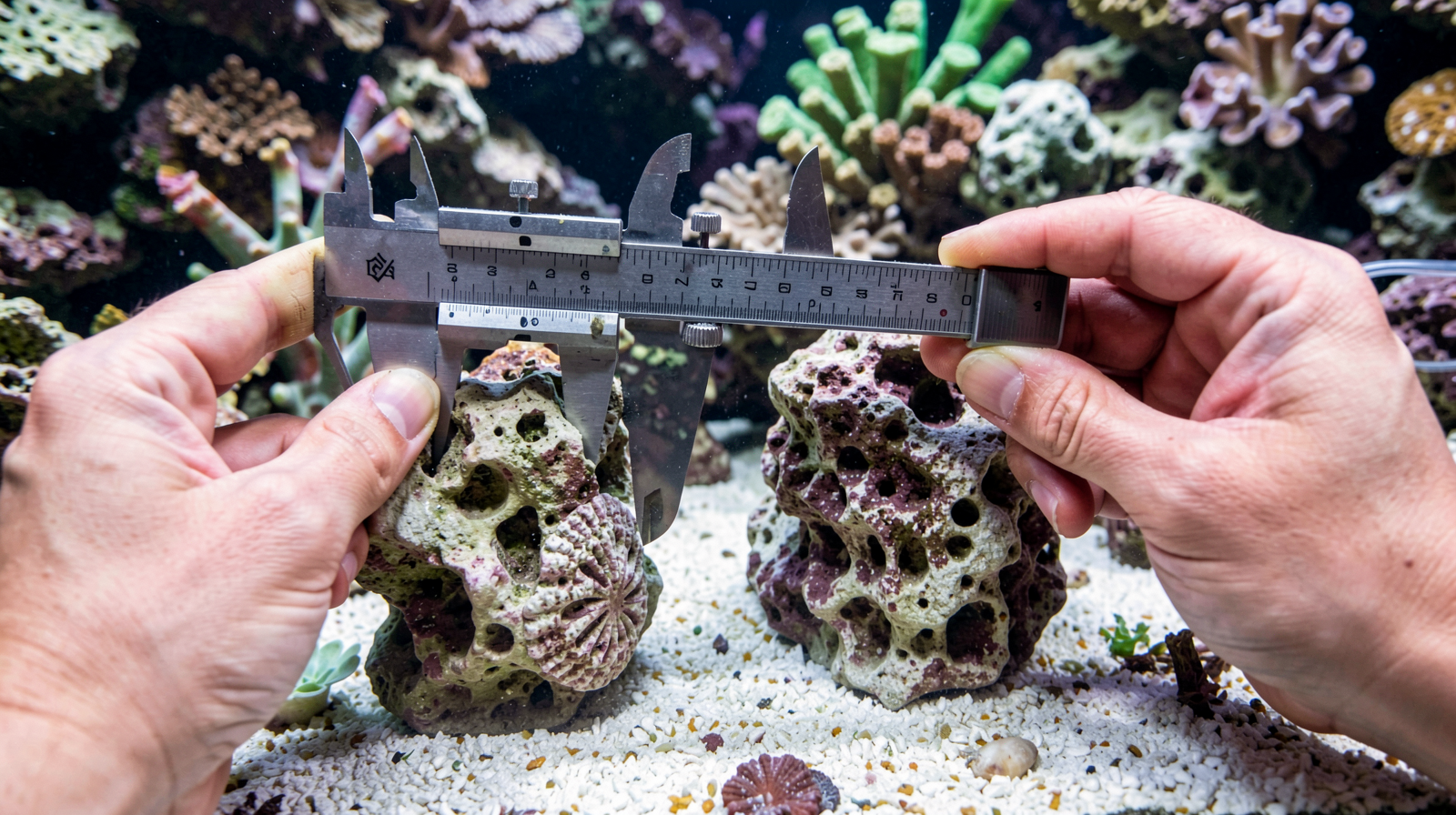
One of the biggest mistakes I see people make is assuming all damselfish are created equal in terms of aggression or space requirements. If you’re running a smaller setup, like a 29-gallon or a 40-gallon breeder, you have to be careful about which species you invite over. You want fish that will be happy with the footprint and won’t try to bully every other resident out of existence.
Here is how I generally look at common choices for home setups:
| Species Type | Typical Behavior | Best For | Tank Size Context |
|---|---|---|---|
| Small/Mellow | Less territorial, slower swimmers | Community-focused tanks | 20–40 Gallons |
| Medium/Active | More “bossy,” high energy | Established reef setups | 50+ Gallons |
| Large Damselfish | Highly dominant, very active | Large display tanks | 75+ Gallons |
If you have a smaller tank, I usually suggest looking for the more mellow varieties. They tend to be less likely to start a fight over a single crevice in your rockwork. As your tank size grows toward that 75-gallon mark, you can start looking at some of the more active species, but even then, you have to keep an eye on how they interact with the “neighbors” you’ve already put in there.
Where do they actually live? Placement tips
Damselfish aren’t big open-water swimmers like a tuna; they prefer to have a home base. When I set up my own tanks, I try to make sure there is a clear distinction between their “living room” and the rest of the reef. They want a spot where they can retreat if they feel threatened or if they just want to nap.
In a well-balanced tank, you want a mix of tight hiding spots and open swimming space. For damselfish, this means having some dense rockwork where they can tuck themselves away, but also enough “highway” space so they don’t feel trapped. If the rocks are too spaced out, they might feel exposed; if it’s just one big pile of rubble with no gaps, they won’t have a place to claim as their own territory. I find that placing them near a complex structure—rather than in a wide-open barren area—helps keep them settled and less likely to go looking for trouble elsewhere.
The ‘Do Nots’ list: When damselfish turn into a problem
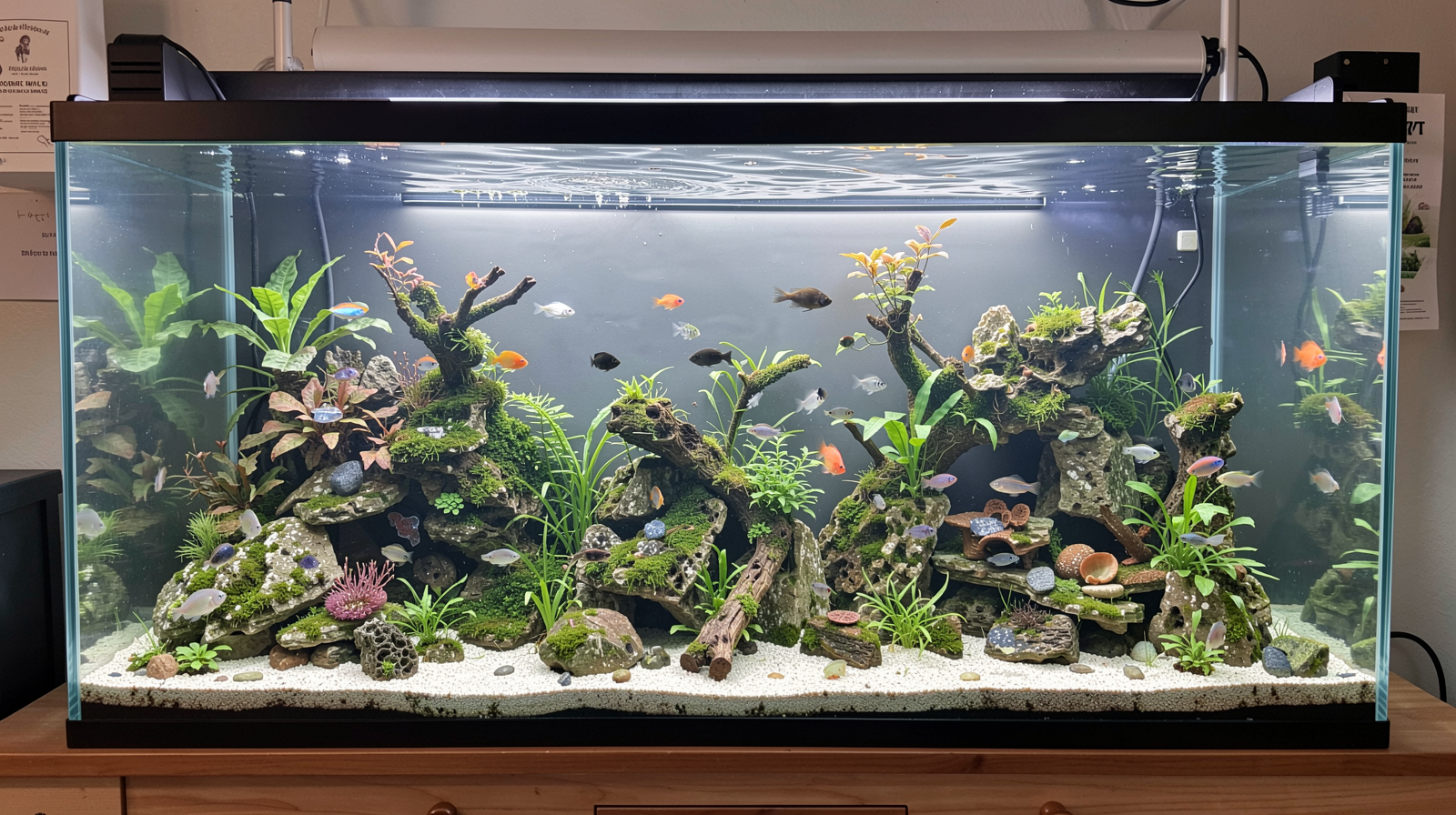
I’ve seen plenty of folks get frustrated because their new fish started acting like bullies. Usually, this happens because of one of three mistakes. First is overstocking. If you cram too many fish into a small space, the “territory” per fish becomes too small, which triggers an immediate fight for dominance. Second is ignoring the hierarchy; if you put a dominant damselfish in with a timid species that has nowhere to hide, you’re going to have a problem.
Here are some common pitfalls I’d like to help you avoid:
- Adding them all at once: This can lead to immediate “first-come, first-served” aggression.
- Lack of “escape routes”: If a smaller fish can’t swim away from the damselfish, they will get bullied or nipped.
- Overlooking size limits: A damselfish that grows significantly larger than its neighbors can quickly become the “boss” of the tank in ways you didn’t intend.
If you see constant chasing where one fish is being cornered and has no way out, it’s time to rethink the layout or the inhabitants.
Keeping things simple when you’re new to reefs
Adding damselfish adds a real amount of “bioload” to your system—that’s just a fancy way of saying they produce waste that your tank needs to process. Because these fish can be active and hungry, they eat more than some of the smaller, slower-moving reef residents. When you increase the bioload, your water chemistry can shift faster than you might expect.
To keep things simple, I always tell people to focus on three main areas when adding these guys:
- Nitrate management: Keep a close eye on your nitrate levels after they move in. You might need to do more frequent water changes or check your protein skimmer’s performance.
- Feeding consistency: Damselfish are often “beggars.” They will hover at the surface waiting for food, which can sometimes lead them to ignore the rest of your fish who aren’t as bold. Try to spread the food out so everyone gets a turn.
- Observation: Spend five minutes a day just watching how they interact. It’s the best way to catch a problem before it becomes a disaster.
If you find yourself struggling with keeping the water clear or managing the waste from your new crew, that’s usually a sign that your filtration needs a little extra attention.
Source: Coral Magazine
Get new newsletter issues, guides, and product updates by email.