
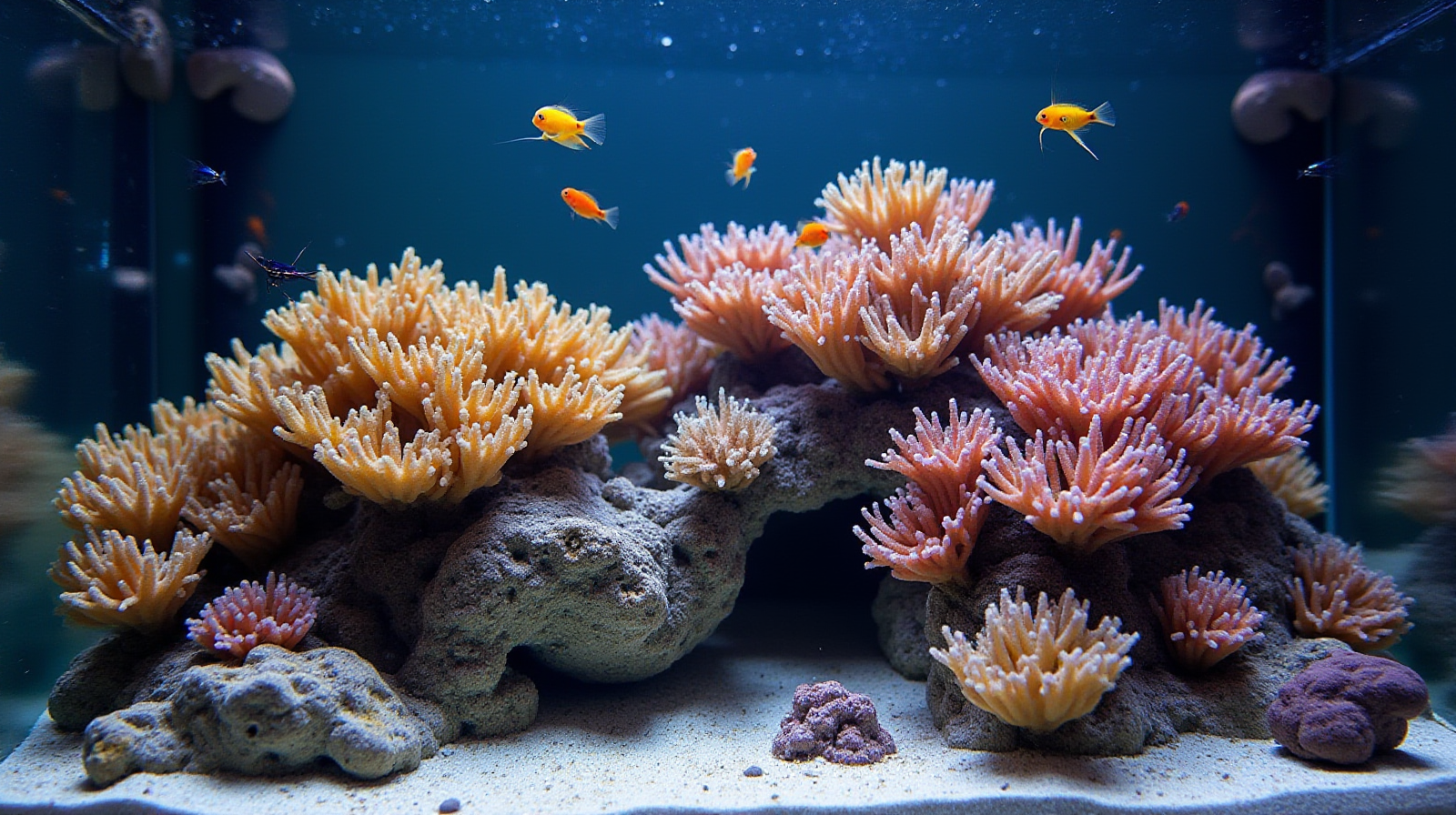
Pistol Shrimp: Going Beyond Just the Common Goby Pair
Written by Diamond Dave — October 12, 2026
Looking at a few other Alpheus species and what they mean for your reef community.
The newsletter for intermediate reef keepers who want to add more natural complexity without an open-ended commitment.
Quick word on why the goby pairing works (and when it stops working)
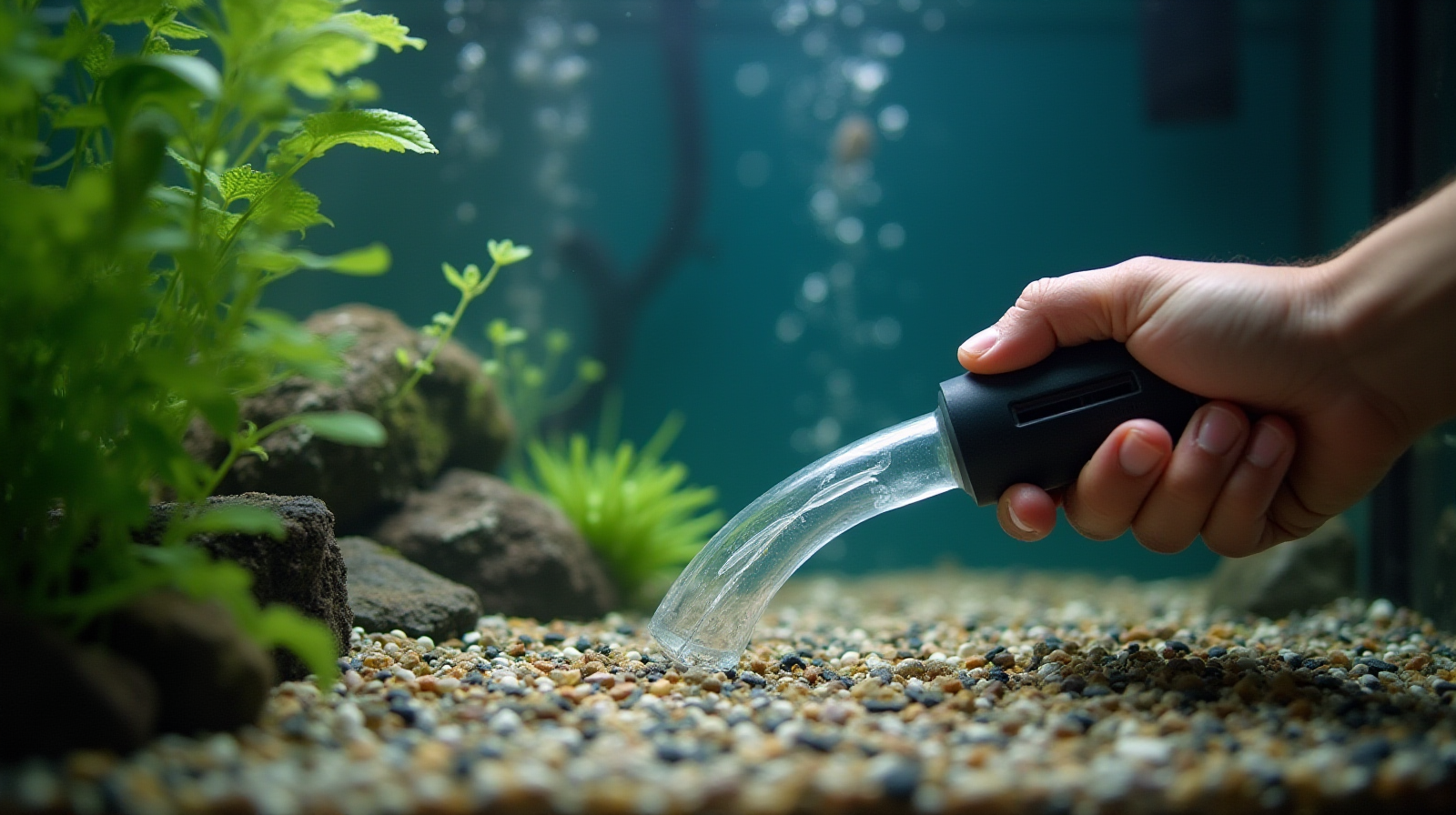
If you’ve ever looked at a pair of Bumblebee Gobies or a standard pistol shrimp and its partner fish, you know exactly what makes them work: mutualism. The shrimp has incredible eyesight but is slow to react; the fish can see danger coming from a distance but isn’t great at spotting things right under its nose. They strike a deal—the fish keeps an eye out for predators while the shrimp digs and maintains their home.
This works beautifully in most setups, but it hits a wall when you move beyond the “starter” species. In some cases, if the goby is too small or doesn’t have enough of a survival instinct to defend its territory, the shrimp can become stressed and stop performing its digging duties. Sometimes, the partnership just isn’t balanced correctly for the specific environment you’ve built. When we start looking at different species in this category, we aren’t just looking for any fish that “looks cool” next to a shrimp; we are looking for pairs where the biological roles actually align with each other and your specific tank layout.
More than just Alpheus basics: looking at specialized buddies
While most people start with common gobies, there are several other species in the Alpheus genus that offer different dynamics. Some shrimp prefer larger, more aggressive fish as “bodyguards” because they can hold off a wider range of intruders. Others work best with much smaller, schooling fish where the sheer number of eyes provides constant surveillance.
When you move beyond the common goby pairs, you have to consider what kind of personality each species brings to the reef. Some are more territorial and will fight neighbors for space, while others are content just staying in one hole until they’re told otherwise by a neighbor. Knowing these nuances helps you decide if a specific shrimp is going to be a peaceful neighbor or if it’s going to spend its time trying to chase other inhabitants out of their homes. It isn’t about finding the flashiest fish; it’s about finding the right temperament for your specific footprint.
| Shrimp/Fish Dynamic | Typical Behavior | Best For |
|---|---|---|
| Standard Goby Pair | Cooperative, stable, easy to spot | Beginners and standard reef tanks |
| Large Tank Specialists | High territoriality, more active | Larger systems with complex rockwork |
| Niche/Small Species | Less aggressive, can be kept in smaller volumes | Smaller “nano” style setups |
Setting work for complexity: space and substrate considerations
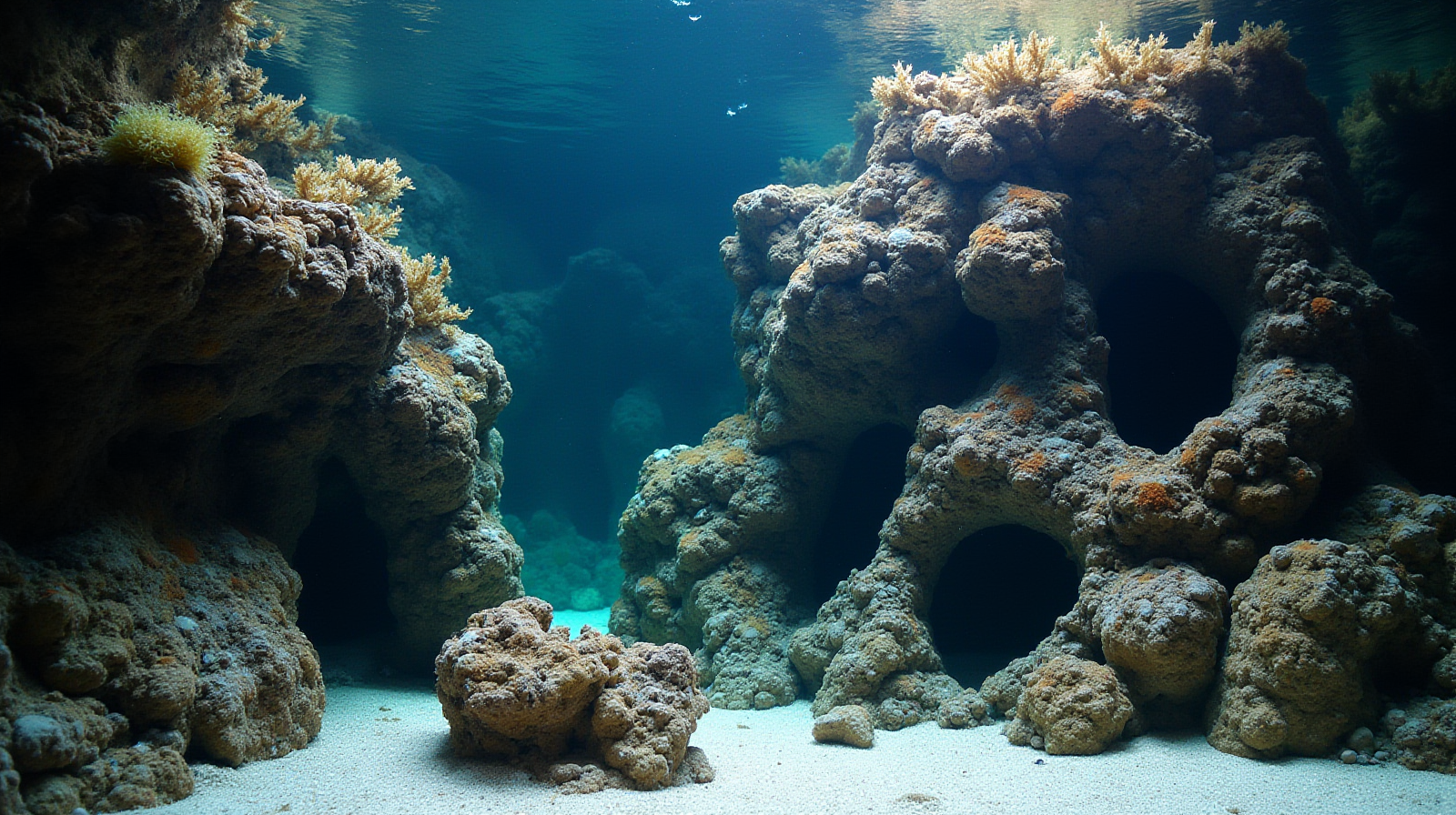
One of the biggest mistakes I see people make is thinking that because a shrimp fits in your tank, it has enough room to live. For these specialized pairs, “space” isn’t just about gallons; it’s about real estate and architecture. A pistol shrimp needs an intricate network of tunnels and crevices where it can retreat if it feels threatened. If the rockwork is too open or the sand is too thin, they won’t feel safe enough to come out and do their job.
You also have to consider the substrate. These guys are active burrowers. In a home tank setting, you want plenty of soft sand that allows them to move freely without getting “stuck” or making it impossible for them to dig in. If your substrate is too heavy or packed down too tight, they’ll just stay underground and won’t provide the aeration benefits they are known for. You want a layout that feels like a labyrinth—lots of nooks where a shrimp can hide but still be close enough to its fish partner to maintain their bond.
The care side of things: water quality and chemistry checks
When you start moving into more specialized inhabitants, your margin for error gets a bit smaller. While the basic rules of reef keeping don’t change—keep your nitrates low and your salinity steady—these specific shrimp are often much more sensitive to rapid fluctuations than common gobies. They can be “canaries in the coal mine” for your system; if they start acting sluggish or retreating into their holes permanently, it’s usually a sign that something is off with your chemistry before you might notice it in other fish.
Stability is the goal here. You want to avoid large swings in temperature or salinity, which can be particularly taxing on smaller crustaceans. I always recommend checking your parameters regularly rather than just reacting when things go wrong. A stable environment allows these specialized pairs to feel secure enough to forage and interact with their neighbors instead of spending all their energy just trying to cope with the water chemistry. Consistency is what keeps them healthy in a home setting.
What to watch out for (the inevitable mistakes)
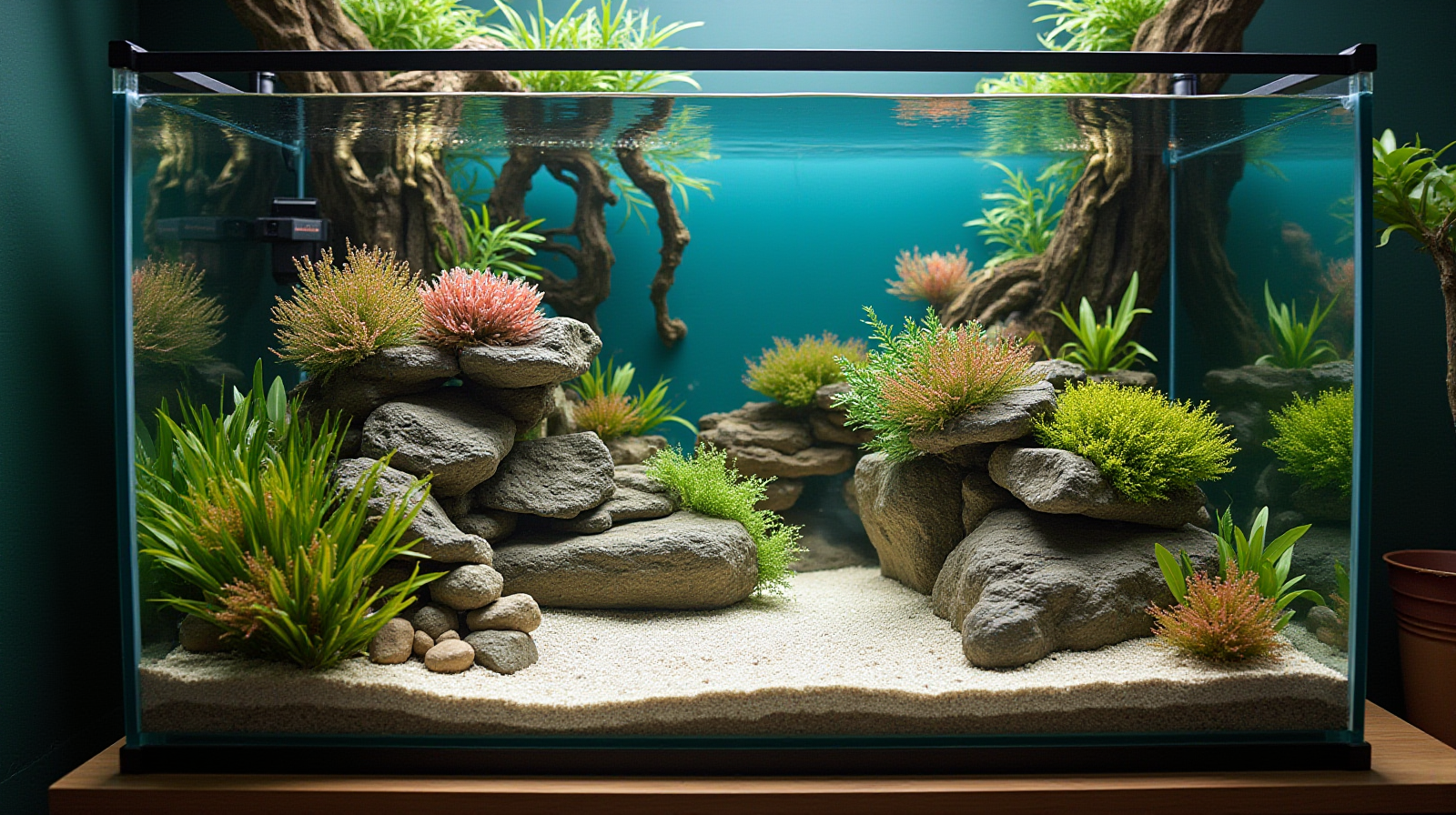
The most common mistake I see is “over-stuffing” a space that doesn’t have enough hiding spots. When you add a specialized shrimp and its partner, they need their own private territory. If they are forced to share a small hole with another fish or if there aren’t enough nearby options, things can get aggressive very quickly. You don’t want them fighting your other livestock just because they feel crowded.
Another common pitfall is choosing a pair that isn’t actually compatible with the size of your tank. Some species are simply too active for small volumes and will end up constantly stressed by their own territory boundaries. It’s also easy to overlook how much “work” these animals do; if you put them in an area where they can’t reach the surface or move through the sand easily, they won’t be able to perform their natural behaviors. If you notice a shrimp and its fish partner aren’t interacting or seem constantly hidden from view, it usually means something about the physical layout isn’t working for them.
If you want to dive deeper into how to design your rockwork specifically for these types of inhabitants, check out our guide library on advanced habitat layout.
Source: Reefs.com
Get new newsletter issues, guides, and product updates by email.