
Power Outages: How Long Will Your Reef Really Survive?
Written by Diamond Dave — October 10, 2026
A practical look at calculating backup runtime using modern power stations.
The newsletter for saltwater reef keepers who worry about the next big storm and need to know their actual survival time.
Let’s talk blackouts—the scary part.
If you live in an area where the grid isn’t always steady, a power outage is something you have to plan for eventually. It’s easy to get into a “what if” spiral when it happens, but I prefer to look at it as just another maintenance task, like changing your filter media or dosing minerals. When the lights go out, the panic usually stems from not knowing what’s actually happening underwater. Is the water oxygenated? Are the pumps moving? Instead of worrying about a hypothetical disaster, it helps to have a clear plan in place before the first flicker happens. Knowing exactly how much time you have gives you a window to act calmly—whether that means grabbing a manual aerator or just knowing your backup system will carry you through the night. We want to move from “hoping for the best” to having a practical, documented response for when the power cuts out.
What are we actually running? (And what matters most)
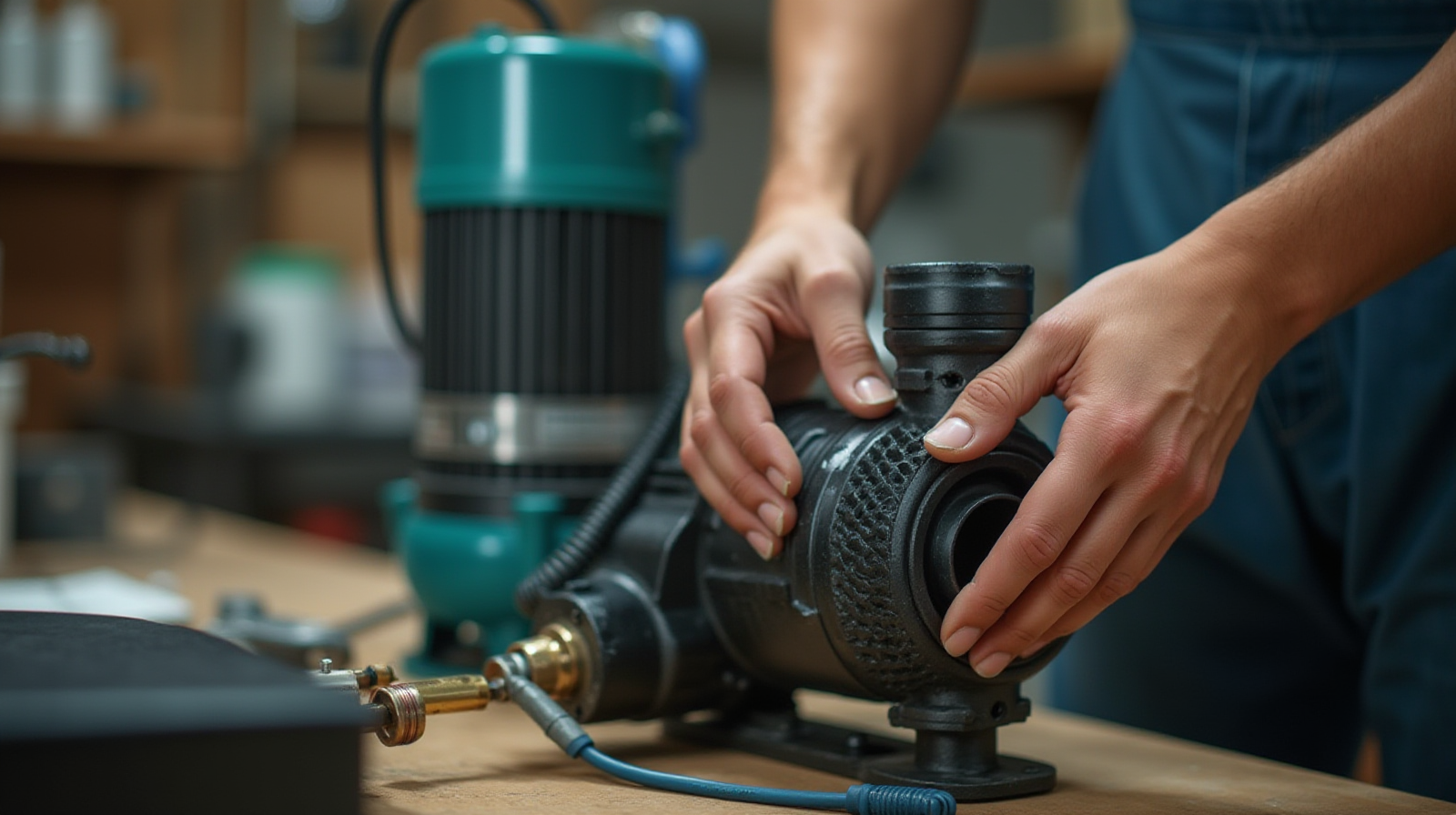
When I first started keeping reef tanks, I thought everything needed to stay on 24/7 just to keep the fish alive. That isn’t really the case. In an emergency, we have a hierarchy of needs. The most critical thing is oxygenation and water movement. If your water stays still, it loses oxygen and can become toxic quickly. This means your primary circulation pumps are your top priority. Filtration systems—like protein skimmers or canister filters—are important for long-term health, but they aren’t “immediate survival” items in the way moving water is. Lighting is completely optional during a power outage; your corals and fish will be perfectly fine in the dark for several days. When you are calculating how much battery life you need, don’t waste it on high-intensity lights or heavy filtration if it means sacrificing enough juice to keep your main circulation pumps running. Focus on what keeps the water moving first.
The math bit: From watts to hours.
Calculating how long a backup power station will last isn’t as simple as dividing total capacity by the wattage of your equipment, mostly because inverters lose some energy just by being turned on. Most portable power stations have an “usable” capacity that is lower than their advertised rating due to this conversion loss. To get a real number, you need to know the actual draw of your gear. For example, running a small internal wave maker might pull 20 watts, while a larger external pump could be much higher.
| Equipment Type | Priority Level | Impact on Battery Life |
|---|---|---|
| Circulation Pumps | High | Essential for oxygenation; should run as long as possible. |
| Protein Skimmers | Medium | Helpful for waste, but can be turned off to save power. |
| Reef Lights | Low | Can be turned off immediately during a blackout. |
If you have 1000Wh of usable capacity and your primary pumps draw 50 watts, you aren’t just getting 20 hours; you need to account for the inverter’s overhead. I always recommend aiming for at least 48 hours of “critical” runtime so you have a buffer if the utility company takes their time getting the grid back online.
Optimizing for survival time (The low-power approach)
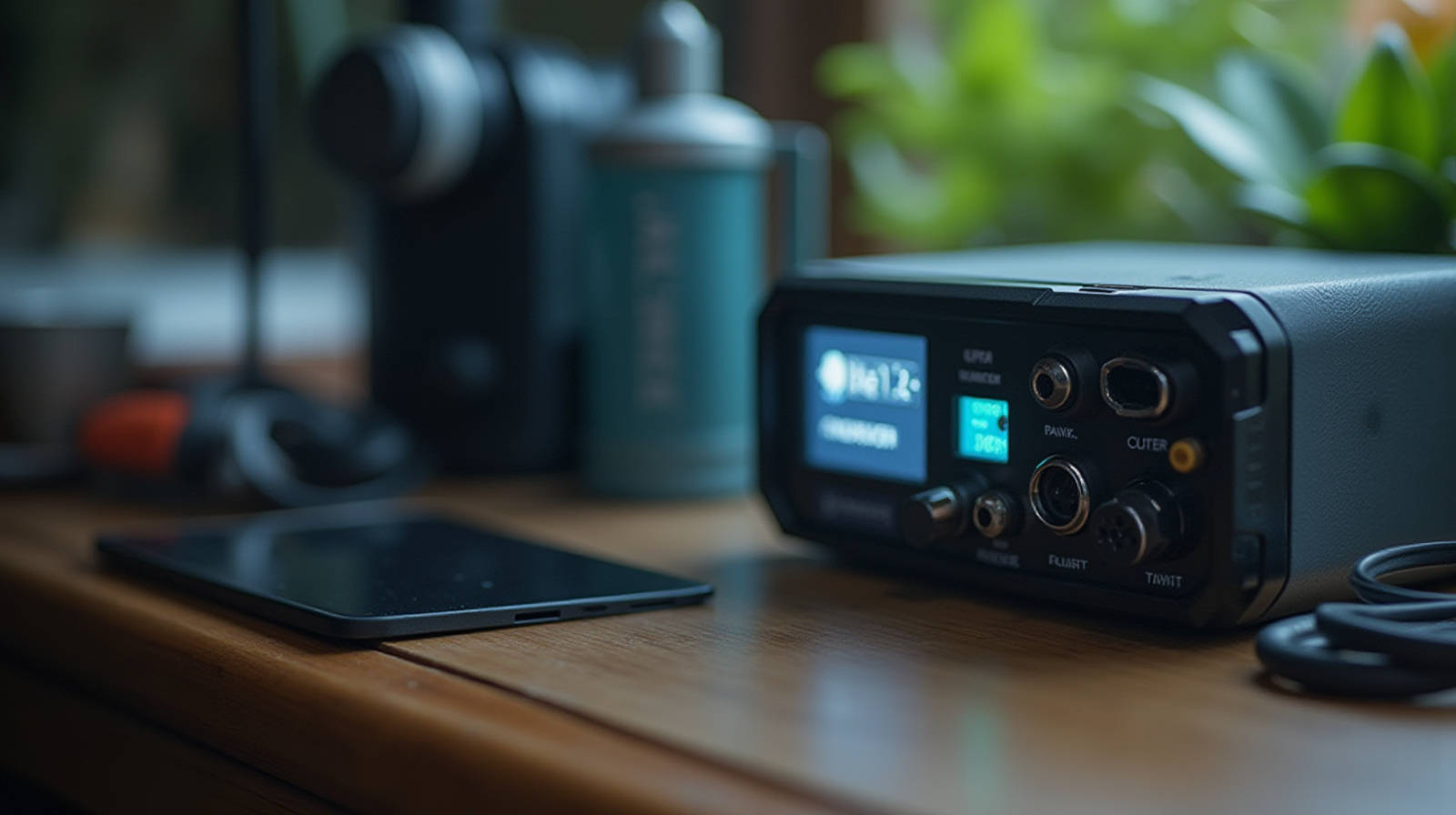
You don’t have to run everything at full blast just because it’s plugged in. If you know your backup power is limited, you can “triage” your tank. For instance, if you have three large circulation pumps, you might only need one of them running at a lower speed to keep the water moving and oxygenated. By turning off the extra pumps or non-essential filtration systems during an outage, you significantly extend the life of your battery bank. It’s about finding that middle ground where the tank stays healthy without draining your reserves in four hours. Some folks find it helpful to have a “blackout mode” where they physically unplug everything except for one primary pump and perhaps a small skimmer. This keeps things simple and ensures that the most important systems stay running as long as possible while you wait for the power to return.
What I learned the hard way about emergency kits.
One of my biggest mistakes early on was assuming a standard “power bank” style unit would keep my entire system running. I realized too late that those smaller units don’t have enough capacity—or the right type of inverter output—to handle even a single medium-sized pump for more than an hour or two. You have to be honest about what your gear can actually do. If you buy a unit based on “peak” numbers, but then plug in multiple items at once, the system will trip its breaker almost instantly. I learned that it’s much better to have one largeer unit dedicated solely to circulation than several small ones for different tasks. It’s also worth noting that some modern pumps are designed to be very efficient, but they still draw more power than you might think on paper. Always test your setup under a real load—or simulate one by running just the essential components—to see how many hours of actual runtime you have before the battery hits zero.
If you’re looking to get specific about your tank’s hardware or need help figuring out which pieces of equipment are worth keeping on during an emergency, check out our guide library for more detailed breakdowns on reef maintenance and safety.
Source: Reefs.com
Get new newsletter issues, guides, and product updates by email.