
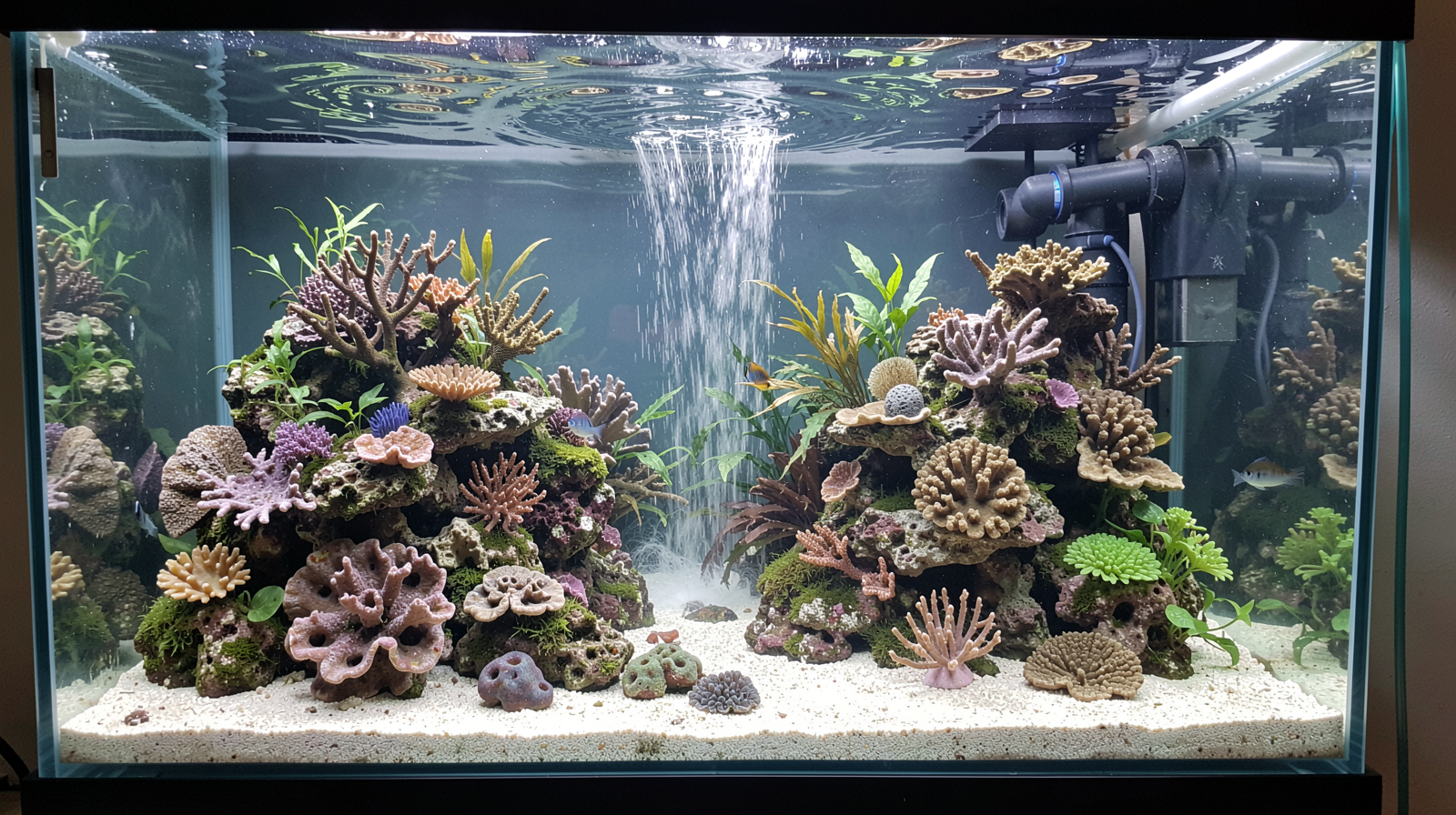
Pump Head Loss: Don't Guess When Sizing Filtration Lines
Written by Diamond Dave — November 2, 2026
Making sense of flow rates and plumbing friction loss so your return line lasts longer.
The newsletter for intermediate reef keepers who want their filtration to actually perform reliably without guesswork.
What is ‘Head Loss’ and Why Should I Care?
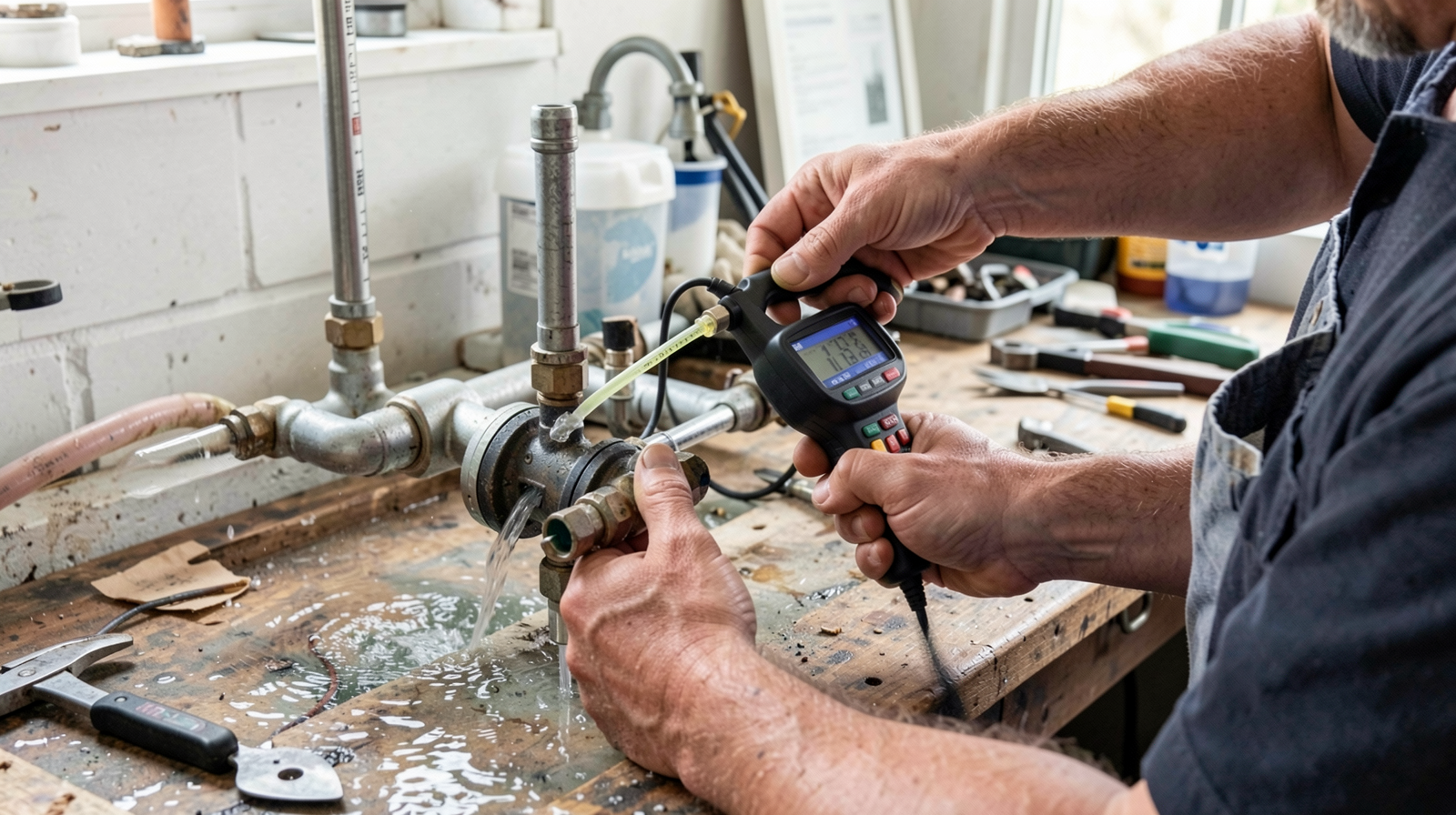
When you buy a new pump for your aquarium, the first thing most of us look at is the GPH (gallons per hour) rating on the box. It’s easy to assume that if a pump says it can push 400 gallons an hour, that’s what will happen every time you flip the switch. In reality, water doesn’t just move through pipes without any effort; it faces resistance. This is what we call “head loss.”
Think of it like trying to blow air through a straw. The longer and narrower the straw, the harder you have to work to get the air out the other side. In your aquarium plumbing, every foot of tubing and every internal curve creates friction that slows down the water flow. If you don’t account for this, your pump might be running at its absolute limit just to move a fraction of what it’s rated for. This puts constant strain on the motor, which can lead to overheating or premature failure. Understanding head loss isn’t about being an engineer; it’s about making sure your equipment doesn’t burn out trying to fight against its own plumbing.
Reading the Specs: Flow vs. Head
Most manufacturers provide a “max flow” rating, but that number is usually measured with water moving in a straight line with zero resistance—basically what happens if you held the pump in an open bucket of water. To figure out how your specific setup will perform, you have to look at the relationship between flow and head.
“Head” is essentially the height or pressure the pump has to overcome. In a home aquarium, this includes vertical lift (moving water up from a sump) and horizontal friction (water pushing through long runs of PVC). When you see a chart on a pump’s spec sheet, it usually shows how much flow remains as the “head” increases. For example, a pump might give you 500 GPH at zero head, but only 300 GPH once it has to push water up three feet and through some bends. My advice is always to look for a mid-range flow rate that fits your needs rather than aiming for the maximum number on the box, because you will almost never achieve that maximum in a real-world plumbing layout.
The Real-World Effect of Elbows and Bends
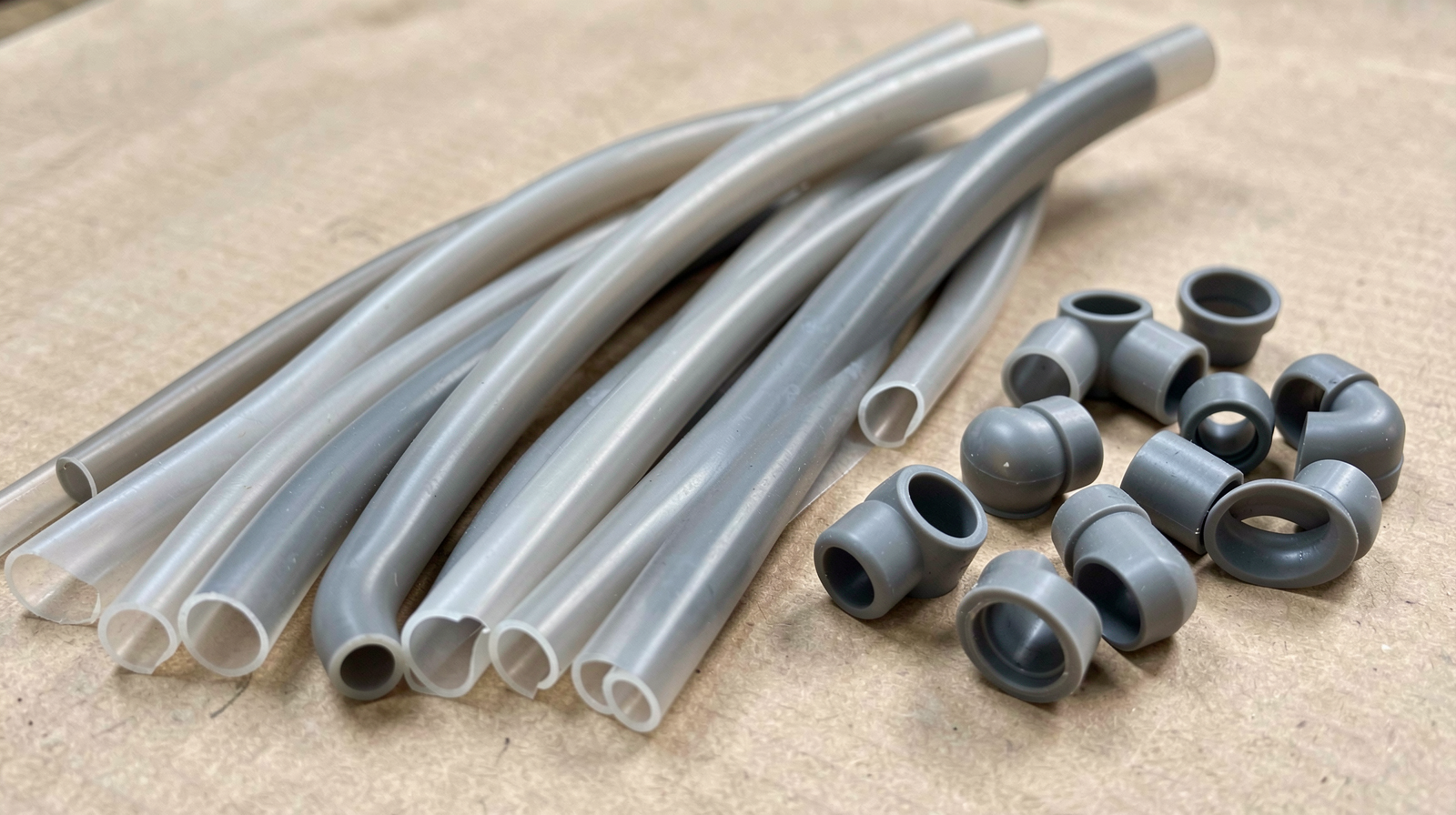
In my experience setting up filtration systems, the biggest culprits for head loss aren’t always the long runs of pipe; they are the fittings. Every time water has to turn a corner or pass through a junction, it loses energy. A 90-degree elbow creates much more resistance than a straight piece of PVC because the water molecules have to collide with the wall and change direction abruptly.
If you have a complex plumbing layout with multiple turns, valves, and narrow diameters, those “micro-resistances” add up quickly. Here is a general way to think about where your flow is being choked:
- 90-Degree Elbows: Significant resistance; try to use fewer of these in high-pressure lines.
- T-Junctions: These split the flow and create turbulence, which can drop pressure significantly.
- Small Diameter Tubing: Forcing a large volume of water through a small hose is like trying to push a crowd through a narrow doorway.
- Valves: Even when fully open, many valves offer some measurable resistance compared to an open pipe.
Simple Fixes: Don’t Over-Engineer Your Plumbing
You don’t need to install industrial-grade oversized piping to fix flow issues. Most home aquarium owners can solve most head loss problems with a few practical adjustments. The goal is to make the path of least resistance as smooth as possible for the water.
First, try to keep your plumbing layout as straight as possible. If you have to go around an obstacle in your room or cabinet, use a large-radius sweep instead of several small elbows. Second, pay attention to your pipe diameter. It is almost always better to have slightly larger pipes with lower flow than smaller pipes that are “maxed out” and straining the pump motor. Lastly, check your connections. Loose fittings or pinched tubing can create unexpected bottlenecks. You don’t need a massive overhaul; often, just swapping out two tight bends for a smoother path is enough to give your pump some breathing room and improve the overall circulation in your tank.
Troubleshooting Flow Issues in Existing Tanks
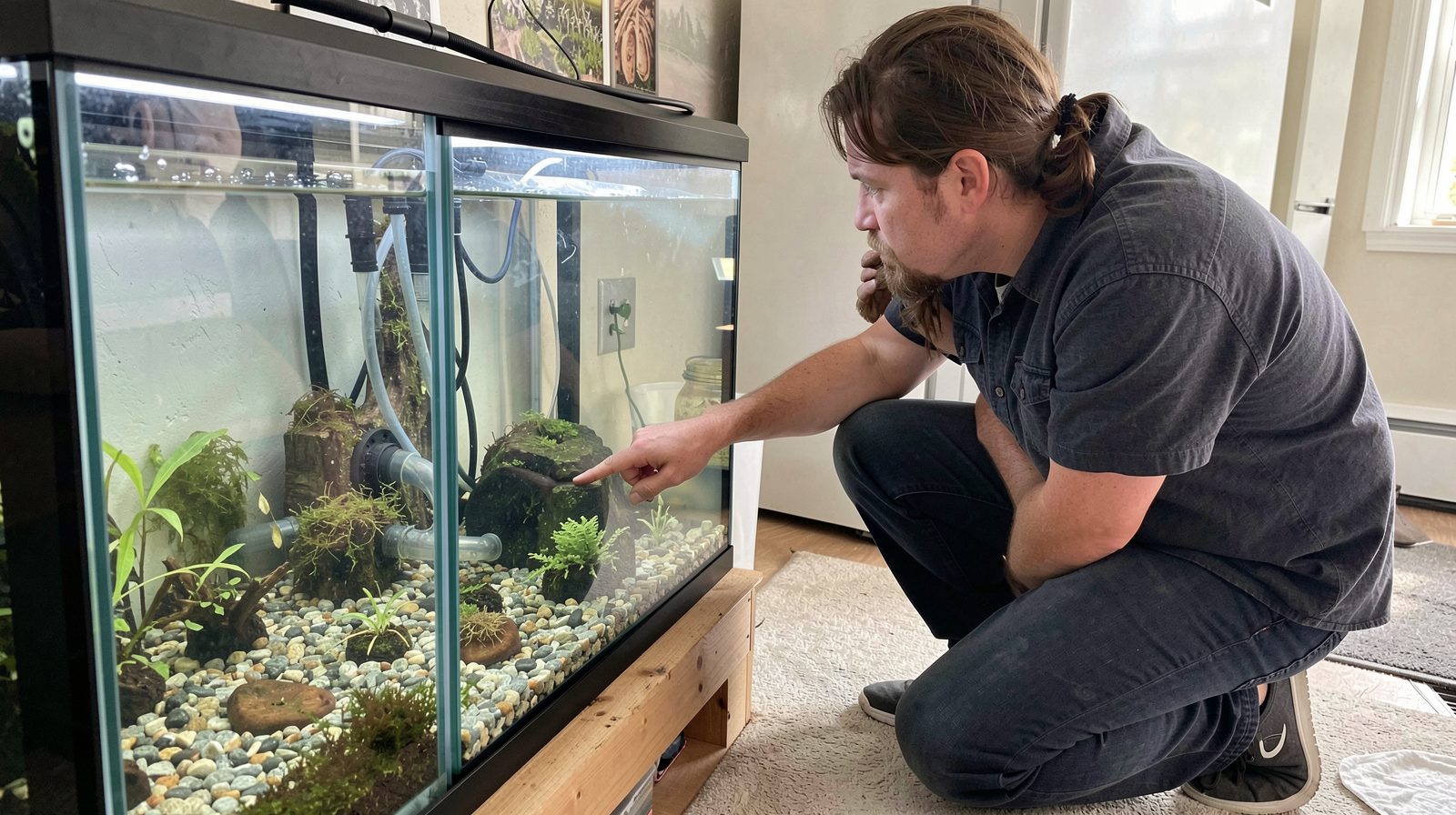
If you notice that your water flow has started to feel sluggish or the return line isn’t performing like it used to, don’t just assume the pump is dying. There are several common issues I see in my own tanks and in setups I help others with. You can usually diagnose the problem by following this checklist:
- Check for Debris: Over time, algae, fish waste, or minerals can build up inside the plumbing. Even a small amount of “gunk” in an elbow fitting can significantly increase head loss.
- Inspect the Intake: Ensure the intake screen isn’t partially blocked by decorations or heavy growth. A restricted intake is just as bad for flow as a restricted return line.
- Verify Pump Integrity: Check if the impeller is spinning freely. Sometimes sand or small debris gets into the pump housing and prevents it from turning at full speed.
- Check Pipe Diameter Consistency: Ensure that no sections of your plumbing have been swapped for smaller diameter tubing by mistake during a repair.
If you’ve checked all these points and the flow is still weak, then it might be time to consider if the pump is simply undersized for the total head loss of your specific layout.
Source: Reefs.com
Get new newsletter issues, guides, and product updates by email.