Reef Factory Ownership: What This Means for Your Connected Reef Gear
Written by Diamond Dave — October 3, 2026
A look at the stability of your automation systems after the ownership change.
The newsletter for advanced reef keepers who need to know if their dosing system is going to keep talking to the cloud next month.
So, what’s going on with Reef Factory?
You might have seen some chatter lately regarding Reef Factory changing hands. When a company that handles our “connected” gear gets bought out or restructured, it usually sends a bit of a ripple through the hobby. For those of us who rely on their systems for remote monitoring or automated dosing schedules, any change in ownership can feel like a gamble. The main reason this matters right now is simple: we need to know if the software backbone—the part that lets you check your parameters from your phone while you’re at work or just sitting on the couch—is going to stay stable. It’s not about the brand name changing; it’s about whether the servers will keep running and the apps will stay updated. I don’t believe in jumping into a panic every time there is news of a merger, but as hobbyists, we have to weigh the convenience of “smart” features against the reality of what happens if that tech takes a tumble during a transition period.
The Smart Stuff: Cloud Stability and Connectivity
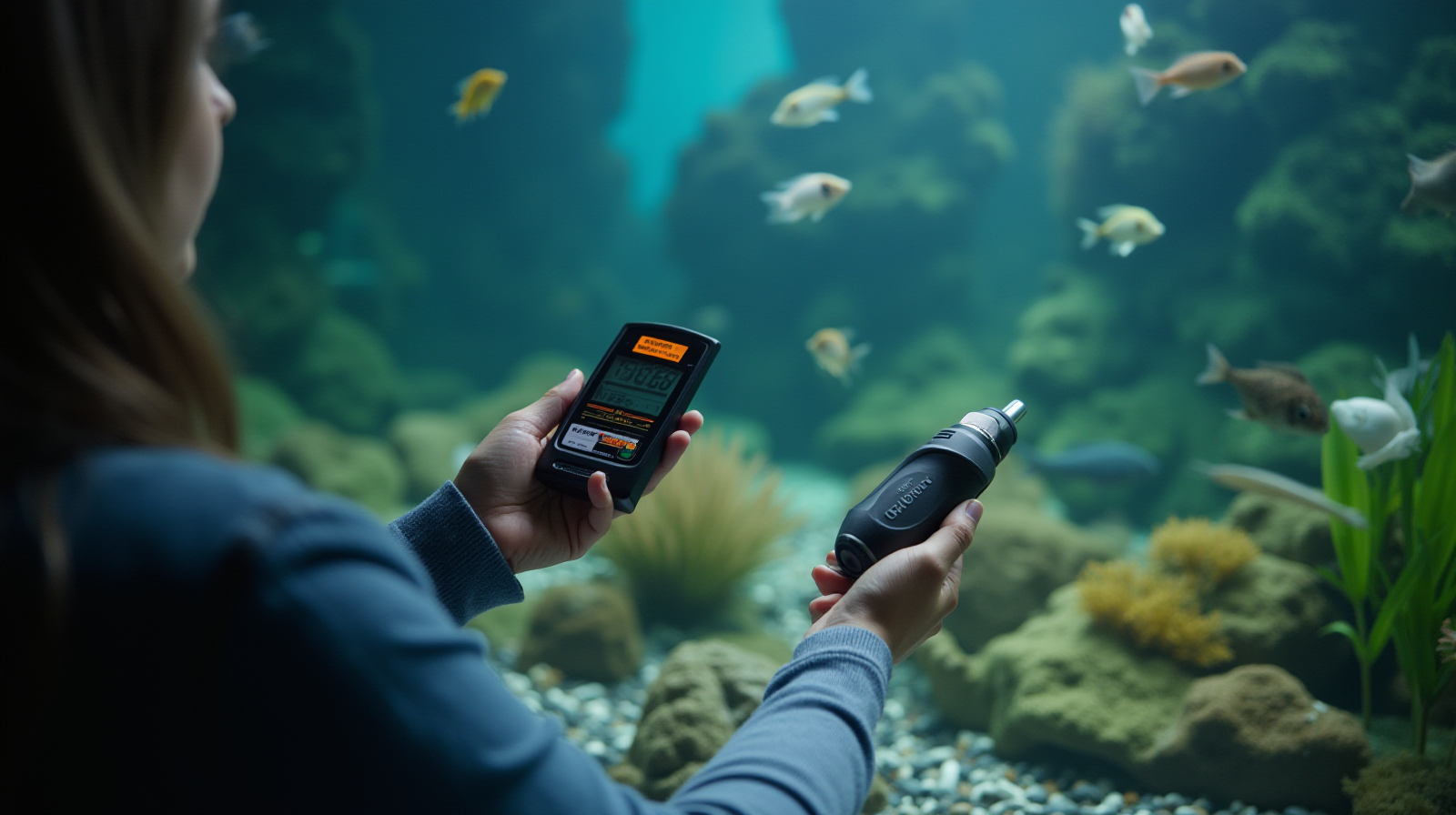
When it comes to cloud-based systems, stability is everything. If you use Reef Factory for remote dosing or real-time alerts on your water chemistry, you’re relying on their servers to bridge the gap between your home network and your phone. During an ownership transition, these “backend” services are often what people worry about most. In my experience with various reef systems, a change in leadership usually means one of two things: they either keep everything exactly as it is because the current system works, or they start overhauling the software to fit a new vision. While we can’t know for certain what their internal roadmap looks like today, the goal for any responsible owner is to ensure your primary life-support systems aren’t solely dependent on a cloud connection that might be in flux. If you use these tools, it’s worth keeping an eye on official updates regarding their server status and app stability over the coming months.
What to Check On Your End Today (Pre-emptive Maintenance)
Rather than worrying about what they are doing behind closed doors, I find it’s more productive to look at what you can control in your own fish room right now. If there is any instability with a cloud provider, having your local setup dialed in perfectly gives you a buffer. I recommend taking an afternoon to do a little “housekeeping” on your hardware connections. Here is a quick checklist of things you should verify today:
- Firmware Versions: Check that all your controllers and dosing pumps are running the latest manufacturer-approved firmware.
- Local Network Stability: Ensure your Wi-Fi router isn’t overloaded; sometimes “cloud” issues are actually just local signal drops.
- Physical Connections: Double-check that every power cable and communication wire is seated firmly in its port.
- Backup Schedules: If you have automated dosing, verify the volumes and concentrations manually one last time.
Taking these steps ensures that even if a cloud sync takes an extra minute to load, your hardware knows exactly what it needs to do.
Compatibility Headaches and What Not To Overthink
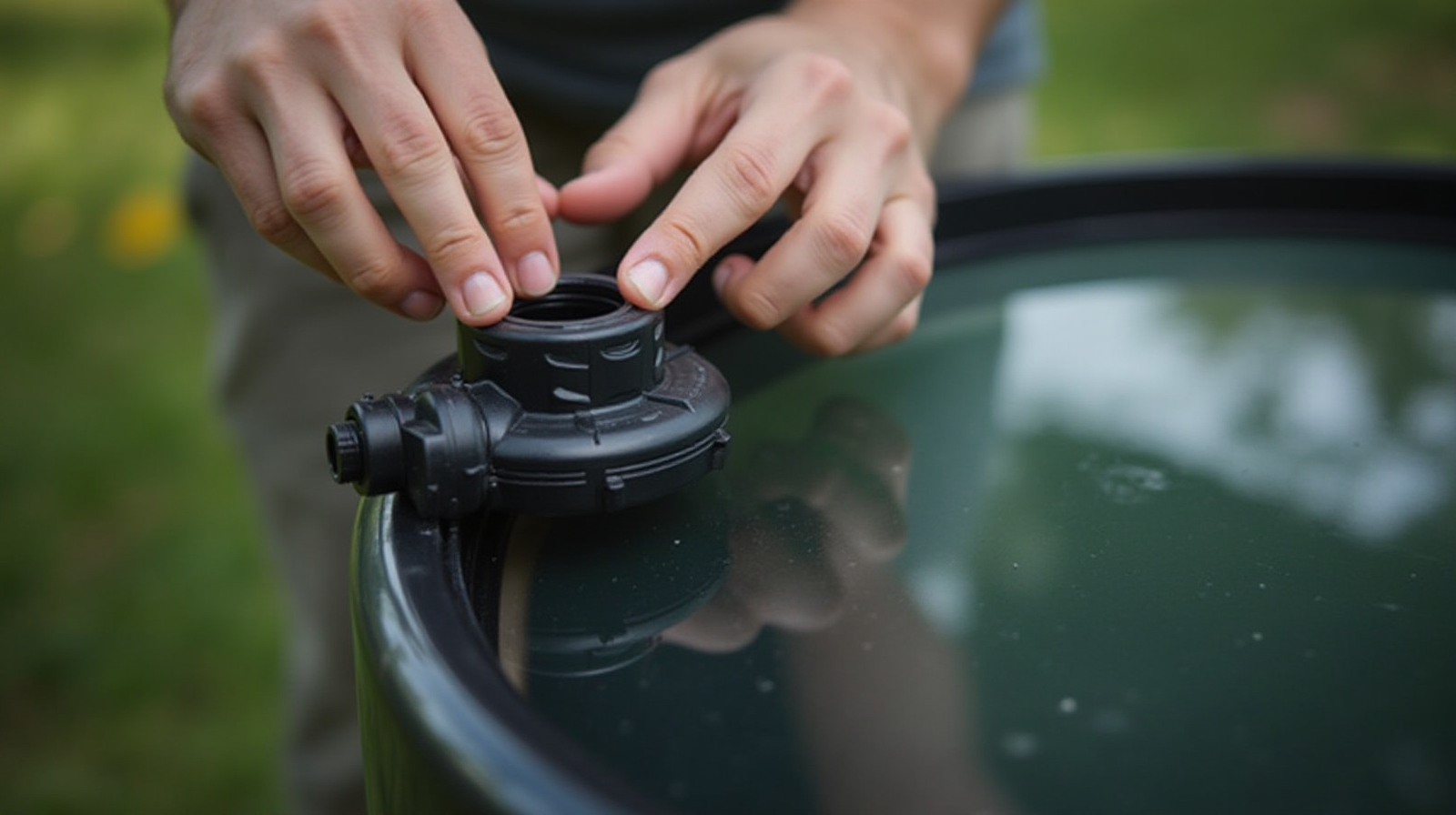
It is easy to start scrolling through forums and worrying about whether you need to rip out your current gear or buy a replacement “compatible” system because of these rumors. I want to tell you straight: don’t overcomplicate this one. Unless they announce that they are discontinuing support for specific models entirely, the physical hardware in your tank is still going to do its job. A dosing pump doesn’t care who owns the company; it just needs power and a signal to move fluid. Don’t go out and buy new gear based on “what if” scenarios regarding software updates. Focus on what you have in front of you. If your current setup works for your specific tank goals, stay the course. We want to avoid unnecessary spending on “new” solutions to problems that might not actually manifest as issues for your day-to-day maintenance.
Keeping the Core Stuff Running When The Cloud Goes Quiet
At the end of the day, we have to remember why we keep fish in these tanks—because we enjoy them. While remote monitoring and smartphone notifications are incredibly convenient “quality of life” features for us as hobbyists, they aren’t the primary reason your reef stays alive. A stable reef is built on reliable hardware: a functioning protein skimmer, consistent water flow, and steady dosing. Even if the internet goes out or a cloud service has a hiccup during a transition period, your local timers and automated cycles should remain functional. If you find yourself relying heavily on “smart” features for something critical, it’s always a good practice to have a manual backup plan in mind. Think of the cloud as a very helpful assistant; it’s great to have it there, but you want to make sure your tank can still thrive if that assistant takes a day off.
Source: Reefs.com
Get new newsletter issues, guides, and product updates by email.