Scaling Up: Lessons from Big Reef Tanks Over Time
Written by Diamond Dave — October 15, 2026
What the long haul teaches you about maintenance and growth.
The newsletter for intermediate reef keepers who are ready to stop guessing with their equipment choices.
When ‘Good Enough’ Isn’t Good Enough Anymore
When I first started out with a small nano tank, “good enough” was a perfectly acceptable standard. You could get away with some basic filtration and manual water changes because the volume of water wasn’t massive. If something drifted slightly off, it didn’t usually cause an immediate catastrophe. But as you move toward those larger 300 or 400-gallon systems, that safety net starts to thin out. In a large reef tank, “good enough” isn’t just about the fish being alive today; it’s about building a system stable enough to last for years. You start realizing that while a small tank is easy to manage because of its size, a large tank stays healthy because of the intentionality behind the setup. Moving up in scale means moving away from “reactive” maintenance—fixing problems as they pop up—and toward “proactive” systems where you are anticipating issues before they affect your livestock.
The Stuff You Don’t Think About Until It Breaks (or Gets Too Big)
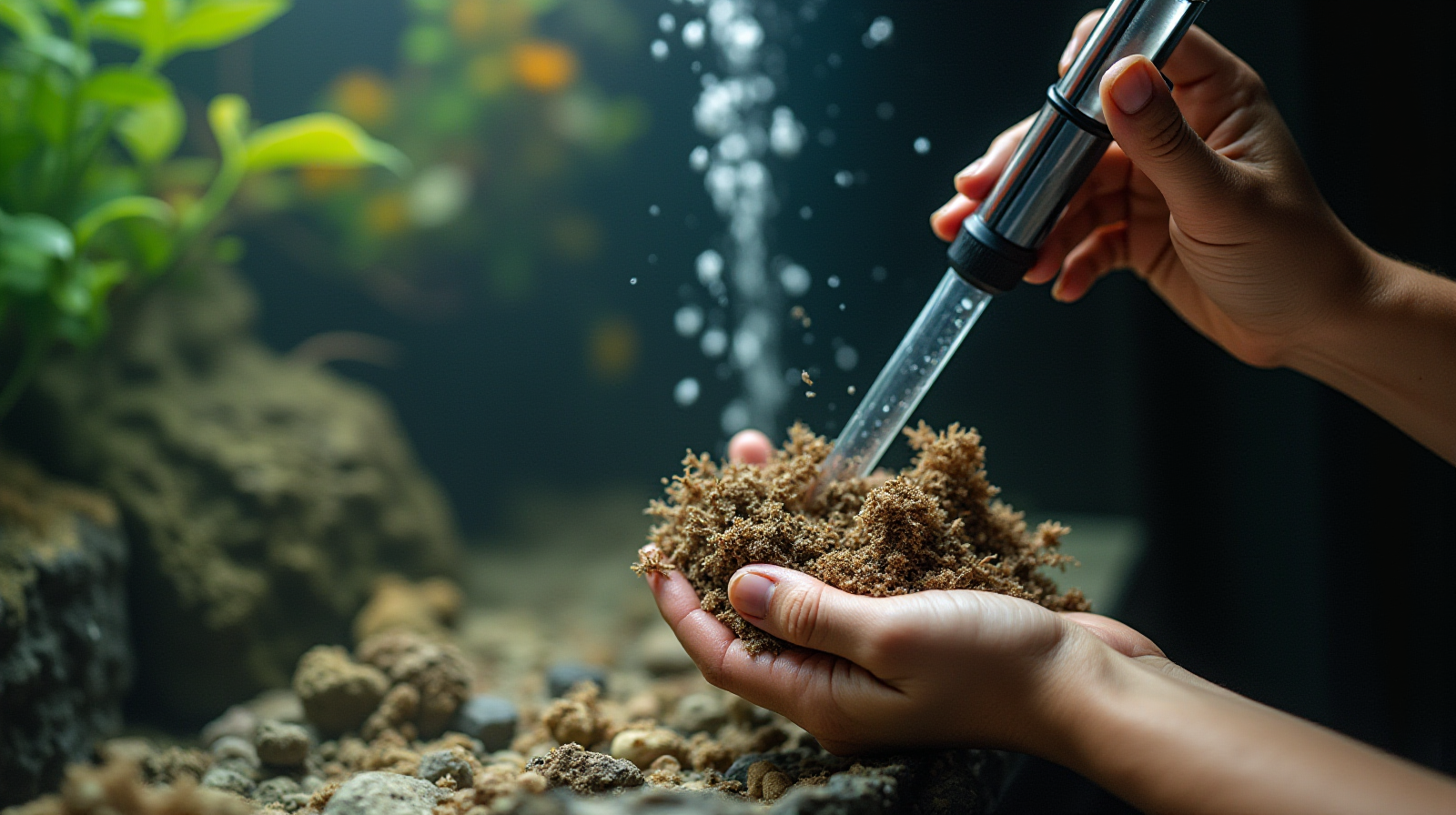
One of the hardest lessons I’ve learned in larger setups is that infrastructure matters more than aesthetics once you hit a certain volume. In a small tank, a single pump might do everything fine. In a massive system, if your primary return pump fails and you don’t have a backup or an oversized primary, you can lose a lot of livestock very quickly due to oxygen depletion. You also have to think about plumbing redundancy—having enough pipe and fittings so that the flow is consistent even if one component gets clogged with debris. It’s those “invisible” parts of the hobby, like high-quality plumbing and heavy-duty filtration components, that keep a large system stable.
| Infrastructure Need | Small Tank Context | Large Scale Requirement |
|---|---|---|
| Pump Capacity | Single pump is usually fine | Dual pumps or oversized primary units |
| Plumbing | Basic PVC/flexible tubing | Dedicated, sized-out plumbing runs |
| Filtration Space | Small canister or hang-on | Large sumps with dedicated zones |
| Backup Systems | Rarely necessary | Auto-fill valves and redundant pumps |
Dialing in the Chemistry: Moving Beyond Basic Testing
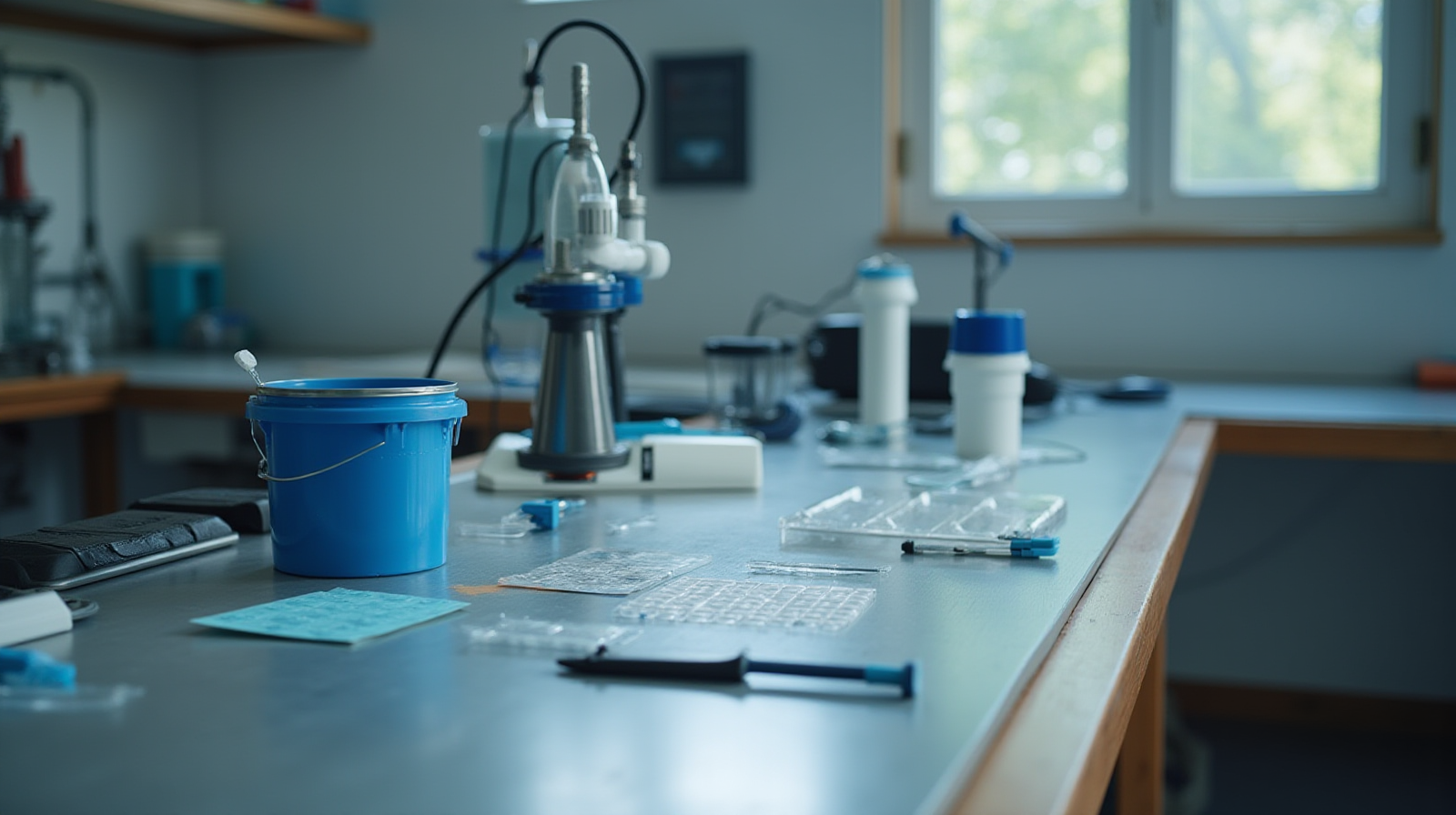
When you have a large bioload—which usually comes with bigger tanks—the chemistry becomes much more nuanced. In a small tank, your parameters might swing wildly because there isn’t enough water to buffer those changes. In a larger system, the goal is absolute stability. You aren’t just looking for “green” numbers on a test kit anymore; you’re looking for consistency over weeks and months. This means moving beyond basic weekly tests and starting to look at things like calcium, alkalinity, and magnesium levels with more precision. When you have hundreds of gallons of water, it takes much longer to move the needle, but once those levels are dialed in correctly, they stay there. It’s about creating a stable environment where your corals don’t experience “shocks” from sudden fluctuations, which is often what causes them to retract or bleach.
Handling Growth (And The Unexpected Neighbors)
Growth isn’t just about the fish getting bigger; it’s about the entire ecosystem expanding in ways you might not expect. In a large reef tank, algae can become an invasive force if your nutrient exports aren’t dialed in correctly. Because there is so much more surface area and “real estate,” certain types of nuisance algae can take hold quickly once they find a foothold. You also have to manage the physical space—making sure that as corals grow and colonies merge, you still have enough flow reaching every corner. It’s about managing an established ecosystem rather than just a collection of individuals. You learn to spot the early signs of a bloom or a localized dead zone and address it before it spreads. It requires a more watchful eye on how different species interact as they compete for space and nutrients over time.
The Tradeoff Talk: Size vs. Stability

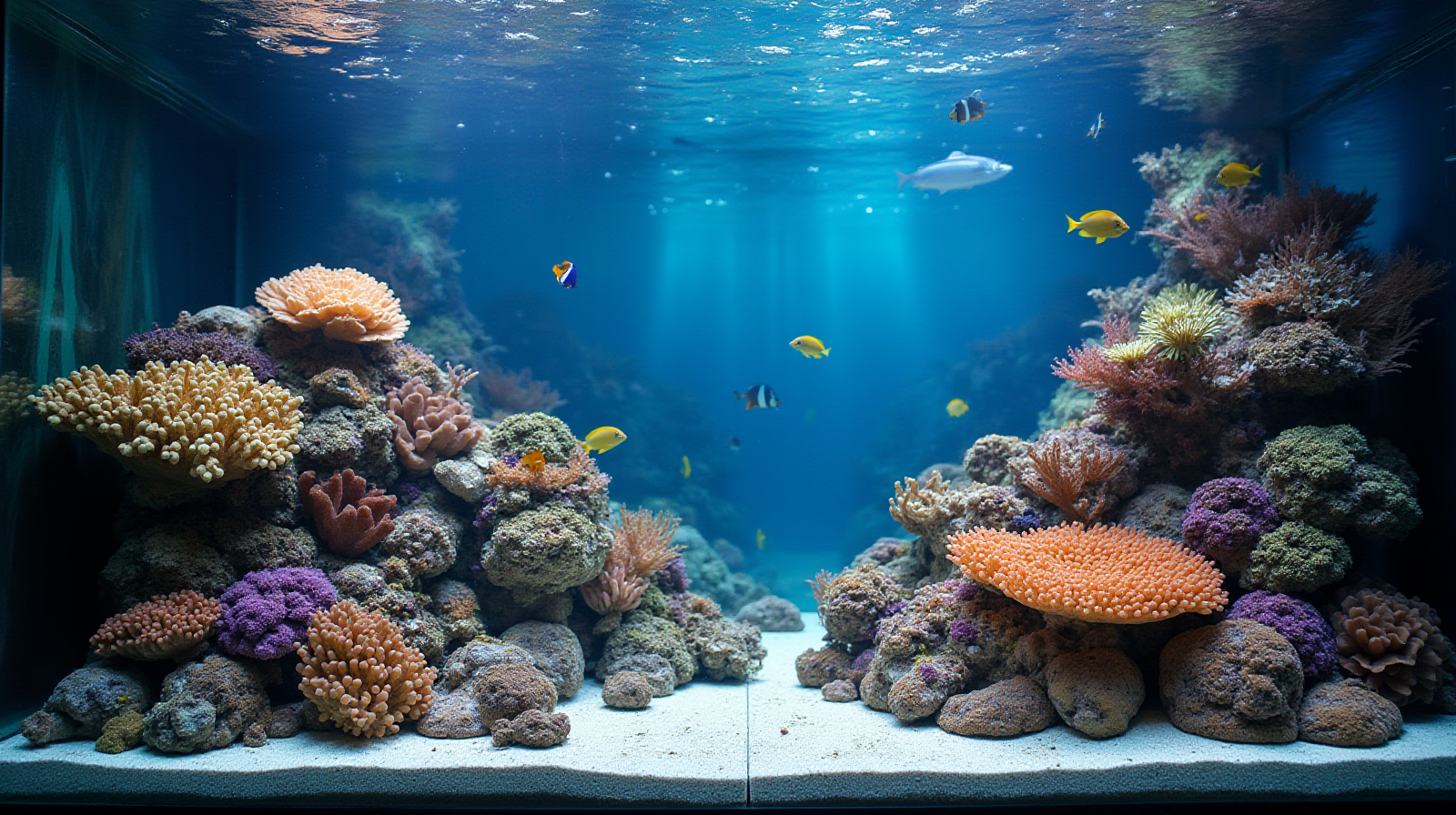
I want to be clear about what happens when you decide to go big. There is an incredible reward in the scale of a large reef—the sheer amount of water provides a massive buffer that makes it much easier to maintain stable parameters for sensitive species. However, that stability comes with a literal and figurative cost. Larger systems require more space, significantly higher electricity costs to run heavy-duty lighting and life support, and a much larger initial investment in equipment. You also have to be prepared for the “scale of work” involved; cleaning a 400-gallon system isn’t something you can do in five minutes on a Sunday morning. It’s a commitment of time and resources. If your goal is a low-maintenance hobby, staying with a smaller, well-maintained tank is often the smarter choice. But if you want to build an expansive, complex reefed environment, just be prepared for the fact that the larger the system, the more infrastructure and consistent attention it demands from you.
Source: Reefs.com
Get new newsletter issues, guides, and product updates by email.