Setting Up a Safe Spot for New Arrivals in Your Aquarium
Written by Diamond Dave — October 7, 2026
A plainspoken guide to quarantining new fish and invertebrates before they meet your main display tank.
The newsletter for curious hobbyists who want their established tanks to stay healthy while adding some new friends.
Why bother with quarantine? Don’t just ‘let them hang out.’
I know it’s tempting to just grab that new fish from the local shop and drop it straight into your display tank because you can see the beautiful scapes and the established plants. I did exactly that early on, and it taught me a hard lesson about how quickly one sick fish can ruin an entire ecosystem. When you skip the quarantine step, you aren’t just risking the health of the new arrival; you are potentially inviting parasites, fungal infections, or bacterial blooms into your main tank where they can jump from host to host.
Think of it as a waiting room. You want to make sure the fish is actually healthy enough to survive the stress of moving house before it meets your “residents.” It also gives you time to spot issues like heavy parasite loads that might not show up immediately but would be devastating in a large community tank. Taking an extra two weeks for quarantine isn’t being difficult; it’s just practical insurance for your hobby.
Getting the tank ready: What gear do I actually need?
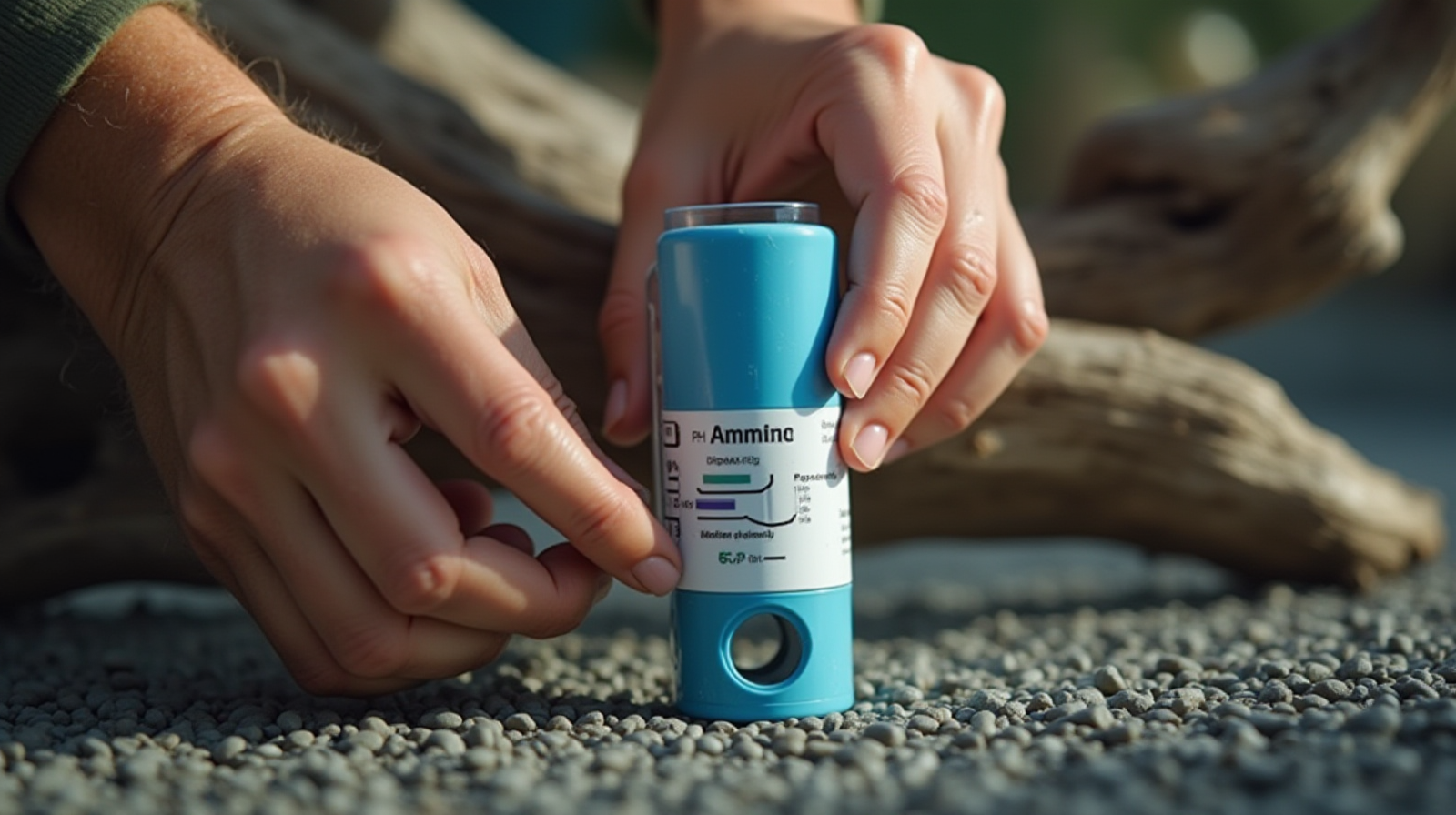
You don’t need to build a high-tech laboratory to run a successful quarantine setup, but you do need something stable. The goal here is simplicity so that the fish aren’t stressed by complex equipment while they are already dealing with the move. You want a dedicated space—a small tank or even a large heavy-duty bin—that keeps them isolated from your main display.
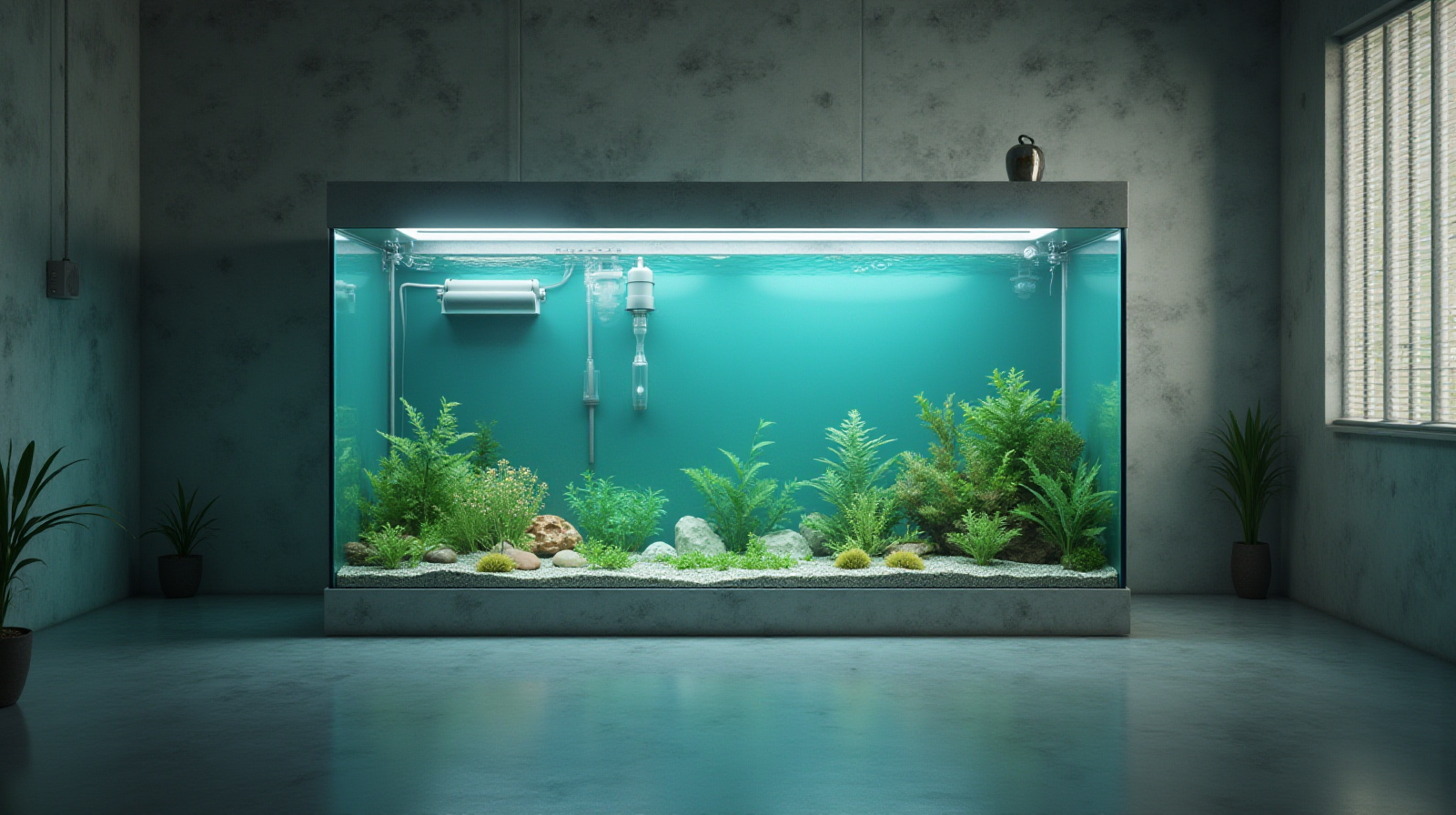
Here is what I consider the bare minimum for a functional quarantine area:
- A dedicated vessel: A 10 to 20-gallon tank is usually plenty for most common fish and invertebrates.
- Filtration: A simple sponge filter or a small power filter works well, but avoid “hang on back” filters with complex internal plumbing that might trap debris.
- Heating: A standard submersible heater to keep the temperature consistent (this is vital; fluctuations cause stress).
- Aeration: An air stone or bubbler to ensure enough oxygen is in the water.
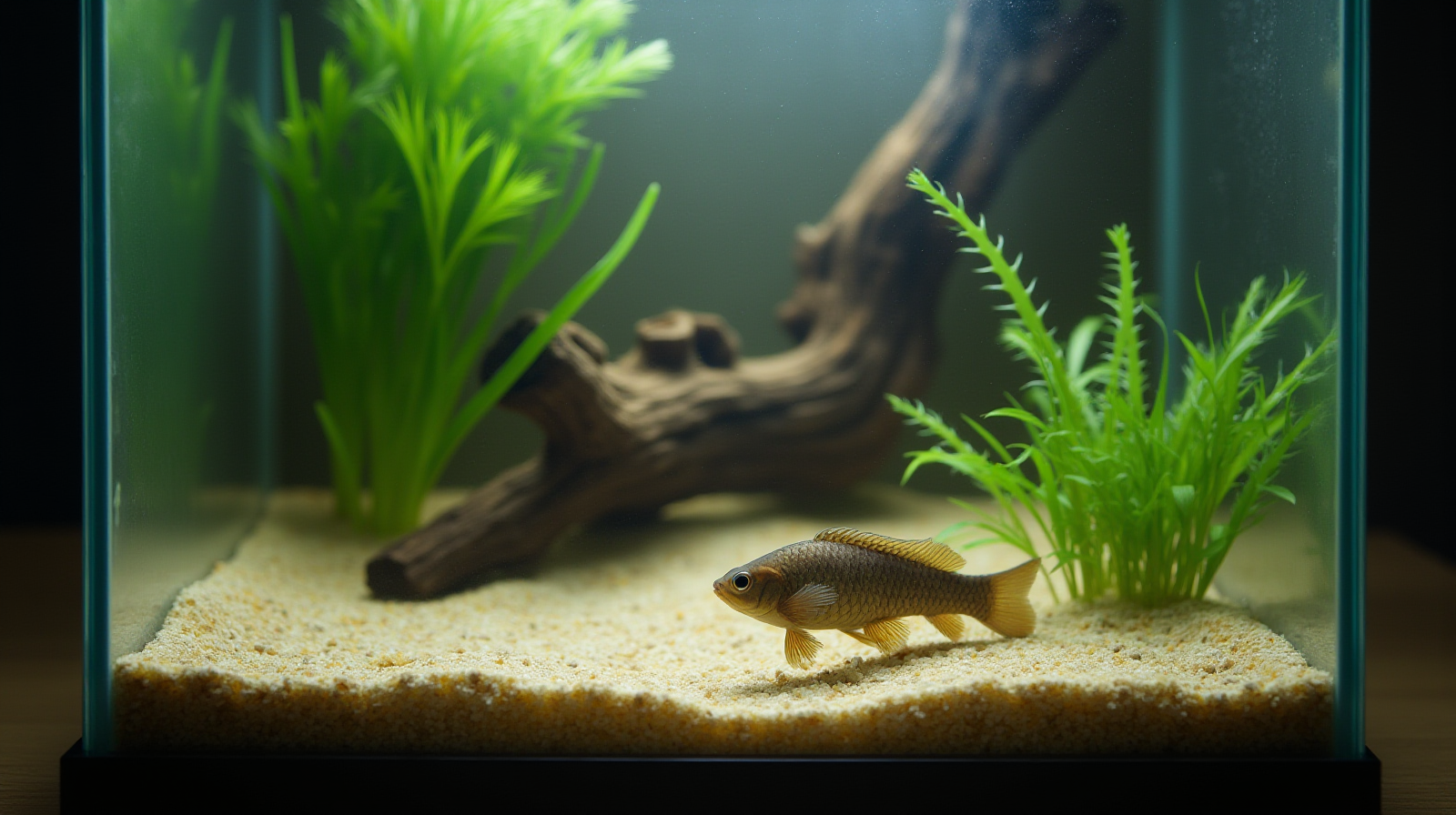
- Basic Substrate/Decor: You don’t need a masterpiece here, but some rocks or a few hardy plants can give them something to hide behind so they don’t feel exposed.
Matching the water chemistry is non-negotiable.
One of the biggest mistakes I see people make is moving a fish into a quarantine tank that has wildly different parameters than its original bag. The “shock” isn’t just about temperature; it’s about the chemical makeup of the water. If your main display and your quarantine tank have vastly different pH levels or hardness, you are forcing the fish to adapt twice in a very short window.
When I set up my own quarantine areas, I try to keep the parameters as close to the source’s conditions as possible for the first few days. This means:
- Temperature: Use a thermometer to ensure your heater is dialed in correctly before the fish arrives.
- pH and KH: If you can, test these before the move.
- Slow Acclimation: Always use the drip method or a slow bucket-pour method when moving them from their transport bag into the quarantine tank. This gives their internal systems time to adjust without panicking.
The observation routine: What am I looking for every day?
Once your new fish are in the “waiting room,” you need to become an observer. You don’t need a medical degree to see if something is wrong; you just need to know what “normal” looks like. Spend five minutes a day just watching them move and interact with their environment. I look for specific red flags that suggest the fish might have been struggling before it even reached my door.
Keep an eye out for these common issues:
- Erratic Swimming: Is the fish darting around wildly or sitting at the bottom of the tank for hours?
- Physical Signs: Look for cloudy eyes, frayed fins, or any spots that look like white fuzzy patches (which could indicate fungus).
- Appetite: A healthy fish should start taking food relatively quickly. If it refuses to eat entirely for several days, something is off.
- Gasping: Fish should never be hanging at the surface trying to gulp air; this usually means there isn’t enough oxygen or the ammonia levels are spiking.
Don’t forget about the ‘return plan’.
The final step—moving them into your main display—shouldn’t feel like a frantic move. By the time you decide it’s “go time,” they should have been in their quarantine tank for at least two weeks, showing consistent behavior and healthy eating habits. This period is also your chance to let the water chemistry stabilize as they adjust to the specific minerals and bacteria of that local environment.
When you do move them into the main tank, treat it with the same care as the initial entry into the quarantine tank. Don’t just dump them in; use a slow drip acclimation process again. This gives their bodies one final chance to adjust to your display’s specific water chemistry. It takes patience, but taking these extra steps ensures that when they finally join your main community, they are healthy enough to thrive rather than just survive the transition.
Source: AquaticRig
Get new newsletter issues, guides, and product updates by email.