
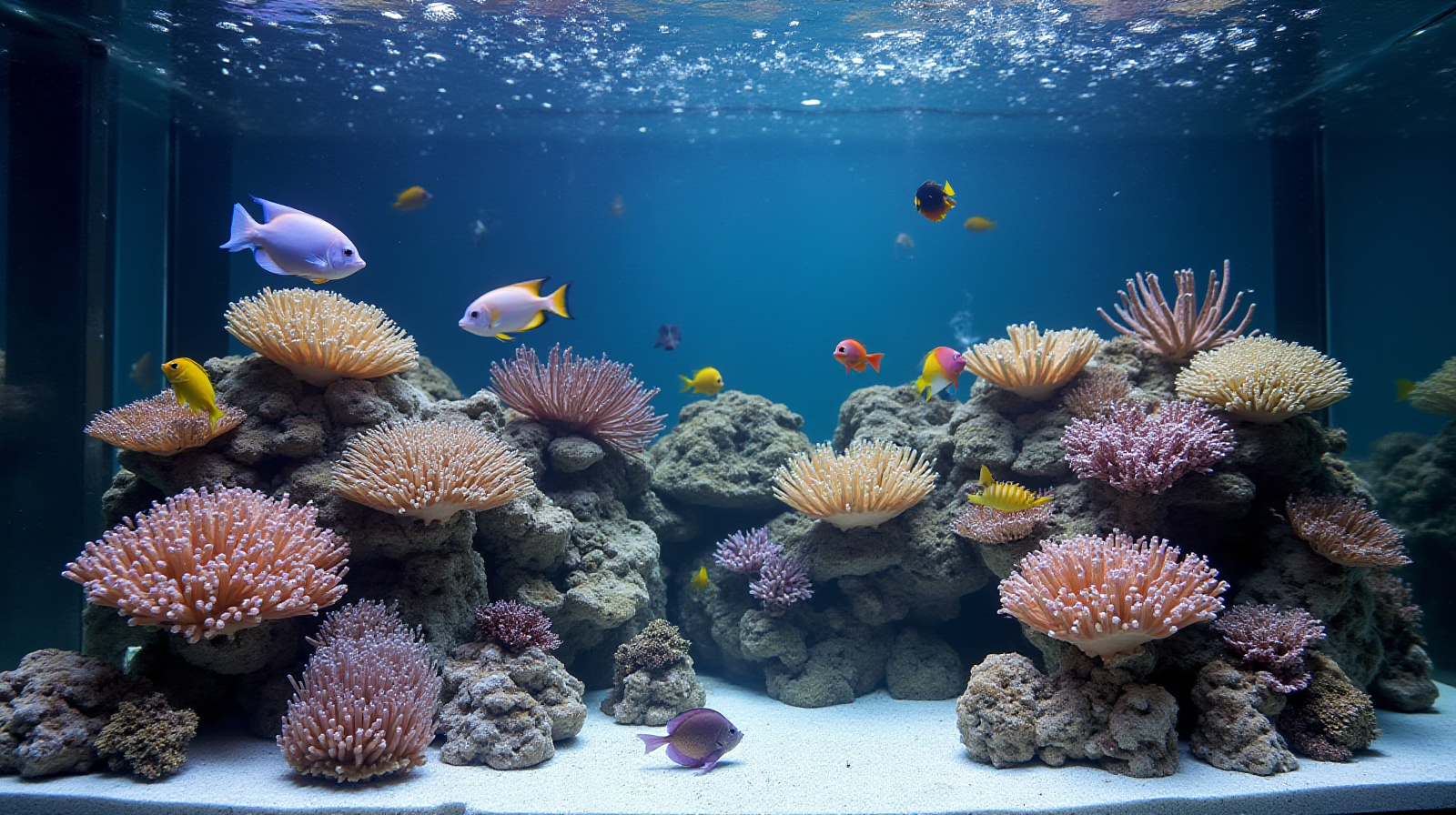
Talking Reefs: A Look at Perfect Corals and Your Setup
Written by Diamond Dave — September 29, 2026
Walking through a major coral supplier's philosophy for keeping healthy reef tanks.
The newsletter for intermediate saltwater keepers who want to build out their corals without guessing which species will thrive in your specific local water parameters.
So, what are we even looking at here?
When you start looking into reef keeping, one of the first hurdles is figuring out where to actually get your corals. You can buy a small piece from a local fish store (LFS) that might have been sitting in a display tank for weeks, or you can source from larger facilities like Perfect Corals. The difference usually comes down to consistency and health. Large-scale producers focus on “source” quality—meaning they try to keep the coral in stable environments as long as possible before it hits your doorstep. When I started out, I didn’t know much about where these things came from; I just knew that a stressed coral is an unhappy coral. Buying from a reputable facility means you’re more likely getting something that hasn’t been tossed into three different tanks in the last month. It’s not about being fancy; it’s about making sure the piece of reef you spend your hard-earned money on actually has a fighting chance to survive the move to your living room.
The talk about ‘ecosystem’—what does that mean for my tank?
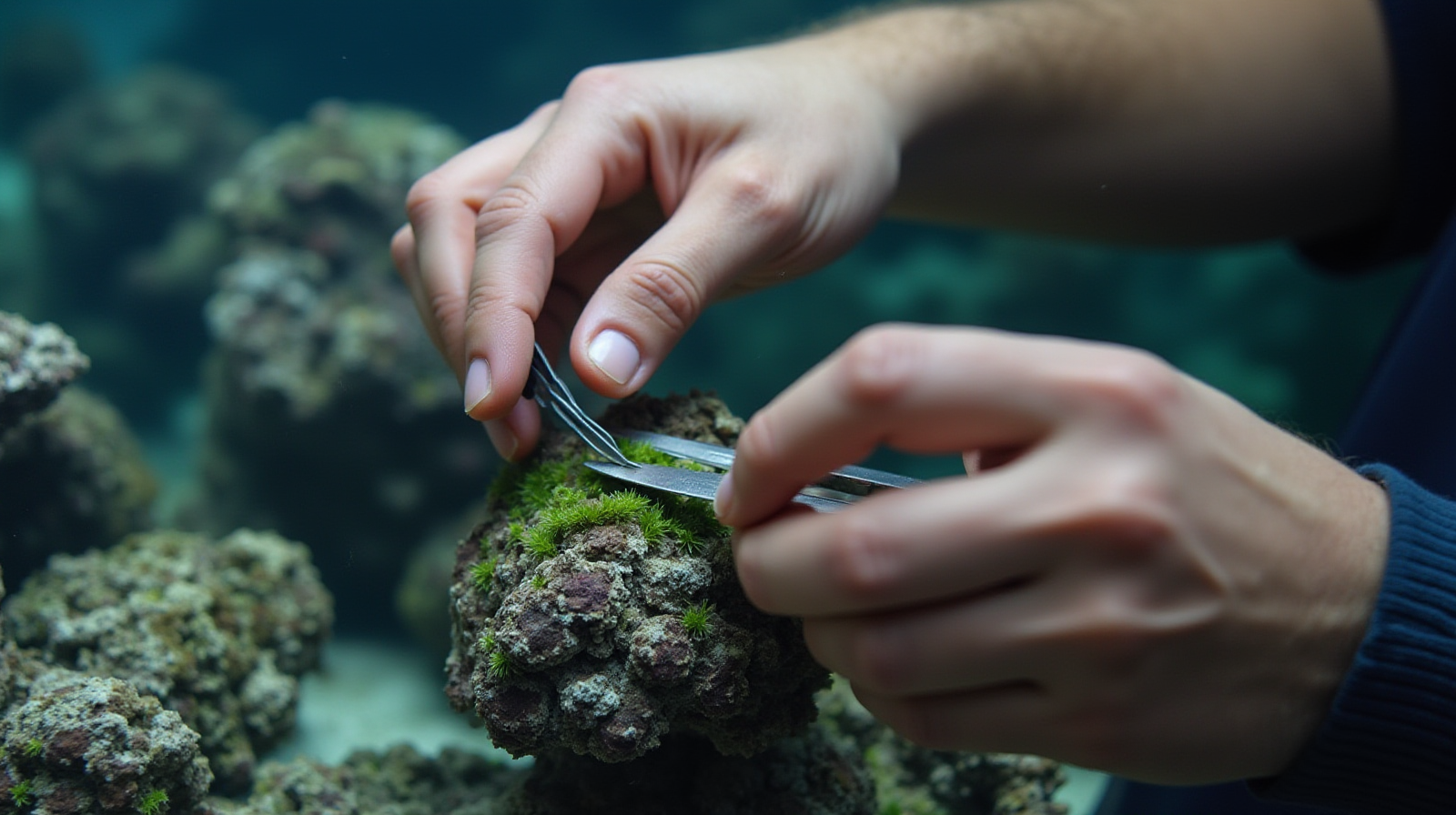
You might hear people in the hobby talk a lot about “the ecosystem.” It sounds like fancy jargon, but in my experience, it’s just a way of saying that no coral lives in a vacuum. A reef isn’t just a collection of pretty rocks; it’s a balanced cycle of chemistry, light, and movement. When a supplier talks about an ecosystem-based approach, they mean they aren’t just trying to sell you a single Polyp_of_the_Month. They are looking at how the coral interacts with its neighbors and the water around it. For your home tank, this means that if you want a specific coral to thrive, you have to provide the environment it grew up in. If you just drop a piece of reef into a tank where the water is stagnant or the light is wrong, the “system” fails for that individual. Understanding this helps you realize that when something goes wrong with a new addition, the problem is usually the environment, not necessarily the coral itself.
Getting your hands dirty: Coral selection and acclimation.
When you go to pick out your first few corals, don’t just grab the one with the biggest colors—those are often the ones being pushed by sellers because they look great for a photo but might be stressed. Look for “meatiness” and solid tissue. You want something that looks like it’s settled in. Once you get those pieces home, the acclimation process is where most people get nervous. I always tell folks to take it slow. Instead of just plopping them in, use a drip system or a slow flow of tank water into your bucket for an hour or two. This gives the coral time to adjust to the change in salinity and temperature without going into shock. It’s about gradual changes.
| Acclimation Step | Purpose | Typical Duration |
|---|---|---|
| Temperature Match | Ensure no thermal shock | 30-60 minutes |
| Salinity Match | Slow adjustment to your water chemistry | 60-120 minutes |
| Water Movement | Get the coral used to your pump flow | Constant during move |
It’s not just about the coral, either. Water parameters matter most.
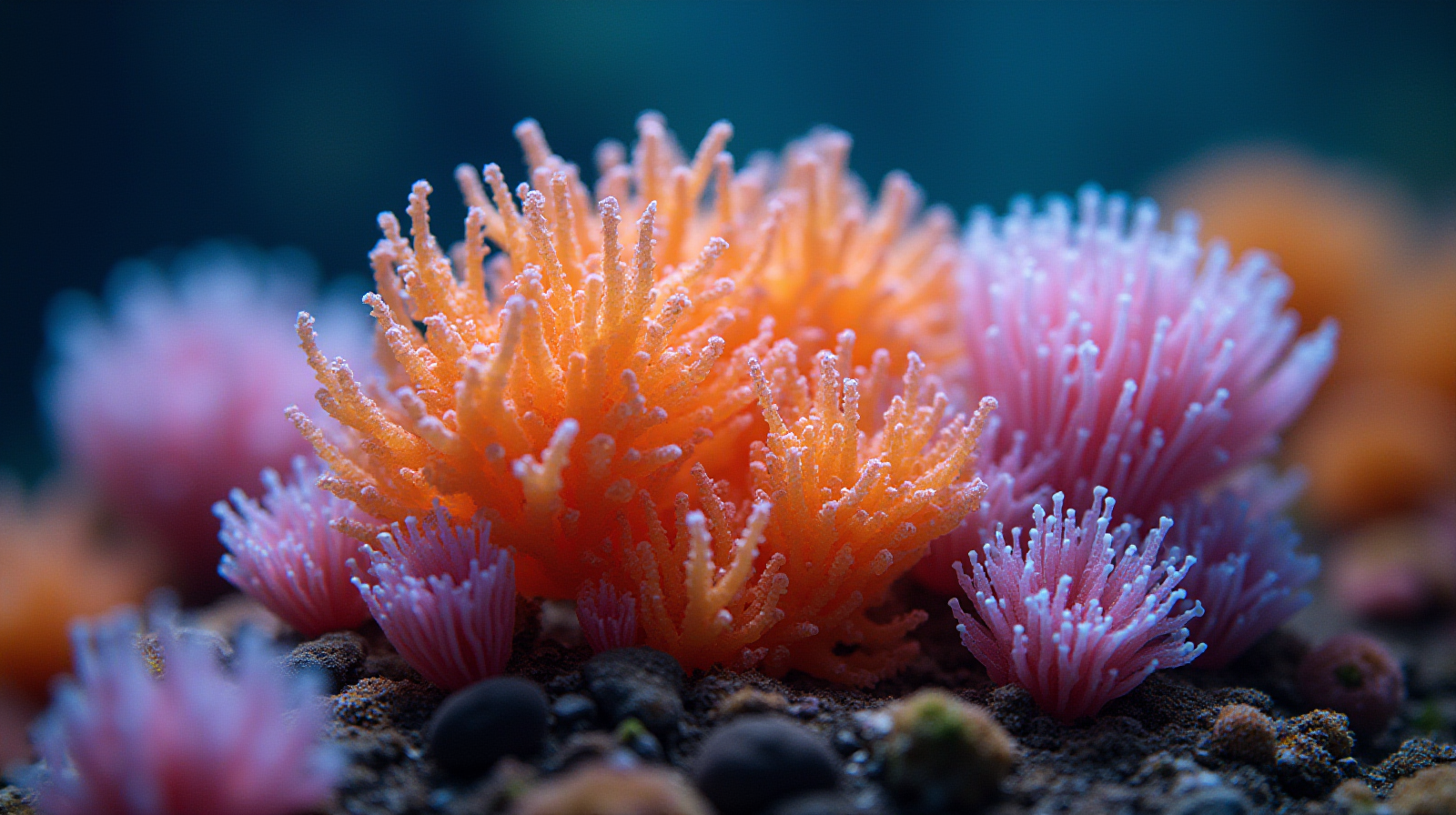
I’ve seen people spend a fortune on “premium” corals only to have them die within a week because their basic chemistry was off. You can source the highest-quality specimen in the world, but if your calcium levels are swinging wildly or your nitrates are spiking, that coral won’t make it. Think of the coral as the guest and your water parameters as the house. If the house is falling apart, the guest won’t stay. Focus on getting your basics dialed in before you go hunting for exotic species. This means consistent testing, stable temperatures, and enough flow to move nutrients away from the coral tissue. I’ve had many “failures” in my own tanks where it turned out to be a simple mechanical issue or a chemistry spike that could have been caught with a steady routine.
Keep it simple: What are common rookie mistakes when upgrading your reef?
One of the biggest traps I see people fall into is trying to do too much at once. When you move from a basic fish tank to something with more complex coral, it’s tempting to add five different species in one weekend. This often leads to issues like overfeeding—where uneaten food rots and spikes your nutrients—or “over-tooling” the tank with gadgets that don’t actually help the corals. Another common mistake is ignoring flow; some corals need a gentle sway, while others need more of a push. If you notice one area of your reef looking dull or bleached, it’s often because the water isn’t moving enough in that specific spot. My advice is to add things slowly. Add one new coral, wait a few weeks to see how it settles into your system before adding the next. It saves you the headache of trying to troubleshoot five different problems at once when only one actually exists.
Source: Reefs.com
Get new newsletter issues, guides, and product updates by email.