
Thinking About New Clownfish? A Look at Designer Lines.
Written by Diamond Dave — October 18, 2026
What captive breeding means for the fish you eventually bring home and what to watch out for.
The newsletter for intermediate reef keepers who want reliable advice on fancy new livestock before dropping serious cash.
What’s the Deal with ‘Designer’ Fish?
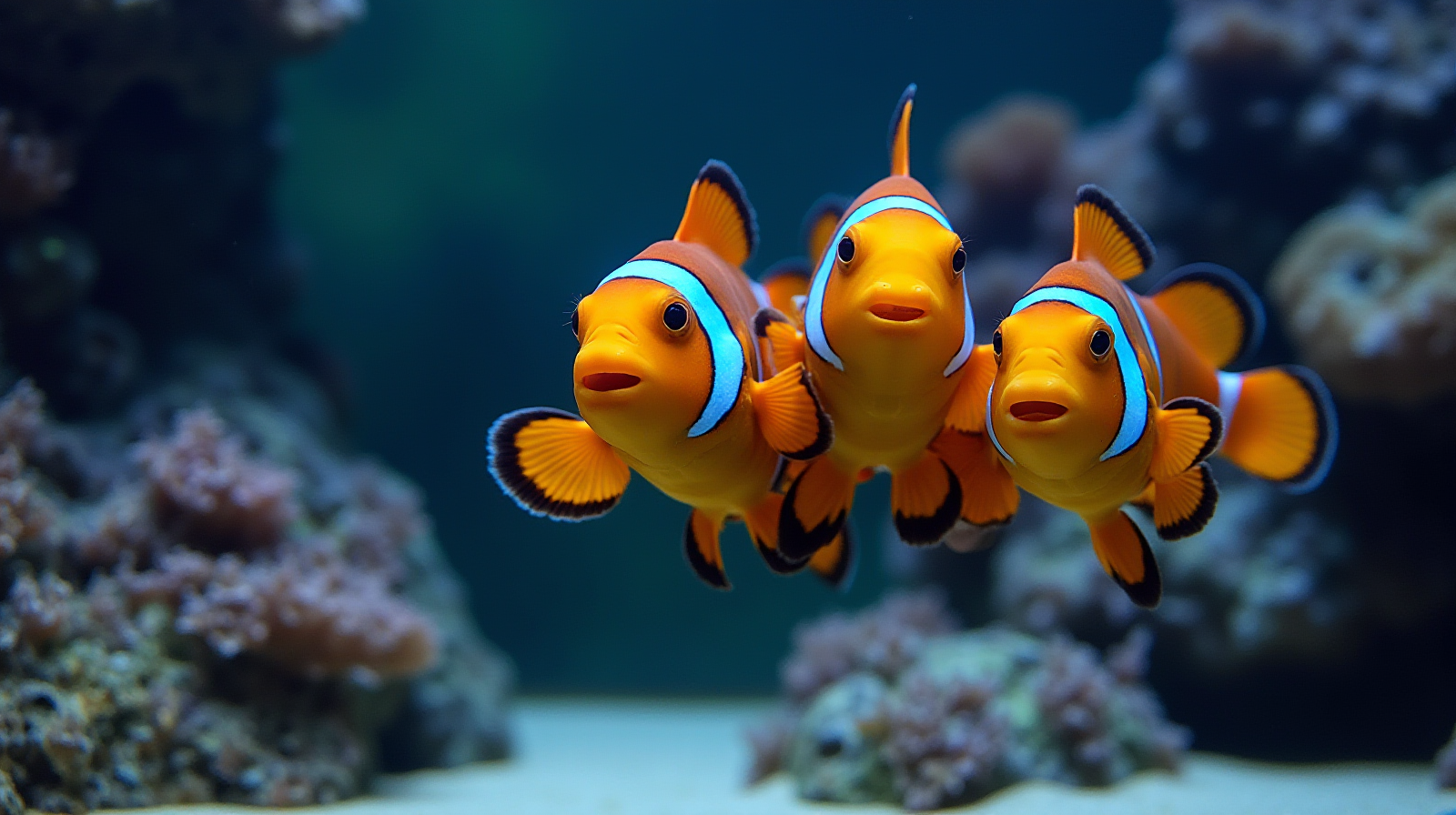
If you’ve spent any time browsing online shops lately, you might have noticed how much more “colorful” some clownfish look compared to the ones I grew up seeing in older hobbyist books. That is what people mean when they talk about designer lines or specific cultivars like the Peacekeeper Maroon. In simple terms, these fish are bred specifically for their visual traits—things like deeper oranges, darker maroons, or unique patterns that might not be as common in the wild.
While it sounds fancy, “designer” really just means a breeder has selected specific individuals over several generations to stabilize certain colors. It’s a bit different than what you see in nature; because they are bred for aesthetics, these fish can vary quite a bit from one individual to the next. One might be a showstopper while its sibling looks much more plain. When you’re deciding on your first few clownfish, just keep in mind that choosing a specific “designer” line is often about the look of the fish as much as it is about their hardiness.
Gettin’ Your Head Around Captive Breeding Traits
One thing I’ve learned from keeping various lines over the years is that how a fish is raised matters. Fish born and raised in a hatchery or a controlled breeding tank are generally very hardy because they don’t have to deal with predators or extreme weather right off the bat. However, this can sometimes mean their temperament is different than wild-caught counterparts. They might be a bit more “bold” or less cautious around your hands during feeding time because they aren’t expecting anything to jump out and grab them.
Regarding color stability, it’s something you have to watch closely. Sometimes these intense colors are tied to the specific conditions of the breeder’s tank. When you move that fish into your home system, their colors might shift slightly as they adjust to your lighting and water chemistry. It isn’t a failure on your part; it’s just biology reacting to a new environment. I always tell people not to expect a “perfect” look every single day of the year—fish have good days and bad days.
Making Sure the Source is Solid
Before you spend hard-earned money on a specific line, you want to make sure the breeder actually knows what they are doing. A reputable breeder won’t just sell you a fish; they’ll be able to tell you where that lineage comes from and how they’ve been managed. You want a source that prioritizes the health of the fish over the “wow” factor of their color. If a seller can’t give you straight answers about their breeding practices or the specific needs of a designer line, that’s usually a sign to walk away.
When vetting a breeder, look for these three practical indicators:
- Transparency: Do they clearly state where the fish were born?
- Consistency: Does the “designer” trait stay consistent across different individuals in their stock?
- Support: Are they willing to give you advice on how to keep that specific variety healthy?
A good breeder wants your tank to succeed because a happy customer means more business for them. They should be able to tell you exactly what they’ve seen work best for these fish over the long haul.
The Transition Period: Getting New Fish Acclimated Right

Moving a fish from a bag into your tank is one of those moments where it’s easy to get nervous, but if you follow a steady process, it keeps things simple. I don’t recommend just “dropping” them in, even if the water looks similar. You want to give their systems time to adjust to your specific chemistry. The goal is to slowly change the temperature and the pH/salinity levels so the fish doesn’t go into shock.
Here is a standard way to handle this:
- Temperature: Use a heater or a circulating pump in the bag to bring the water up or down by about 1-2 degrees every 10 minutes until it matches your tank.
- Water Chemistry: Slowly add small amounts of your own tank water into the bag over 20 to 30 minutes. This gradually introduces them to your minerals and chemistry.
- The Move: Once the numbers are close, move them in.
This process takes time—sometimes an hour or more—but it’s much better than a quick transition that stresses the fish out for days afterward. Patience here pays off in a calmer, healthier fish.
What If Things Go Sideways? Keeping It Simple.
It’s easy to get overwhelmed when something isn’t going perfectly. Maybe the new clownfish is hiding more than you expected, or maybe their color doesn’t pop as much as it did on the breeder’s website. My best advice is to keep it simple. Most “problems” in a home aquarium come from over-adjusting things that are actually working fine. If the fish is eating and moving around, don’t feel like you have to change your entire lighting setup or start adding complex additives just to get a specific hue of orange.
If you notice a health issue, stick to the basics: check your temperature stability, ensure your filtration is running correctly, and make sure they aren’t being bullied by tank mates. Don’t try to “fix” everything at once with fancy products or complicated chemistry hacks. Most of the time, a stable environment is all the fish needs to thrive. If you find yourself stuck on a specific problem, it’s always better to reach out and get a second pair of eyes rather than guessing in the dark.
Source: Reef Builders
Get new newsletter issues, guides, and product updates by email.