
What All That Reef Science Means for Your Living Room Tank
Written by Diamond Dave — October 6, 2026
Taking a look at the latest high-tech concepts—from AI to microbiology—and what you can actually use in your own setup.
The newsletter for dedicated reef keepers who want to understand complex science without needing a PhD or emptying their savings account.
So much science. What does it mean for my Norman living room reef?
When you start reading up on modern marine biology, it can feel like a lot of “noise” is designed to make things sound more complicated than they actually are. You see terms like automated nutrient dosing cycles and complex microbiological assays, and it’s easy to think your hobby requires a PhD just to keep some coral alive in your living room.
In my experience with these tanks over the years, I’ve found that most of this high-level science is about solving problems for massive, multi-tank commercial installations or huge public aquariums. For us at home, we don’t need a laboratory setup to have success; we just need to understand the basics of what keeps our fish and corals healthy. The “science” really boils down to three things: stability, cleanliness, and proper light. If you can manage those three things consistently, you’re doing exactly what the high-tech labs are trying to achieve with their complicated sensors and software. You don’t need a degree; you just need to pay attention to your tank.
Microbiome stuff: Are we really going to need a culture of bacteria next month?

There is a lot of talk lately about “microbiome management” as if we need to be culturing specific strains of bacteria in petri dishes to keep our tanks running. Here is the reality for most of us: your tank’s health depends on having a robust, established colony of beneficial bacteria that can process waste and cycle nutrients.
You don’t need to worry about “culturing” anything next month unless you are starting a brand new system or have just suffered a major equipment failure. Instead of worrying about the abstract science of microbiology, focus on measurable parameters that tell you if your “good guys” are doing their jobs:
- Ammonia and Nitrite: These should be at zero in a mature tank.
- Nitrate Levels: You want to keep these stable and within a range that doesn’t stress your livestock.
- Water Clarity: If the water looks “off” or cloudy, it usually means the balance is tipped.
If those numbers stay steady, your microbiome is doing its job perfectly without you having to micromanage it with fancy additives.
The ‘AI’ angle: What automated monitoring actually helps us with.
The buzz around AI and smart sensors in the reef world can be intimidating. It sounds like a requirement for success, but I prefer to look at these tools as “helpers” rather than requirements. Automation is great because it removes human error—like forgetting to turn on a feeder or missing a slight rise in temperature overnight—but it doesn’t replace your eyes and ears.
For most home setups, the real value of high-tech monitoring isn’t some advanced AI making decisions for you; it’s simply getting an alert on your phone if something goes wrong while you aren’t looking. It takes the guesswork out of “Is my pump running?” or “Did I leave the lights off too long?” However, don’t feel like you have to buy a $500 controller just to keep some basic corals alive. A reliable timer and a regular check-in with your tank are still perfectly valid ways to manage a healthy reef without the high tech overhead.
Advanced coral keeping without going bankrupt.
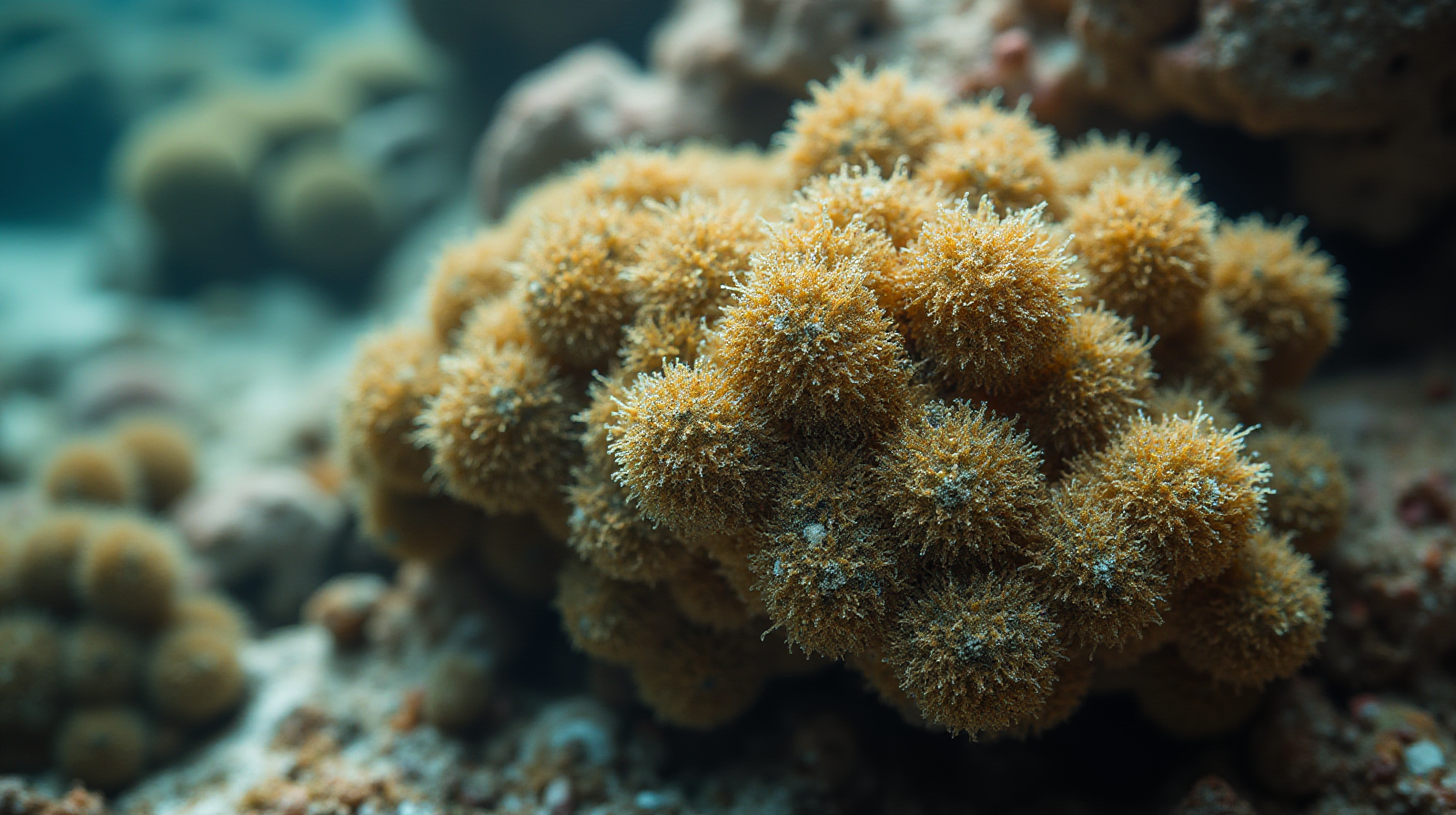
You do not need a massive budget or rare, “elite” specimens to have a beautiful reef. Some of the most advanced techniques used in professional displays can be mimicked at home through simple adjustments to your existing equipment. For example, instead of buying complex automated dosing systems for every nutrient, you can achieve similar results by choosing hardy coral species that thrive on lower-intensity lighting and moderate flow.
If you want to “level up” without spending a fortune:
- Flow: Instead of multiple expensive pumps, try repositioning the ones you have to create more turbulent water movement near your corals.
- Lighting: Use different LED intensities or positions to mimic deeper water zones for certain species.
- Selection: Choose “beginner-friendly” corals that are hardy enough to handle some fluctuations in chemistry.
Focus on perfecting these basics first. A stable, well-maintained tank with commoner coral types will almost always look better than a high-tech setup where the owner is constantly struggling to keep everything alive.
The ‘Rescue’ Protocol: What happens when things go sideways?
Even with the best planning, every hobbyist eventually faces a “bad day” in their tank—a pump fails, a heater malfunctions, or you notice your fish are acting sluggish. When this happens, the goal is to move from panic to observation. Instead of trying three different chemical treatments at once, I always recommend a step-by-step approach:
- Identify the Source: Is it a water quality issue (nitrates/ammonia spike) or a physical issue (broken equipment)?
- Stabilize first: If you have an ammonia spike, do a large water change before adding chemicals. It’s the fastest way to lower toxins.
- Isolate if necessary: If one fish is sick but others are fine, move it to a quarantine tank.
Keep things simple when problems arise. Most “emergencies” can be solved by getting back to basics: fresh water, stable temperatures, and consistent oxygenation. Don’t let the complex science of reef keeping distract you from these fundamental first steps. If you ever find yourself stuck on what move to make next during a crisis, I’m happy to help walk through the logic with you.
If you want to dive deeper into how we manage water chemistry without over-complicating things, check out our Guide Library for some straightforward “how-to” articles on maintaining stable parameters.
Source: Reef Builders
Get new newsletter issues, guides, and product updates by email.