
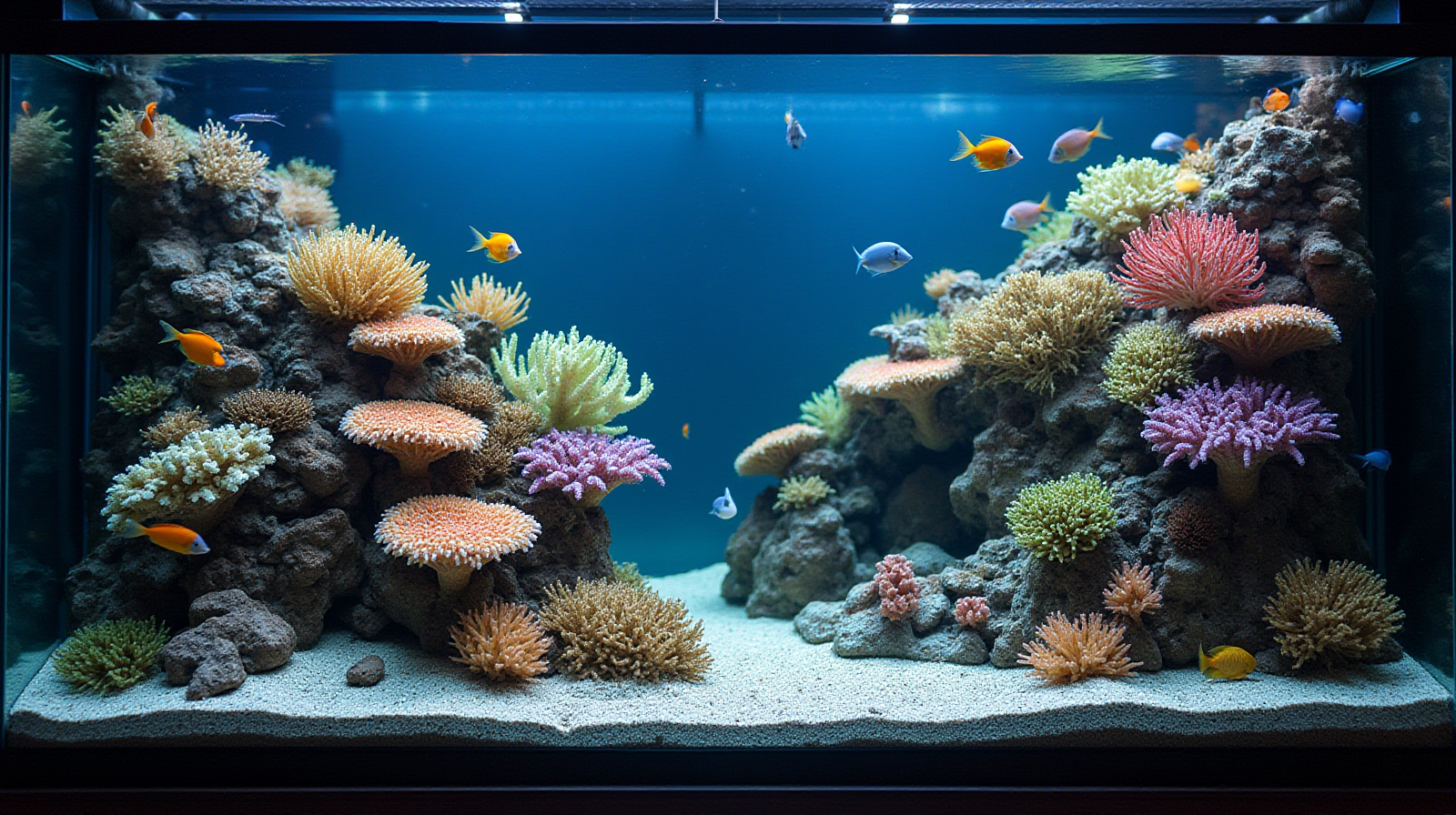
What We Learned From Reef Tank Talk (No Podcast Required)
Written by Diamond Dave — September 27, 2026
A rundown of the big takeaways from years of reefkeeping advice for your home setup.
The newsletter for established saltwater keepers who want to skip wading through hours of expert audio.
The Big Picture: What Really Matters in Reefs
If you spend enough time listening to reef talk—whether it’s on a podcast or just chatting with folks at a local fish store—you start to hear a lot of conflicting opinions on specific gear, lighting brands, and “must-have” additives. It can get overwhelming fast. What I’ve learned over the years in my own tanks is that while those debates are interesting, they aren’t what keeps your corals alive. The real foundation of a successful reef isn’t a specific brand of pump; it’s stability and an understanding of how water moves through your system. You want to create an environment where the chemistry doesn’t swing wildly from day to day. When you focus on consistent filtration, steady parameters, and reliable flow, most of those high-level “pro” debates become much less intimidating because your tank isn’t fighting against itself every week.
Flow and Water Movement—Don’t Skimp Here.

One thing I can tell you from experience is that water movement is often the most overlooked part of a home reef setup until something goes wrong. It’s not just about making sure the water moves; it’s about creating varied flow patterns. In my tanks, I find that different corals have different “personalities” when it comes to current. Some like a steady push, while others prefer a pulsing movement. More importantly, good flow is what carries waste away from the coral tissues and brings fresh, oxygenated water in. If you have dead zones where debris just sits and settles, you’re asking for algae issues or bacterial blooms. You don’t need a dozen massive pumps to achieve this; you just need enough movement that every inch of your reef is getting some action. It’s about making sure the “neighborhood” stays clean by keeping everything moving.
Nitrates vs. Phosphates: Keeping Them Balanced
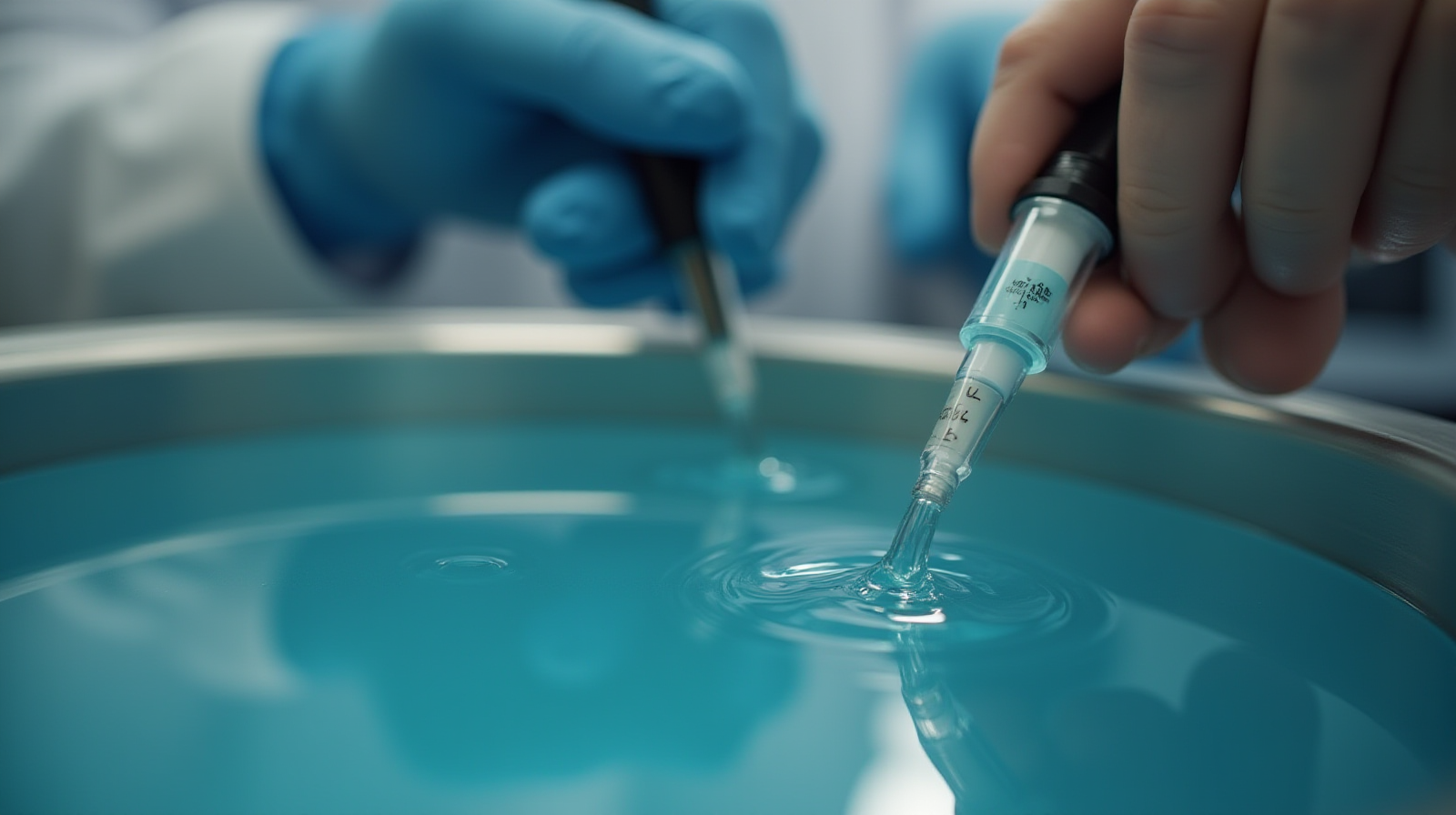
Nitrates and phosphates are the two numbers most people obsess over when they start a reef tank, and for good reason—they are the primary food sources for algae. However, it’s easy to get caught up in trying to hit “perfect” zeros or specific low numbers without understanding what those numbers actually mean for your specific livestock. Think of these as indicators rather than targets you have to hit with a magic wand. Instead of stressing over every tiny fluctuation, focus on consistency. If your levels are steady and your corals look healthy, you’re likely in the ballpark. When it comes to testing, I always recommend using reliable test kits because accuracy matters more than chasing an elusive number. Your goal is to keep these levels low enough that algae doesn’t take over, but stable enough that your fish and coral don’t have to deal with constant chemical swings.
The ‘Oh No’ Moments: Common Reef Mistakes We All Make
I’ve made plenty of mistakes in my own tanks, so I can tell you that the “oh no” moments usually come from trying to do too much at once. One of the most common ones is overfeeding; it feels like a kind gesture to give your fish a feast, but it just leads to more waste and harder water for everyone else. Another common trap is rushing the growth by buying way too much coral in one weekend. When you add a massive amount of new life at once, it can shock your system’s ability to process waste. I’ve also seen people jump into complex dosing schedules before they even had their basic filtration dialed in. It’s okay to start simple. My advice is always to get the “boring” stuff—like stable water chemistry and solid flow—perfect first before you try to fine-tune every minor detail of your reef.
Livestock Management: Don’t Buy What You Think Looks Cool.
It’s tempting to see a beautiful, rare fish in a shop window and want it for your tank immediately. However, adding livestock should be a measured process. I always suggest thinking about “compatibility” before the first sale. This means looking at things like swimming speed, temperament, and diet requirements. If you add several aggressive species at once or introduce high-bioload fish into a small system too quickly, it can cause a lot of stress for both the livestock and your water chemistry. It’s much better to start with a few hardy “foundation” fish and invertebrates that are known to do well in home systems. Once you have those established and your tank is stable, you can slowly add more unique pieces. Think of your reef as a neighborhood; you want to make sure the new neighbors get along before everyone moves in at once.
A Quick Checkup List for Your Weekend Dive

If you’re looking to spend some time on your reef this weekend without overcomplicating things, here are four simple checks I do regularly:
- Check your flow patterns: Look for “dead zones” where debris is collecting or where water seems stagnant. You can often fix these by slightly adjusting the aim of an existing pump.
- Observe your livestock behavior: Watch how your fish move and interact. Are they active? Are they eating? This tells you more about their health than a single test result ever will.
- Verify your testing accuracy: If it’s time to change your reagents or calibrate your testers, do it now. Reliable data is the only way to know if your water chemistry is actually stable.
- Clean up macro-debris: Spend some time removing any visible algae or leftover food from the rocks and substrate. Keeping the “big stuff” out makes the job of your filtration much easier.
If you want a deeper look at how to manage these variables, our Guide library has several resources on maintaining stable reef chemistry for home setups.
Source: Reefs.com
Get new newsletter issues, guides, and product updates by email.