
When Your Corals Look Sick: Bleach, Brown Spots, and Nothing Growing
Written by Diamond Dave — September 19, 2026
A practical rundown on keeping your reef parameters stable so the coral can focus on living.
The newsletter for intermediate saltwater keepers who want to stop guessing why their corals aren't thriving.
Before we panic: What are these colors telling us?
When you look into your reef tank and notice a change in color, it’s easy to jump straight to “my coral is dying.” I’ve done that many times myself early on. The first thing to do is take a breath and identify what exactly you’re seeing. Not all discoloration means the same thing. Bleaching—where a coral turns white or pale—is usually a direct stress response, like a fever. It’s the coral pushing out its symbiotic algae because something in the water or the light feels “wrong.” Browning, on the other hand, is often a sign of organic buildup, poor flow, or even a localized infection. Sometimes it’s just sitting in a pocket of stagnant water and getting dirty. Then there’s the issue of “stalled growth,” where the coral looks healthy enough but isn’t actually putting on any new tissue. This doesn’t usually mean something is dying today; it means your environment is just barely meeting its minimum requirements, so the coral is spending all its energy just staying alive instead of growing.
The Big Three Causes of Coral Trouble
To figure out how to fix a problem, you have to pin down which category of issue you’re dealing with. Each one points toward a different area of your reef maintenance:
- Bleaching: This is usually an immediate red flag regarding light intensity or temperature spikes. If the coral goes white quickly, something in the environment just became intolerable.
- Browning/Darkening: This often points to “dirty” water—specifically high levels of nitrates or phosphates, or a lack of enough water movement to clear away waste and detritus from the coral’s surface.
- Stalled Growth: This is usually an issue of balance. If your parameters are swinging wildly every day or week, the coral stays in “survival mode.” It won’t grow because it can’t find a steady baseline.
Understanding which one you’re looking at helps you decide whether you need to move a light, adjust your filter output, or start cleaning up more waste from the bottom of the tank.
What’s going wrong with your chemistry? (Light, Nutrients, Flow)
We don’t need to get bogged down in perfect decimals every day, but we do need to understand how these three factors work together. Light provides the energy; if it’s too weak, they won’t grow; if it’s too intense without enough nutrients, they bleach. Nutrients (nitrates and phosphates) are like food—too much of it causes algae blooms and makes corals look “dirty” or brown, but a total absence can make them starve. Finally, flow is the delivery system. If your water isn’t moving across the coral, waste settles on its tissue, and oxygen doesn’t reach it properly. I’ve seen many tanks where the chemistry was “perfect” on paper, but because the flow was stagnant in one corner, the corals there were struggling. You want a steady rhythm of water movement to keep everything suspended and moving through your filtration system rather than settling on your livestock.
The Stability Rule: Why ‘Perfect’ is the Enemy
One of the biggest mistakes I see people make—and I certainly made it when I started out—is chasing “perfect” numbers instead of stable ones. Corals are living organisms, not laboratory samples. They can handle a small fluctuation in alkalinity or calcium day-to-day much better than they can handle a massive swing. If your levels jump from one end of the acceptable range to the other every 48 hours because of inconsistent dosing, the coral is constantly trying to adapt. This constant “re-adjusting” is exhausting for them and will eventually lead to stunted growth or tissue loss. Your goal should be to keep things within a healthy window consistently. If your parameters stay steady in that middle zone, your corals won’t have to work so hard just to maintain their health, which gives them the energy they need to actually grow and thrive over time.
A Quick Check List When Things Go South
When you notice a change in color or behavior, don’t try to change everything at once. If you change three different things simultaneously and the coral gets better (or worse), you won’t know which one actually worked. Follow this sequence to isolate the problem:
- Check Water Movement: Is there a dead spot where the coral is sitting? Try adjusting your powerheads first; it’s the easiest fix and doesn’t involve changing chemistry.
- Observe the Surroundings: Look for algae growth or “muck” building up near the base of the coral. This points to nutrient issues or poor cleaning habits.
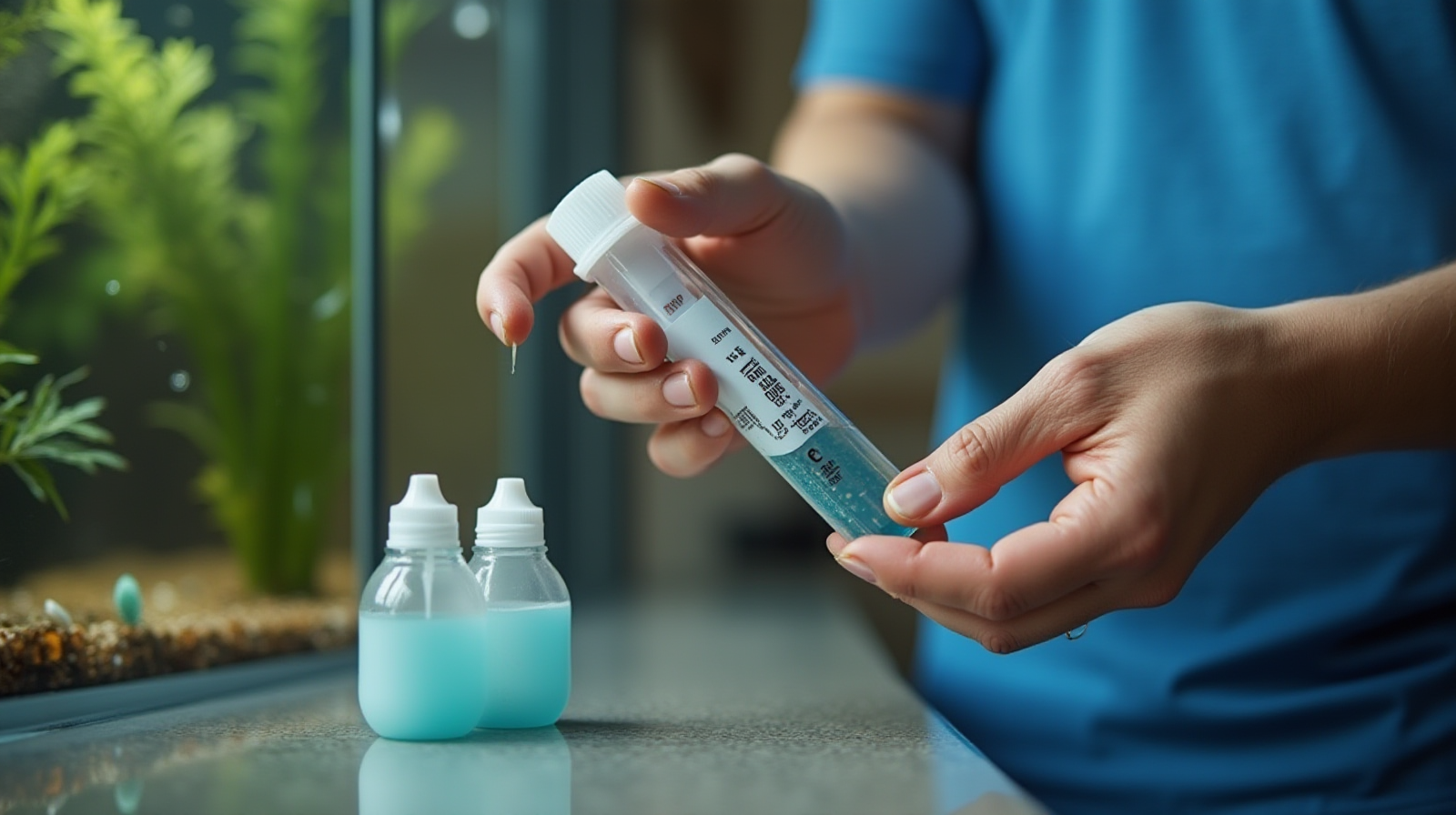
- Test Your Basics: If physical movement and cleanliness are fine, check your primary levels: Alkalinity (dKH), Calcium, and Magnesium.
- Check Temperature Stability: Ensure you don’t have a “hot spot” near a light or a “cold spot” near a return pump.
| Symptom | Likely Culprit | First Step |
|---|---|---|
| Sudden Bleaching | Light/Temp Spike | Check bulbs and heater stability |
| Browning Tissue | Detritus/Nutrients | Increase flow; check nitrate levels |
| No Growth | Instability | Stabilize dosing schedule for consistency |
Source: AquaticRig
Get new newsletter issues, guides, and product updates by email.